
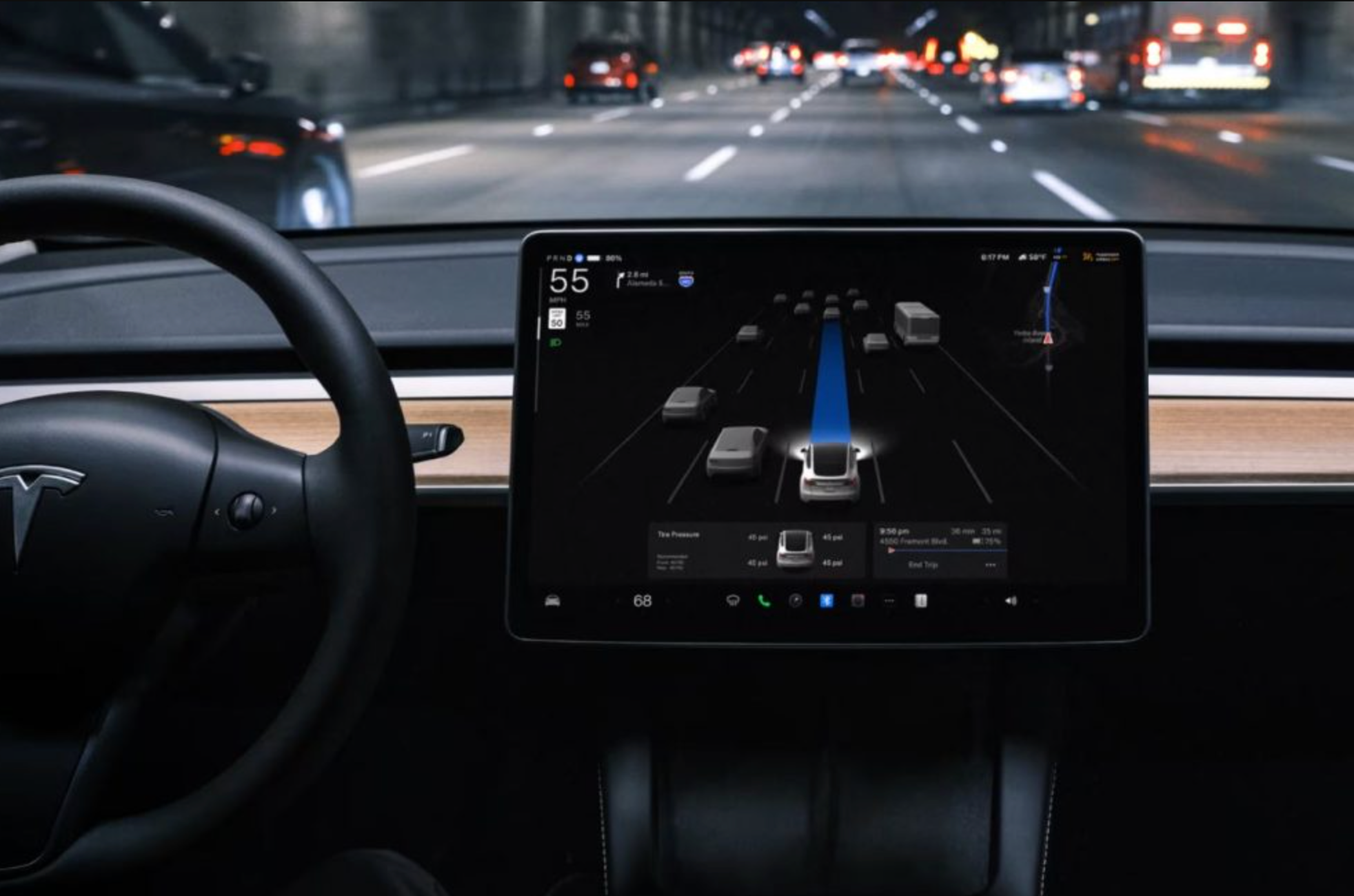

Imaginez payer des milliers de dollars pour une fonctionnalité censée rendre votre voiture entièrement autonome, pour découvrir des années plus tard que le contrat a été discrètement modifié afin de réduire les attentes. « Tesla a rétroactivement mis à jour mes documents de 2019, l'année où j'ai payé pour la FSD », a récemment révélé un propriétaire frustré.

Pendant des années, Tesla a vendu son pack de « Full Self-Driving » (conduite entièrement autonome) avec la promesse d'une véritable autonomie. Mais voici ce que Tesla ne veut pas que vous sachiez : votre matériel plus ancien pourrait ne jamais y parvenir, et l'entreprise a déjà modifié la documentation pour refléter cette réalité.

⚡ Réponse rapide
La modification du contrat
Tesla a ajouté rétroactivement le terme « supervisée » aux contrats d'achat de la FSD de 2016 à 2024, modifiant ainsi les attentes juridiques liées à cette fonctionnalité.
Limites matérielles
Elon Musk a confirmé que les anciens véhicules équipés du matériel HW3 manquent de puissance de traitement pour atteindre un jour une véritable autonomie sans surveillance.
Performances actuelles
Les récentes mises à jour (v14.3) laissent de nombreux propriétaires frustrés par des virages manqués, des hésitations et des problèmes de freinage soudain.
Retombées juridiques
Tesla fait face à une multiplication des poursuites judiciaires concernant ses arguments marketing et les accidents mortels impliquant sa technologie d'assistance à la conduite.
La communauté Tesla est actuellement aux prises avec une révélation importante concernant le logiciel de « Full Self-Driving » (FSD). Des rapports récents indiquent que Tesla modifie discrètement les contrats d'achat historiques, une manœuvre qui a suscité une vive inquiétude parmi les premiers utilisateurs ayant investi massivement sur la base des promesses initiales.
Voici ce que vous devez savoir. Le fossé entre les promesses marketing de Tesla et les capacités réelles des véhicules plus anciens ne cesse de se creuser, et le langage juridique évolue pour protéger l'entreprise. Sans détours.
Les mises à jour silencieuses des contrats
Un changement de terminologie
Plusieurs propriétaires de Tesla ont récemment découvert que leurs contrats d'achat FSD initiaux, signés entre 2016 et début 2024, avaient été modifiés. Le changement critique consiste en l'ajout du mot « supervisée » à la terminologie FSD. Cette modification, subtile mais significative, change la prémisse fondamentale de ce qui a été vendu : on passe d'une promesse d'autonomie totale éventuelle à un système qui exige explicitement une surveillance humaine constante.
Citation d'un propriétaire : « Tesla a rétroactivement mis à jour mes documents de 2019, l'année où j'ai payé pour la FSD. En 2019, le contrat d'achat Tesla ne contenait pas le terme "supervisée". Je ne peux même plus ouvrir le document, car il renvoie vers une page invalide. » — Oliver Abcarius, via Electrek
Ce changement n'est pas seulement sémantique ; c'est un bouclier juridique. En ajoutant « supervisée », Tesla aligne ses anciens contrats avec sa réalité actuelle, atténuant potentiellement sa responsabilité à mesure que les propriétaires réalisent que leurs voitures pourraient ne jamais conduire toutes seules pendant qu'ils dorment, comme cela avait été célèbrement suggéré par le passé.
Les limites matérielles révélées
Les modifications contractuelles coïncident avec un aveu lucide du PDG Elon Musk. Lors d'une conférence téléphonique sur les résultats en avril 2026, Musk a confirmé ce que de nombreux experts techniques soupçonnaient depuis longtemps : les anciens modèles Tesla équipés du matériel « Hardware 3 » (HW3) ne seront jamais capables d'une conduite entièrement autonome sans surveillance.
Hardware 3 (Avant 2023/2024)
- Vendu avec des promesses d'autonomie totale
- Puissance de traitement limitée
- Incapable d'atteindre la FSD sans surveillance
- Propriétaires confrontés à des perspectives de mise à niveau incertaines
Hardware 4 (Modèles actuels)
- 8 fois plus de bande passante mémoire que le HW3
- Caméras à plus haute résolution
- Cœur du développement FSD actuel
- Mieux positionné pour les objectifs d'autonomie futurs
Frustrations liées aux performances réelles
Au-delà des questions juridiques et matérielles, la facilité d'utilisation au quotidien reste un point sensible important. Les récentes discussions sur le subreddit r/TeslaFSD soulignent une frustration croissante concernant les dernières itérations logicielles, en particulier les versions 14.3.2 et 14.3.3.
Citation d'un propriétaire : « Je suis maintenant sur la 14.3.2 et je dois dire… elle donne l'impression d'avoir un peu régressé. Elle pile sur les freins pour rien, et sur l'autoroute à vitesse normale, elle a mis le clignotant et s'est déportée sur l'accotement avant de revenir sans aucune raison. » — Utilisateur Reddit u/no_baseball1919, juin 2026
Plaintes courantes sur la FSD v14.3
Les propriétaires signalent que le système manque fréquemment les virages ou tente des manœuvres dangereuses, comme quitter une bretelle d'autoroute pour y retourner immédiatement.
Échecs de navigation
La logique de navigation sous-jacente est fortement critiquée, les voitures tentant d'emprunter des chemins de terre ou de faire inutilement le tour de bâtiments commerciaux.
Hésitation et freinage fantôme
Le système continue de manquer d'assurance, hésitant souvent aux intersections ou freinant soudainement devant des obstacles inexistants.
Devriez-vous investir dans la FSD aujourd'hui ?
✓ À envisager si...
- Vous achetez un nouveau véhicule avec HW4
- Vous le voyez comme une aide à la conduite avancée, pas comme une autonomie totale
- Vous êtes à l'aise pour reprendre le contrôle instantanément
- Vous aimez tester des logiciels bêta de pointe
- Le prix actuel correspond à votre budget
✓ À éviter si...
- Vous achetez une Tesla d'occasion équipée du HW3
- Vous attendez de la voiture qu'elle conduise pendant que vous dormez
- Vous vous frustrez facilement face aux freinages imprévisibles
- Vous conduisez principalement dans des zones urbaines complexes et imprévisibles
- Les changements de conditions juridiques vous préoccupent
En résumé
Les changements contractuels silencieux de Tesla reflètent une réalité brutale : l'ère des promesses d'autonomie sans surveillance pour les anciens modèles est révolue.
Pour les propriétaires actuels de HW3, la révélation que leurs véhicules n'atteindront jamais l'autonomie pour laquelle ils ont payé est une pilule difficile à avaler, aggravée par des modifications de contrat rétroactives conçues pour limiter la responsabilité de Tesla. Bien que le logiciel reste une merveille d'ingénierie, il s'agit bel et bien d'un système « supervisé ».
Si vous envisagez la FSD aujourd'hui, faites-le en connaissance de cause. Il s'agit d'une fonctionnalité d'assistance à la conduite impressionnante qui nécessite une vigilance constante, et non d'un chauffeur robotisé. Et comme l'histoire le montre, les conditions de votre achat pourraient bien changer après coup.
Dernière mise à jour : 8 juin 2026


Partager:
Application Tesla 4.57.5 : Modifications et ajouts
JPMorgan met fin à une décennie de pessimisme sur Tesla