
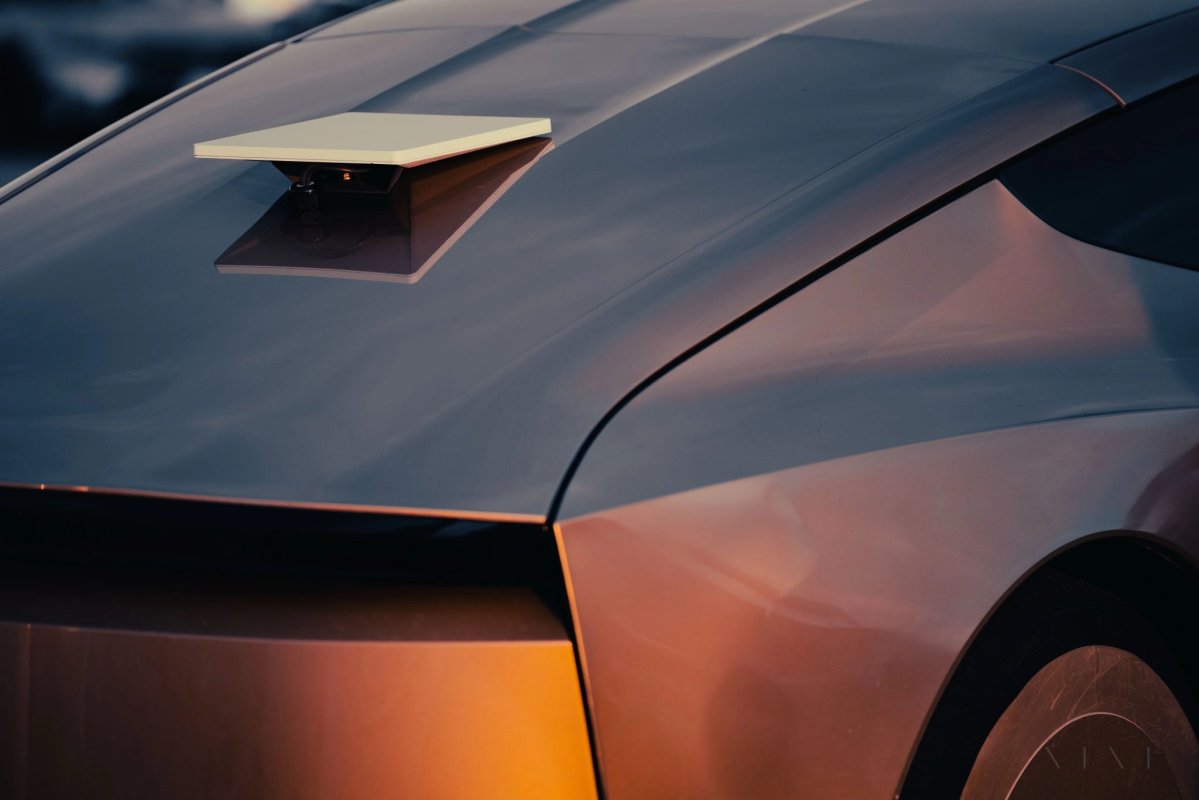

Un Tesla Cybercab a été aperçu en phase de test sur la voie publique, équipé de ce qui semble être une antenne Starlink Mini. Des photos haute résolution partagées sur X par Adan Guajardo (@AdanGuajardo) montrent le terminal satellite portable monté sur le hayon arrière du véhicule.
Cette observation s'inscrit dans la lignée de la récente accélération de Tesla concernant son programme autonome. L'entreprise a officiellement lancé la production de masse du Cybercab à la Gigafactory Texas le mois dernier, et des flottes entières du véhicule sont déjà en cours de préparation pour leur déploiement. L'utilisation de Starlink indique que Tesla explore des solutions de connectivité au-delà du réseau cellulaire standard pour sa future flotte de Robotaxis, du moins durant la phase de test.
Une connectivité fiable pour l'assistance à distance
Tesla a déjà équipé ses véhicules de test autonomes de matériel supplémentaire. Le projet Halo impliquait des Model Y modifiés pour les opérations de Robotaxi, incluant des modules de connectivité secondaires destinés à offrir une liaison plus fiable et ininterrompue avec l'équipe d'assistance à distance de Tesla.

En utilisant Starlink — la constellation de satellites en orbite terrestre basse de SpaceX — Tesla peut maintenir le Cybercab connecté même dans les zones blanches cellulaires. Cela est particulièrement important pour un véhicule conçu sans volant ni pédales. Si le véhicule rencontre une situation qu'il ne peut gérer, une connexion à haut débit et à faible latence permet à un superviseur humain à distance de visualiser les caméras de la voiture et de fournir des conseils en temps réel. Tesla utilise déjà Starlink pour la connectivité de son réseau de Superchargeurs, et des rumeurs persistantes suggèrent que le service Internet par satellite remplacera la connexion cellulaire standard sur les véhicules Tesla. Qui aurait cru que le Cybercab serait le premier à en bénéficier ?
Données plus rapides et déploiement mondial
Au-delà de l'assistance à distance, un Cybercab équipé de Starlink pourrait accélérer le développement. L'Internet par satellite haut débit permet au véhicule de transférer de gros volumes de données de conduite vers les serveurs de Tesla beaucoup plus rapidement qu'une liaison LTE ou 5G classique. Ces données sont cruciales pour entraîner les modèles d'IA qui alimentent le système Full Self-Driving (FSD), alors que l'entreprise se prépare à lancer un service sans supervision dans davantage de villes.


Starlink offre également une voie vers un déploiement mondial. Comme le service assure une connectivité presque partout sur Terre — des centres urbains aux fermes rurales utilisant des colliers connectés pour le bétail — il pourrait soutenir les robotaxis de Tesla dans des régions aux infrastructures plus limitées. Cette synergie entre les entreprises d'Elon Musk crée un avantage concurrentiel majeur face aux rivaux autonomes qui dépendent des fournisseurs de télécommunications locaux.
L'avenir du Cybercab
Alors que la production s'accélère et que les tests se multiplient, le Cybercab passe du stade de concept à celui de réalité. Bien que Tesla ait confirmé qu'il pourrait ajouter des commandes traditionnelles si la législation locale l'exigeait, l'intégration de Starlink souligne les tests effectués pour un avenir "sans intervention humaine", où le véhicule reste connecté à un réseau à haut débit.
Que ce soit pour l'opération à distance, des mises à jour logicielles plus rapides ou un suivi de positionnement plus précis, Starlink constitue l'épine dorsale d'une flotte destinée à fonctionner 24h/24 et 7j/7. Avec le Cybercab déjà présent sur les routes publiques, cette couche de connectivité supplémentaire marque une étape de plus vers la transformation du réseau Robotaxi en service de transport le plus fiable au monde.




Partager:
La version 14.3 du FSD de Tesla se gare désormais lorsque vous êtes distrait [VIDÉO]
Le nouveau brevet de Tesla explique la conduite humaine du FSD V14 et la magie derrière la version v14-Lite