
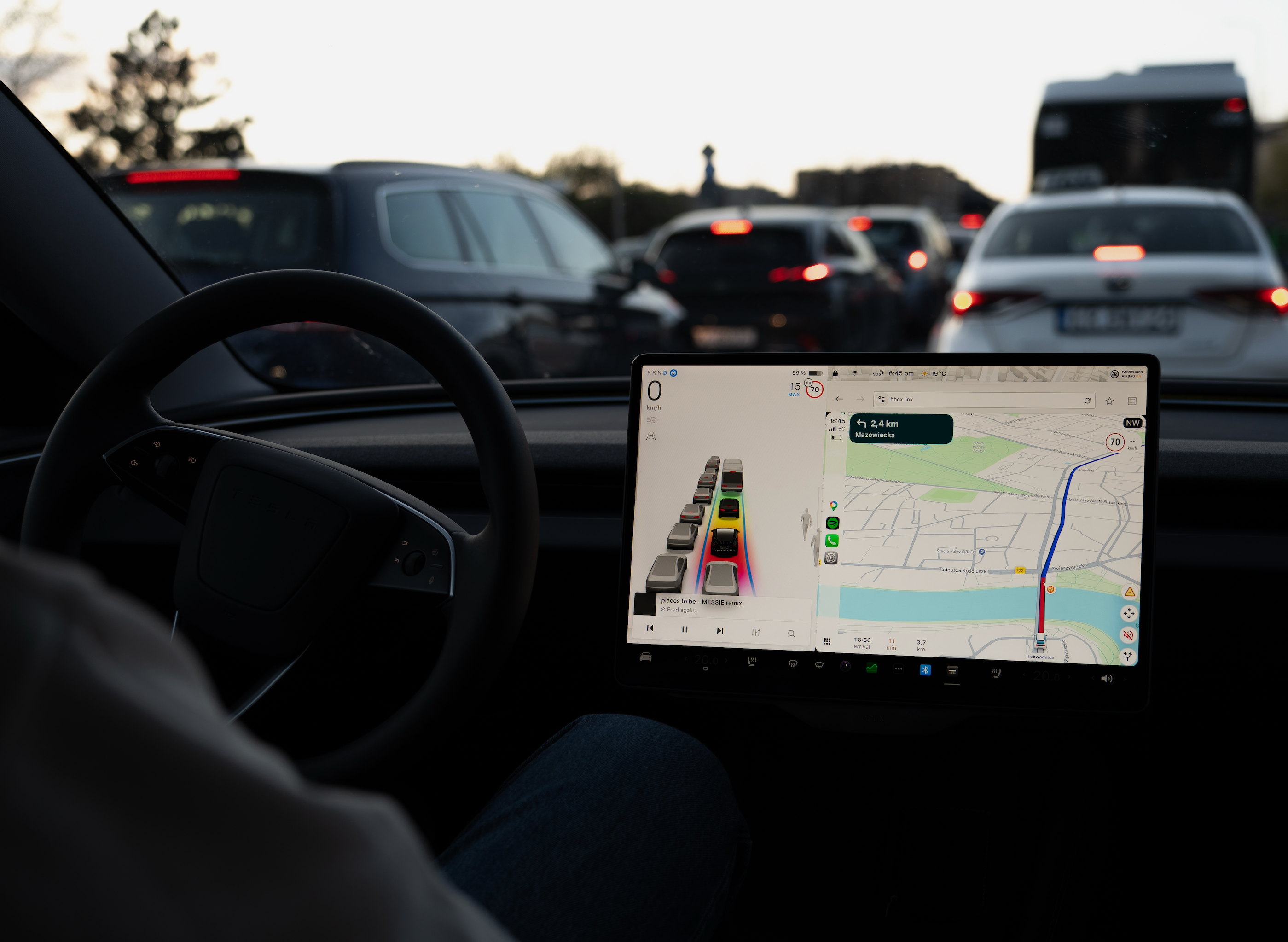

Vous avez dépensé des milliers d'euros pour la Conduite Entièrement Autonome (FSD), en espérant que votre Tesla gérerait votre trajet quotidien sans effort, pour finalement constater que la dernière mise à jour a transformé votre conduite en une lutte frustrante pour garder le contrôle. « J'avais un IMMENSE respect pour Tesla et le FSD jusqu'à maintenant... »
La mise à jour FSD 14.3.2, très attendue, a été déployée en mai dernier, promettant une navigation plus fluide et une prise de décision plus intelligente. Mais voici ce que Tesla ne veut pas que vous sachiez : la mise à jour casse fondamentalement les fonctions de conduite de base pour des milliers de propriétaires, provoquant de graves problèmes de sécurité sur la route.
⚡ Réponse rapide
Que se passe-t-il ?
Le FSD 14.3.2 cause de graves problèmes de changement de voie, ignore les clignotants manuels et échoue sur des itinéraires de navigation basiques.
Qui est concerné ?
Principalement les propriétaires de Model 3 et Model Y utilisant la dernière mise à jour logicielle 14.3.2 déployée en mai 2026.
Le danger principal
Un comportement imprévisible lors des changements de voie et l'ignorance des interventions du conducteur peuvent mener à des situations dangereuses dans un trafic dense.
Que devez-vous faire ?
Envisagez de désactiver le FSD dans les scénarios de trafic complexe jusqu'à ce que Tesla publie un correctif pour ces bugs critiques.
Pendant des années, les propriétaires de Tesla ont été les bêta-testeurs de l'avenir de la conduite autonome. Nous avons accepté les bizarreries, le freinage fantôme et les itinéraires parfois étranges parce que la trajectoire globale était toujours en amélioration. Le FSD 12 représentait un bond en avant massif, et les attentes pour la version 14 étaient très élevées.
Voici ce que vous devez savoir. La réalité du FSD 14.3.2 est une régression flagrante. Au lieu d'une avancée, des milliers de propriétaires signalent que leurs voitures sont désormais moins capables et plus frustrantes à conduire qu'il y a quelques mois. Sans détour.
Les problèmes fondamentaux du FSD 14.3.2
Le cauchemar des changements de voie
Témoignage réel d'un propriétaire : « Le FSD Tesla 14.3.2 a complètement cassé la capacité à changer de voie sur les Model 3 2026 (toutes variantes), en utilisant le clignotant. Il n'y a pas une seule fois où cela fonctionne correctement. » — Utilisateur Reddit, r/TeslaFSD, mai 2026
Le problème le plus frappant rapporté par la communauté Tesla est l'échec complet du système de changement de voie. Auparavant, si vous étiez en FSD et que vous vouliez changer de voie manuellement, il suffisait d'actionner le levier, et la voiture effectuait la manœuvre lorsque c'était sûr. Désormais, le système ignore fréquemment les commandes de clignotants manuels. Lorsqu'il tente un changement de voie, il est souvent hésitant, saccadé ou abandonne en plein milieu, laissant les conducteurs coincés entre deux voies.
Ce n'est pas juste un désagrément ; c'est un risque de sécurité majeur. Lorsqu'un conducteur signale son intention, il s'attend à ce que le véhicule réponde. L'échec de cette action force le conducteur à reprendre le contrôle de manière agressive, ce qui entraîne souvent un désengagement brutal qui peut surprendre le conducteur ainsi que le trafic environnant.

Échecs de la navigation et du guidage
Témoignage réel d'un propriétaire : « Ignore les clignotants : la voiture ignore fréquemment mes commandes manuelles de clignotants. Échecs de navigation : elle a suivi la navigation mais est restée sur la voie de virage à gauche et a manqué complètement la sortie. » — Utilisateur Reddit, r/TeslaFSD, mai 2026
Au-delà des changements de voie, le FSD 14.3.2 peine avec une navigation basique. Les propriétaires signalent que le système se perd dans des intersections complexes, restant sur des voies réservées aux virages alors qu'il doit aller tout droit, et manquant totalement des sorties d'autoroute alors que le trajet de navigation indiquait clairement la bonne route. C'est comme si la conscience spatiale du réseau neuronal avait fait un grand pas en arrière.
Versions FSD précédentes
- Réactif aux clignotants manuels
- Positionnement sur voie généralement fiable
- Sorties d'autoroute prévisibles
- Changements de voie fluides et confiants
Réalité du FSD 14.3.2
- Ignore les commandes manuelles du conducteur
- Reste coincé sur les mauvaises voies
- Manque des points de navigation clairs
- Manœuvres hésitantes et saccadées
Le facteur frustration
Ce qui rend cette situation particulièrement frustrante pour la communauté Tesla, c'est le sentiment de régression. De nombreux propriétaires ont payé jusqu'à 15 000 $ pour la capacité FSD, ou paient un abonnement mensuel élevé. Lorsqu'une mise à jour dégrade activement l'expérience de conduite, cela engendre du ressentiment. Les alertes constantes combinées à un système qui refuse d'obéir aux commandes du conducteur créent un environnement hautement stressant à l'intérieur de l'habitacle.
L'ironie de l'abonnement
Au moment même où ces bugs massifs tourmentent les utilisateurs, Tesla fait pression pour étendre ses abonnements FSD à l'échelle mondiale, ayant récemment introduit le service sur le marché britannique et offrant des essais gratuits de 3 mois via des codes de parrainage.
Le décalage
Il existe un décalage croissant entre la commercialisation du FSD par Tesla comme une solution autonome presque complète et la réalité des propriétaires qui se débattent avec une mise à jour 14.3.2 pleine de bugs lors de leurs trajets matinaux.
Le silence radio
Pour l'instant, Tesla n'a pas officiellement reconnu les bugs spécifiques de changement de voie et de navigation dans la version 14.3.2, laissant les propriétaires se demander si une correction arrivera dans quelques jours ou dans quelques mois.
Comment gérer le FSD 14.3.2 dès maintenant
✓ Quand désactiver le FSD
- Trafic autoroutier dense et rapide
- Intersections complexes à plusieurs voies
- Zones nécessitant des changements de voie fréquents
- Lorsque vous avez des passagers anxieux
- Si vous comptez beaucoup sur les commandes manuelles
✓ Façons sûres de l'utiliser
- Croisière sur voie unique, tout droit
- Trafic en accordéon (avec prudence)
- Itinéraires de quartier simples et familiers
- Gardez les mains fermement sur le volant
- Soyez prêt à désengager instantanément
Conclusion
Le FSD 14.3.2 est un retour en arrière frustrant pour le programme de conduite autonome de Tesla, transformant ce qui devrait être un trajet relaxant en un travail de surveillance stressant.
En attendant que Tesla publie un correctif traitant les graves échecs de logique de changement de voie et de navigation, les propriétaires doivent être hyper-vigilants. Le refus actuel du système d'accepter les commandes manuelles via le levier n'est pas seulement une nuisance ; c'est un défaut fondamental qui compromet la sécurité et la prévisibilité du véhicule.
Bien que la trajectoire à long terme de l'approche par réseau neuronal de Tesla puisse rester positive, la version 14.3.2 nous rappelle brutalement que nous sommes encore en phase de bêta-test. Conduisez prudemment, gardez les mains sur le volant et n'hésitez pas à désengager le système lorsque la voiture hésite.
Dernière mise à jour : 18 mai 2026


Partager:
Tesla relance le concept d'essuie-glace laser avec une mise à jour de brevet
Interface utilisateur à deux écrans du Tesla Semi : en quoi elle est différente