
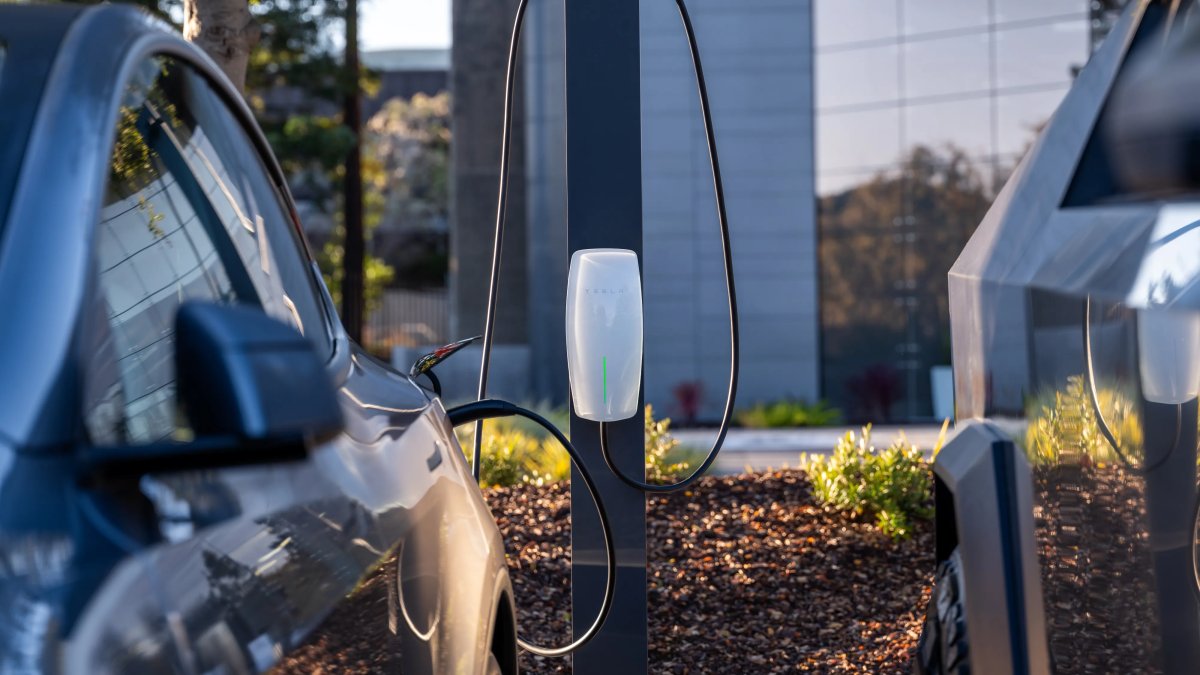
Canada Invests $10.9M CAD in EV Chargers and Education

Canada is broadening access to zero-emission transportation with a new round of federal funding aimed at public charging networks and education to ease the transition to battery-electric ownership across the country.
The federal government announced $10.9 million CAD to support 22 electric vehicle infrastructure and education projects nationwide, according to a press release from Environment and Climate Change Canada.
Of the total, $9 million will go toward installing nearly 400 chargers through 9 projects under the Zero Emission Vehicle Infrastructure Program. The remaining $2 million will fund 13 education and awareness initiatives to increase public familiarity with charging as EVs become more affordable and practical in Canada.
Expanding Charging Access and Grid Capabilities
Since 2016, Canada has invested over $1.2 billion to support electric vehicle charging networks and hydrogen refueling stations, leveraging a power grid where approximately 80% of electricity is generated from clean sources.
In British Columbia, public charging has already grown to over 8,900 public ports, an 87% increase since 2023.
The latest funding places particular emphasis on overcoming charging barriers in multi-family residential buildings, where residents without private driveways often face installation challenges.

Highlighting the economic benefits for drivers, Travis Allan, President and Chief Executive Officer of the Canadian Charging Infrastructure Council, stated:
“Driving electric can save a Canadian household between $23,000 and $32,000 over 10 years, but for the nearly one in three Canadian families who live in condominiums, stratas, and apartments, those savings can be out of reach. Every day, condo boards, property managers, and landlords ask our members the same question: What do we do when a resident wants to install electric vehicle charging? This guide, funded by the Government of Canada, will give them clear, practical answers, and help ensure the benefits of low-cost electric driving reach every Canadian, not just those with a driveway. We thank Minister Dabrusin and the Government of Canada for this important investment.”
Strengthening Regional Energy Systems
EV charging expansion aligns with broader efforts to modernize Canada’s electricity system. Just last week, Natural Resources Canada provided $5.9 million to the PEI Energy Corporation for the Prince Edward Island–New Brunswick Interconnection Expansion Project, which will install two new 200-megawatt submarine cables and upgrade regional transmission lines.
Julie Dabrusin, Canada’s Minister of the Environment, Climate Change and Nature, highlighted the broader goals of the Auto Strategy:
“We’re investing in more electric vehicle chargers across the country, making it even easier for Canadians to get to where they live, work, and play. Together with our Auto Strategy, we’re creating good jobs, strengthening Canada’s economy, and building a strong and climate-competitive future.”
As charging expands into multi-unit housing and fleet hubs, building reliable infrastructure across every province will make clean electric transportation a practical option for more drivers.















Partager:
NHTSA Investigates 1.2M Tesla Vehicles Over Suspension Failure Risks
Tesla Model X Splits in Two After Seattle-Area Crash