
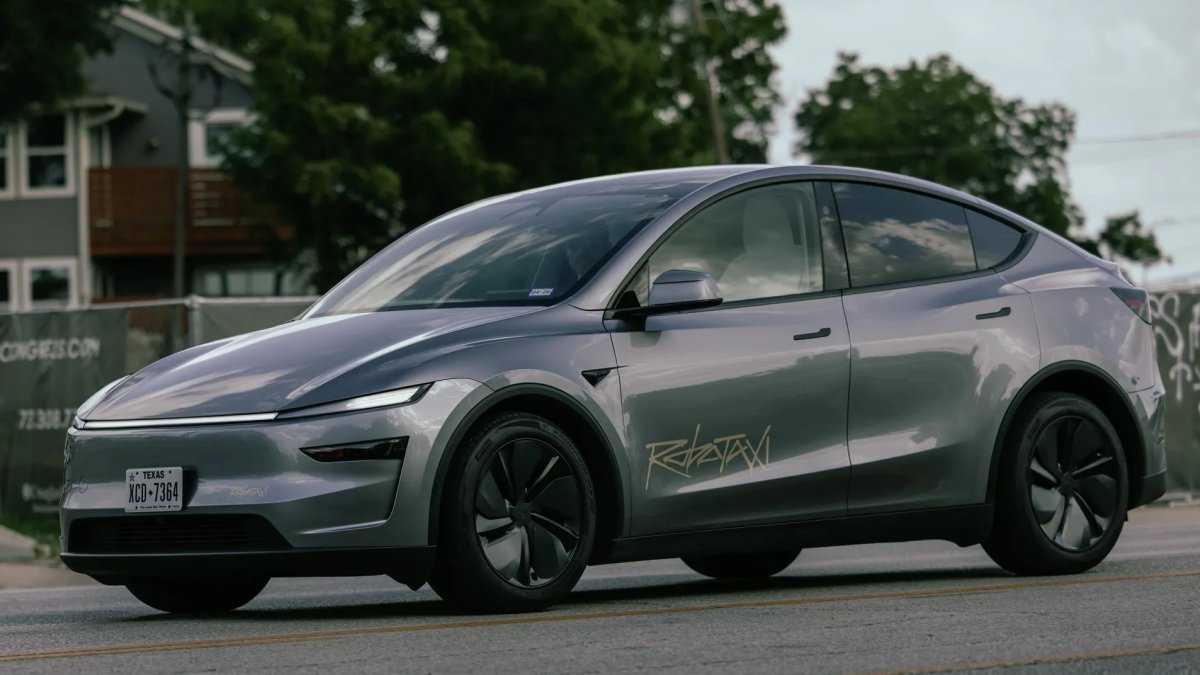
NHTSA ADS crash reports reveal differences among robotaxi operators

Under a Standing General Order from the National Highway Traffic Safety Administration (NHTSA), companies testing or deploying Automated Driving Systems (ADS) on public roads must report crash data. The latest publicly available incident reports provide insight into both how these vehicles are involved in crashes and how companies disclose details.
Comparing Tesla’s data with competitors such as Waymo and Zoox shows marked differences in fleet exposure, the types of collisions, and the extent of public reporting.
The incident volume
The dataset lists 825 total reported ADS incidents. Waymo accounts for 697 crashes, followed by Avride (41), Zoox (32), and Tesla (18).
Context matters: Waymo operates a large, fully autonomous robotaxi fleet that drives millions of miles in dense urban areas including San Francisco, Phoenix, and Los Angeles. Its higher incident count reflects extensive exposure in complex environments. Tesla’s 18 incidents in this ADS reporting category reflect a much smaller and slower-than-expected rollout of Robotaxi.
Incidents involving FSD (Supervised) are excluded because they arise from an L2+ system overseen by consumers, not an unsupervised L4 Autonomous Vehicle.
What AVs collide with most
NHTSA’s data categorizes collision partners, highlighting the different challenges these systems encounter.
Given its heavy urban presence, Waymo most often interacts with standard city traffic: 229 collisions with passenger cars, 161 with SUVs, and dozens involving heavy trucks and city buses.
Among Tesla’s 18 reported crashes, the most frequent counterpart was an “Other Fixed Object” (five incidents), followed by four collisions with SUVs. Tesla also reported single incidents involving a cyclist, an animal, and a bus.
Injuries and engagement
The vast majority of reported ADS incidents resulted only in property damage.
For Tesla, 16 of 18 incidents involved no injuries. Two incidents included injuries: one minor injury requiring hospitalization and one minor injury without hospitalization. NHTSA also tracks whether the autonomous system was active at the time; for all 18 Tesla crashes, the status was “Verified Engaged.”
Waymo’s larger sample shows more variance: of 697 incidents, 613 resulted in property damage only, 23 involved injuries requiring hospitalization, 51 involved minor injuries without a hospital visit, and there was one reported fatality.
Tesla’s transparency gap
NHTSA’s reports include a Narrative section where companies can explain how a crash occurred.
Waymo and Zoox often provide detailed, multi-paragraph narratives describing complex lane changes, intersection behavior, the specific actions of human drivers in other vehicles, and whether passengers were wearing seatbelts.
Tesla, by contrast, fully redacts its narratives. Each Tesla entry is replaced with the boilerplate: [REDACTED, MAY CONTAIN CONFIDENTIAL BUSINESS INFORMATION].
By withholding specifics, the public cannot determine what happened in those 18 incidents, in contrast with the fuller accounts provided by some competitors.



Teilen:
Tesla Begins Building the First Robotaxi-Only Charging Hubs
Tesla Cybercabs Without Steering Wheels Spotted at Giga Texas