
Tesla markierte den Abschluss eines Kapitels in seinem Werk in Fremont mit der Auslieferung der letzten Fahrzeuge des Model S und Model X. Elon Musk, Franz und weitere Teammitglieder reflektierten darüber, wie diese Flaggschiffe das Unternehmen und die gesamte Automobilindustrie neu geprägt haben.
Die Versammlung ließ Revue passieren, wie das Model S mit dem Vorurteil aufräumte, Elektroautos seien langsame, zweckmäßige „Golfwagen“. Es bewies, dass ein Elektroauto ein kompromissloses Fahrzeug sein kann – und sogar das beste Auto auf der Straße.
Branchenneuheiten
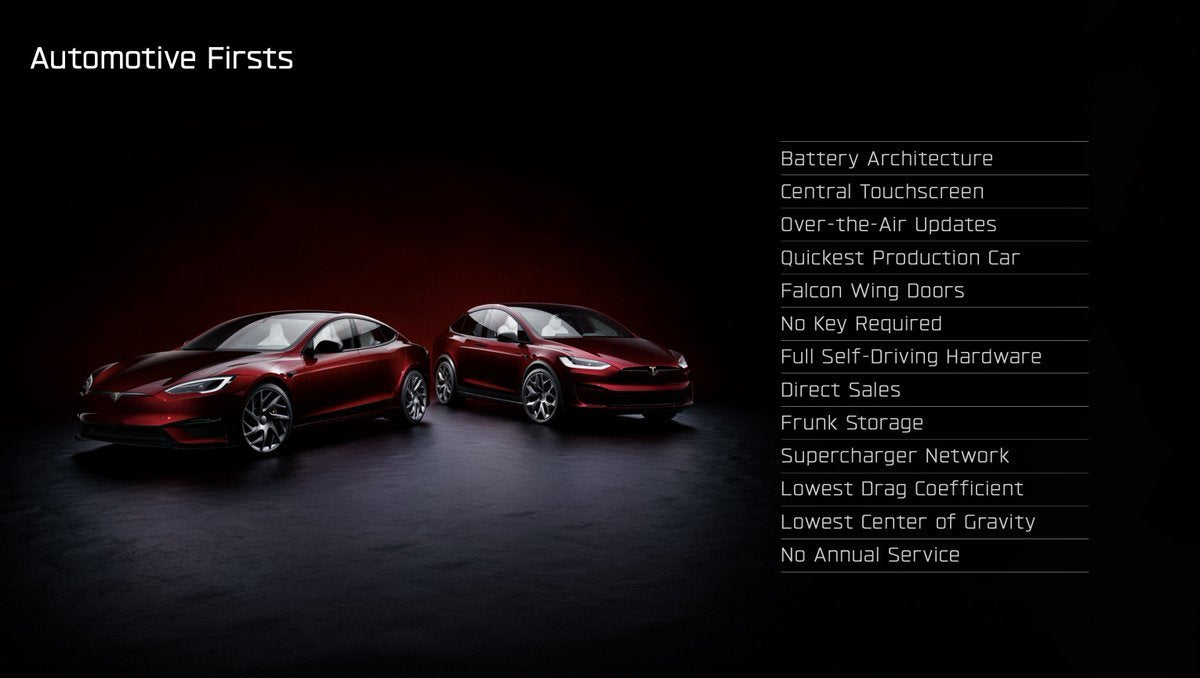
Das Unternehmen blickte auf zahlreiche Branchenneuheiten zurück. Das Model S wurde das erste Elektroauto mit einer Reichweite von 400 Meilen. Es war das erste Serienauto, das in weniger als 2 Sekunden von 0 auf 60 mph beschleunigte, und die erste Serienlimousine, die eine Viertelmeile in 9,23 Sekunden zurücklegte.
Die Dachfestigkeit war so hoch, dass sie die Testmaschine der NHTSA beschädigte.
Auch das Model X setzte Maßstäbe: Es wurde zum schnellsten Serien-SUV und zum ersten, das bei behördlichen Tests nicht umkippte.
Laut Tesla verwenden das aktuelle Model S und Model X 40 % weniger Teile als die frühesten Versionen, und trotz ihres vertrauten Aussehens teilen sie heute nur noch 3 % ihrer ursprünglichen Komponenten.
Model S & X haben die Automobilgeschichte für immer verändert, indem sie bewiesen haben, dass ein Elektroauto das bestmögliche Auto überhaupt sein kann – jeder Art.
— Tesla (@Tesla) 21. Mai 2026
Indem sie andere Autohersteller dazu inspirierten, an Elektroautos zu glauben, verhalfen sie der Branche zu einem Wachstum von insgesamt 50.000 Autos im Jahr 2011 auf 21 Millionen verkaufte Einheiten pro Jahr.
Viele automobiler Premieren:
Model S… pic.twitter.com/F5iPkPMhmN
Mit Liebe in einem Zelt entworfen
Die Redner erinnerten an die bescheidenen Anfänge des Autos, das die Marke definierte. Das ursprüngliche Model S wurde von einer kleinen Gruppe geformt, die in einem Zelt hinter einer SpaceX-Anlage arbeitete und ein Tonmodell hin- und herschob, um dessen Form bei unterschiedlichem Licht zu beurteilen.
— Elon Musk (@elonmusk) 21. Mai 2026
Während Lotus einen Großteil des ursprünglichen Roadsters fertigte, war das Model S das erste Fahrzeug, das Tesla von Grund auf neu entwickelte. Das Leitprinzip des Teams war es, genau das zu bauen, was sie selbst fahren wollten: Reichweite, Geschwindigkeit, Handling, Luxus und Luftfederung.
Das 2012er Model S führte einen 17-Zoll-Touchscreen ein und war Vorreiter bei Over-the-Air-Software-Updates, sodass das Auto nach der Auslieferung noch besser werden konnte. Viele Fahrzeuge der 2012 Founder Series sind noch heute auf der Straße; Elon und Lars erzählten, dass sie ihre eigenen Autos der Founder Series zur Veranstaltung gefahren haben.
Das Unmögliche möglich gemacht
Zum Zeitpunkt der Markteinführung galt ein langstreckentaugliches Elektroauto weithin als unmöglich. Damals floss der Großteil der weltweiten Lithium-Ionen-Produktion in Telefone, doch um das Model S zum Leben zu erwecken, war das 80-fache dieses weltweiten Angebots erforderlich.
Die Wette ging auf. Das Model S wurde später von Motor Trend zum besten jemals gebauten Auto gekürt. Das Model X folgte – ein Projekt, das von Elon und dem Ingenieursteam als ein Akt des Hochmuts und als das „Fabergé-Ei“ der Modellpalette beschrieben wurde.

Die Führungskräfte schrieben den Erfolg dieser Flaggschiffe der Sorgfalt zu, die in jedes Detail gesteckt wurde, einschließlich verborgener Elemente, die Besitzer niemals zu Gesicht bekommen würden. Dieser obsessive Ansatz trug dazu bei, die Verbreitung von Elektrofahrzeugen um das 270-fache zu steigern und den gesamten Marktanteil von Elektroautos von 0,1 Prozent auf 17 Prozent jährlich zu erhöhen.
Auch wenn die Produktion ausläuft, bleiben die Autos fortschrittlich. Das heutige Model S und Model X enthalten 40 Prozent weniger Teile als frühere Iterationen, und nur 3 Prozent der Komponenten werden mit dem Design von 2012 geteilt.
Kein anderes Fahrzeug kann heute das, was Model S und Model X leisten.
Übergang zu Autonomie und Optimus
Musk und andere Führungskräfte begründeten die Einstellung der Modelle mit der bekräftigten Überzeugung, dass die Zukunft vollautonom ist und das selbstständige Fahren bald die Norm sein wird. Das Ende dieser Modelle schafft nun Platz für die nächste Welle.
Dieser Wandel hat begonnen. Tesla gab bekannt, dass die Produktion des Cybercab offiziell gestartet ist, wobei die volle Produktionskapazität nächste Woche beginnt. Cybercab wird als das bisher effizienteste Elektroauto mit 165 Wattstunden pro Meile beschrieben.
Das Erbe von Model S & X wird in unserer Vision von Autonomie weiterleben pic.twitter.com/u5jAKT6aiM
— Tesla (@Tesla) 21. Mai 2026
Auch die Fertigungspräsenz des Unternehmens wandelt sich. Tesla plant, die ersten Optimus-Roboter im ehemaligen Endmontagebereich von Model S/Model X zu übergeben. Fremont wird als führende Automatisierungsanlage positioniert, mit dem Ziel einer Anfangsproduktion von einer Million humanoider Roboter pro Jahr.
Tesla sagt, es wende nun die gleiche Intensität, die es bei seinen Flaggschiff-Autos gezeigt hat, auf die Entwicklung der weltbesten Roboter an.
Zum Abschluss der Sitzung fasste Lars Moravy den Moment zusammen: Während Tesla normalerweise morgen ein besseres Auto auf den Markt bringt, ist dies für Model S und Model X das Ende – ihre bisher besten Versionen.
Wiederholung ansehen
Die Wiederholung der „Signature Edition“-Auslieferungsveranstaltung ist unten verfügbar. Die Präsentation beginnt bei der 1-Stunden-8-Minuten-Marke und dauert etwa 20 Minuten.
Model S & X Signature Delivery Event https://t.co/mKTu2ytY33
— Tesla (@Tesla) 21. Mai 2026


Teilen:
Tesla überwacht jetzt Cybertrucks auf Ladefehler und bietet kostenloses Supercharging an
SpaceX-Start der ersten Starship V3 findet heute statt: Live verfolgen