
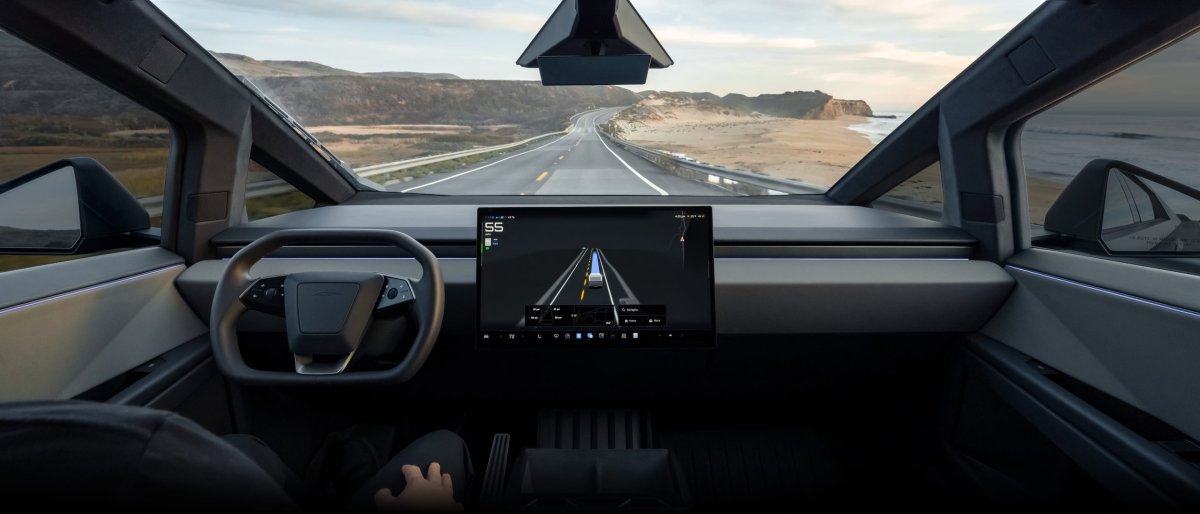

Quando un agente di polizia emette una multa per eccesso di velocità, la persona al volante è legalmente responsabile. Dopo una recente infrazione avvenuta mentre la Guida autonoma al completo (supervisionata) era attiva, un noto creatore di contenuti della community Tesla ha inoltrato la multa all'azienda.
Il creatore di contenuti Tesla @DrKnowItAll16 ha pubblicato un post su X dopo aver ricevuto una multa per aver superato il limite di velocità con il proprio Cybertruck mentre l'FSD era inserito:
“Ho sempre detto che se/quando avessi preso una multa per eccesso di velocità mentre @Tesla FSD stava guidando – senza la possibilità per me di regolare direttamente la velocità – avrei chiesto a Tesla di pagare la multa. Beh, eccola qui, Tesla.”

L'azione è stata più simbolica che dettata dall'aspettativa di un rimborso, ma sottolinea la crescente frustrazione riguardo al modo in cui le recenti versioni dell'FSD gestiscono i limiti di velocità segnalati.
I profili di velocità hanno sostituito i controlli granulari
La radice del problema risiede nei recenti cambiamenti software apportati all'FSD. Nelle versioni precedenti, i conducenti potevano impostare una velocità massima fissa utilizzando la rotellina destra del volante.
I recenti aggiornamenti hanno rimosso tale funzionalità. Tesla sta eliminando gradualmente i limiti di velocità tradizionali per introdurre profili di velocità dinamici nell'FSD. Il sistema ora si basa su (attualmente cinque) preset di comportamento generali: Sloth (Bradipo), Chill (Relax), Standard, Hurry (Fretta) e Mad Max.

Questi profili regolano la distanza di sicurezza, i cambi di corsia e la velocità del veicolo in base al flusso del traffico circostante. Molti proprietari hanno notato che i profili aggressivi viaggiano abitualmente oltre i limiti legali, e persino la modalità Standard può superare le cifre indicate. Senza un tetto di velocità dedicato, i conducenti che notano la propria auto accelerare troppo non possono semplicemente ridurre la velocità massima; devono passare a un profilo meno aggressivo o premere il pedale del freno per disattivare l'FSD.
Anche i conducenti che speravano nel ritorno del classico controllo della velocità hanno ricevuto notizie deludenti. Il capo dell'IA di Tesla, Ashok Elluswamy, ha confermato il mese scorso che l'opzione Velocità massima non tornerà nell'FSD, sottolineando che gli sviluppatori stanno lavorando a miglioramenti alternativi per la selezione della velocità.
Controllo normativo sull'eccesso di velocità autonomo
Il dibattito sulla selezione automatica della velocità va oltre le singole multe e ha attirato l'attenzione delle autorità di sicurezza internazionali.
Le agenzie di trasporto europee hanno sollevato obiezioni formali sul fatto che l'FSD disponga di una funzione di “compensazione della velocità” (Speed Offset) che gli consente di superare i limiti stradali legali. Francia e Svezia hanno entrambe contestato la propensione dell'FSD a superare il limite di velocità sulle strade pubbliche, e la Svezia ha persino esortato l'UE a respingere l'FSD a causa di questo problema, in vista di una votazione sull'approvazione normativa a livello continentale prevista per il prossimo autunno.
Finché non arriverà l'autonomia non supervisionata e Tesla non si assumerà la piena responsabilità legale, i conducenti umani rimarranno responsabili per ogni miglio percorso. Fornire ai conducenti controlli diretti e intuitivi per mantenere l'FSD (supervisionato) rigorosamente entro i limiti legali rimane una delle principali richieste tra i proprietari.


Condividi:
Tesla Model Y L ottiene le valutazioni ufficiali dell'autonomia EPA
Tesla FSD 14.3.9 in arrivo; includerà la nuova funzione "Evitamento automatico delle collisioni"