
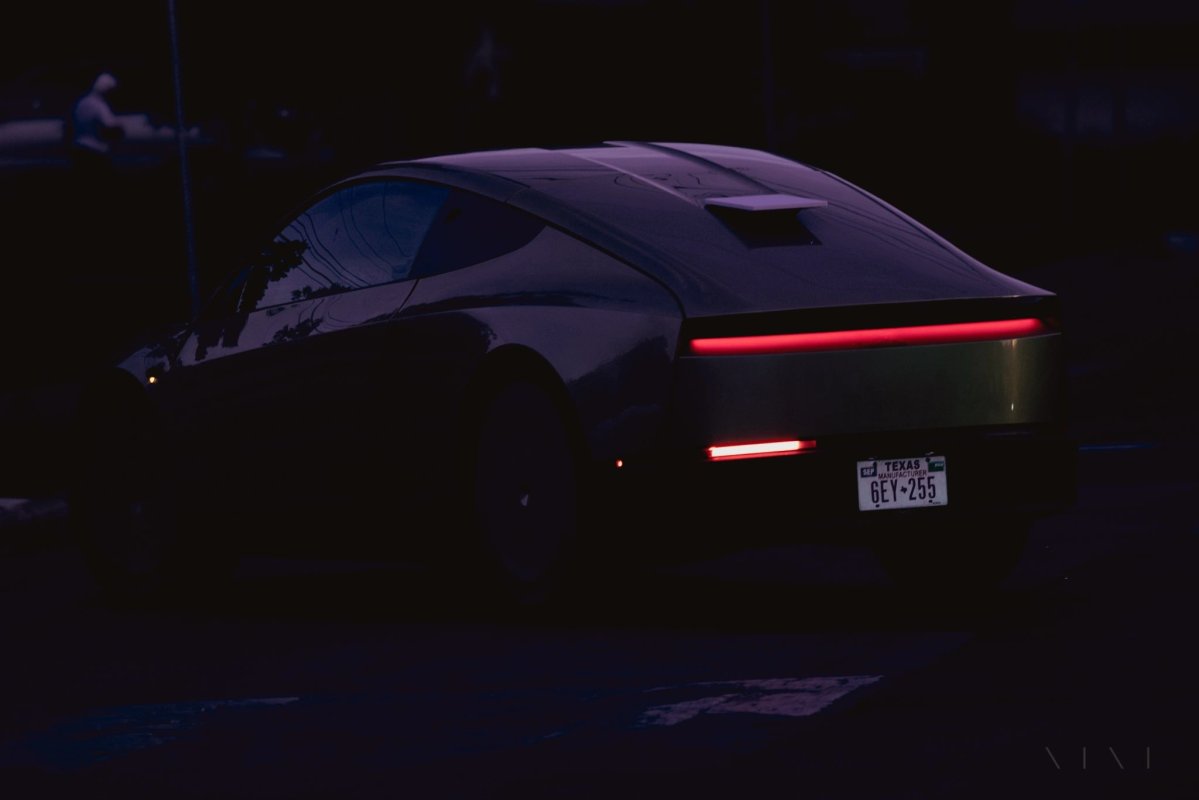

A new Texas statute permits companies operating SAE Level 4 or higher autonomous vehicles to provide commercial driverless transportation.
On the very day the law took effect, Tesla officially self-certified its Full Self-Driving (FSD) software on its robotaxi vehicles as Level 4 compliant.
For years, Tesla’s Autopilot and FSD features in the consumer market, including in Texas, have been limited to a Level 2 driver-assist classification. Although Tesla can now operate in Texas as a Level 4 system for commercial services, this does not alter the Level 2 designation for consumer vehicles.
Taking Responsibility
Many robotaxi rides in Austin were already driverless, but Level 4 autonomy introduces an important distinction.
By certifying its software as Level 4 for commercial operations, Tesla assumes a significant share of operational liability. In effect, it is asserting that the vehicles can drive themselves without human supervision or intervention under specific conditions.
Those conditions typically relate to factors such as weather, geographic boundaries (geofence), or speed.
This step marks a major inflection point for Tesla, representing the first time the company has been certified as a Level 4 system.
SAE International characterizes Level 4 autonomy as including:
Entire dynamic driving task (DDT): The system handles steering, braking, acceleration, lane changes, signaling, and monitoring of the driving environment.
Dynamic driving task fallback: If issues arise (such as sensor failures or road closures), the system must manage the situation and reach a safe state without relying on a human to take over.
Operational Design Domain (ODD): The defined conditions in which the system is intended to operate (for example, certain roads, cities, weather conditions, or speeds).
Consumer Vehicles Still Level 2
This change applies only to Tesla’s Robotaxi vehicles. Regular consumer cars, even when running a similar FSD version, remain classified as Level 2 by law, with drivers fully responsible.
Robotaxi operations in Austin benefit from advantages over consumer vehicles, even on the same FSD software. Beyond being geofenced, these areas have received additional FSD training that has improved performance.
Tesla also offers remote assistance to help vehicles when their confidence is low in certain scenarios.
Overall, this is a significant milestone for Tesla and its Robotaxi network, but it does not affect consumer vehicles for now.


Partager:
Splach Introduces a Flexible Phone Mount for Your Tesla
Watch Tesla's Cybercab Drive Itself Out of the Factory [VIDEO]