
Alors que les véhicules évoluent vers une autonomie totale et perdent leurs commandes de cockpit traditionnelles, l'écran tactile central devient souvent l'unique interface physique. Pour éviter aux passagers d'avoir à se pencher vers l'avant, Tesla a étendu son application mobile dédiée Robotaxi pour en faire une télécommande complète à bord.
Cette fonctionnalité a attiré l'attention sur X lorsque le membre de la communauté @Dannyijbol a partagé une vidéo de @OwenSparks montrant l'application utilisée lors d'un trajet en Cybercab.
La télécommande mobile a fait ses débuts plus tôt ce mois-ci pour préparer le lancement officiel des trajets en Cybercab sur le réseau Robotaxi. Le Cybercab a commencé à proposer des trajets au public à Austin seulement un jour après la mise en service de ces fonctionnalités dans l'application, permettant aux passagers de se détendre et de gérer les paramètres de l'habitacle directement depuis leur téléphone.
Une télécommande portative pour les sièges, les aérations et YouTube
L'application Robotaxi expose une gamme de commandes logicielles et de réglages matériels qui ne sont pas disponibles dans l'application grand public standard.
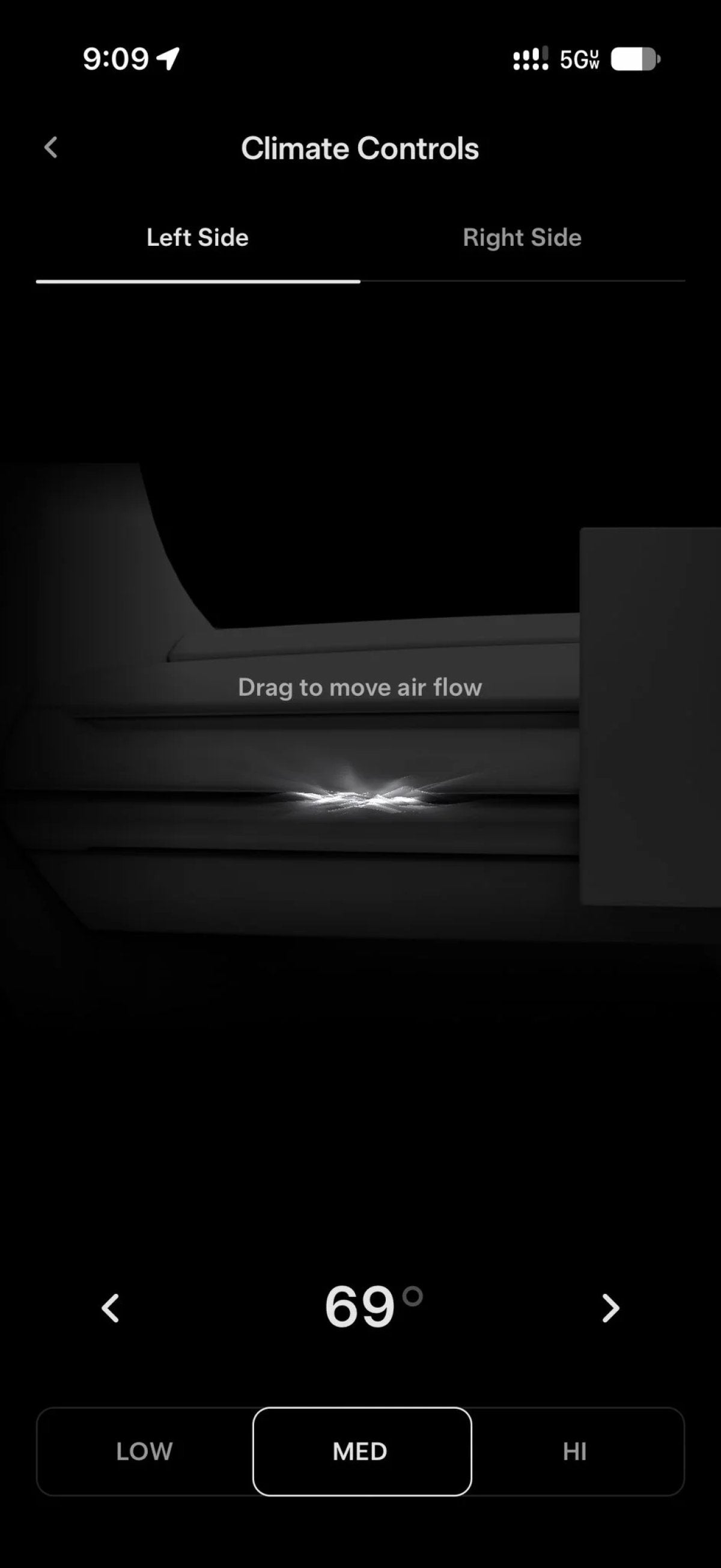
Commandes de ventilation : L'application Tesla standard vous permet de basculer la climatisation et de définir une température de consigne pour l'habitacle. Dans l'application Robotaxi, une visualisation 3D vous permet de faire glisser votre doigt pour orienter physiquement les bouches d'aération.
Réglage de la position des sièges : Les passagers peuvent avancer ou reculer les sièges et incliner les dossiers à l'aide de curseurs logiciels sur leur téléphone, au lieu d'utiliser les commandes latérales ou l'écran tactile central du véhicule.
Éclairage d'ambiance intérieur : Une palette de couleurs permet aux passagers de modifier l'éclairage d'ambiance à la volée, en choisissant entre des teintes prédéfinies ou des couleurs unies.
Navigation YouTube intégrée : Les passagers peuvent parcourir YouTube sur leur téléphone et appuyer sur une vidéo pour la diffuser sur l'écran de 22 pouces du Cybercab.
Bouton Grok dédié : Alors que les véhicules grand public permettent de déclencher des commandes vocales en disant « Hey Grok », l'application Robotaxi ajoute un bouton « appuyer pour parler » afin de réveiller l'assistant IA.


L'application inclut également une carte de suivi d'itinéraire pour avoir une vue d'ensemble du trajet, ainsi que des intégrations pour les services de streaming tels que Spotify et Apple Music. Son interface est très réactive, avec un délai minimal entre un appui et l'action correspondante dans le véhicule. « Nous avons la meilleure équipe d'interface utilisateur au monde », a déclaré Phil Duan, cadre de l'ingénierie chez Tesla.
Pourquoi ces fonctionnalités ont leur place dans l'application Tesla standard
Bien qu'une télécommande complète soit essentielle pour les trajets sans conducteur, plusieurs de ces capacités amélioreraient considérablement l'expérience des propriétaires particuliers.
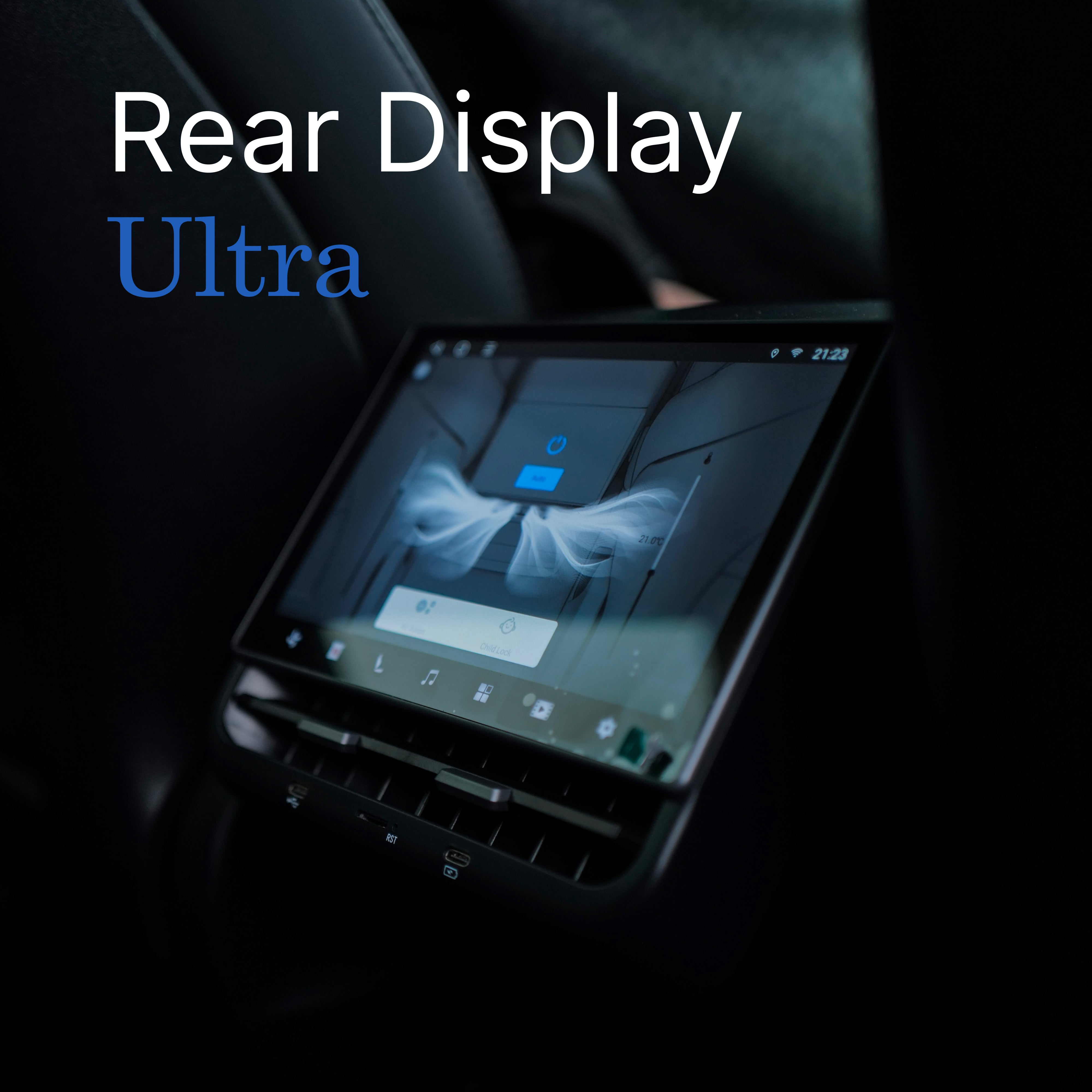
Les passagers arrière des Model Y ou Model 3 d'entrée de gamme — qui ne disposent pas d'écran tactile dédié à la deuxième rangée — ont souvent du mal à changer la musique, à lancer une vidéo YouTube ou à régler le flux d'air des bouches de climatisation. Intégrer ces commandes à l'application Tesla standard serait utile : un conducteur pourrait confier son téléphone aux passagers arrière, ou les téléphones des passagers jumelés pourraient être autorisés à accéder à l'orientation des aérations, au chauffage des sièges et aux files d'attente multimédia pour simplifier les trajets en famille.
Alors que les Robotaxis Tesla devraient commencer à fonctionner 24h/24 et 7j/7 le mois prochain, parallèlement au déploiement du FSD v15, l'application Robotaxi sera utilisée massivement en conditions réelles. Après avoir validé les interactions des passagers à grande échelle, le transfert de ces fonctionnalités à distance dans l'application Tesla principale serait une évolution logique.



Partager:
Mise à jour Tesla 2026.26 — Les changements non documentés
Tesla lance ses Superchargeurs accordéon pré-assemblés