
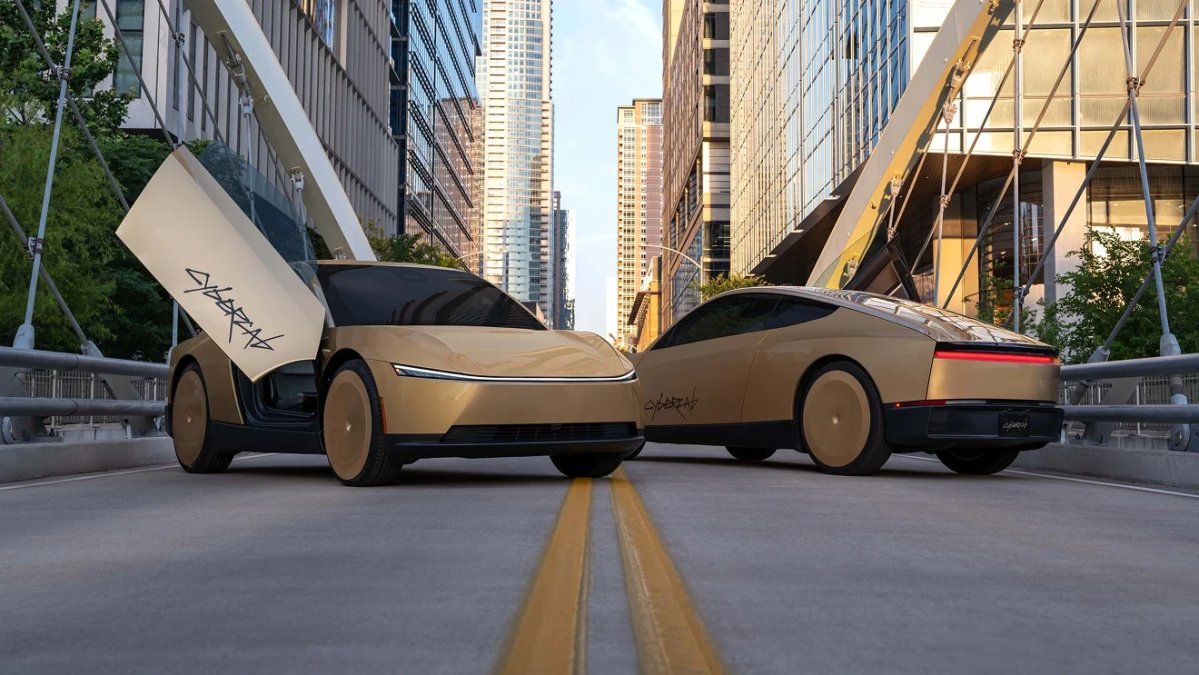
Alors que les trajets publics ont débuté au centre-ville d'Austin, la National Highway Traffic Safety Administration (NHTSA) a ouvert une enquête officielle pour déterminer si le Cybercab de Tesla, conçu spécifiquement à cet effet, avait été correctement certifié pour circuler sur les routes américaines.
Selon un rapport de Reuters, les régulateurs fédéraux examinent les données techniques internes et les procédures de conformité utilisées par Tesla pour auto-certifier jusqu'à 1 000 véhicules Cybercab selon les normes fédérales de sécurité des véhicules automobiles (FMVSS).
L'enquête a coïncidé avec le dévoilement du Cybercab par Tesla lors d'un événement de lancement officiel jeudi. Après des trajets de démonstration gratuits pour les participants, le Cybercab a rejoint la flotte de Robotaxi et a commencé son service commercial vendredi, permettant à quiconque à Austin de demander des trajets via l'application Robotaxi.

Auto-certification et absence de commandes manuelles
Aux États-Unis, les constructeurs automobiles auto-certifient généralement que leurs véhicules respectent les normes fédérales avant leur livraison. Alors que les véhicules modifiés comme le robotaxi Model Y correspondent aux définitions conventionnelles, l'absence totale de volant, de pédale d'accélérateur, de pédale de frein et de rétroviseurs latéraux sur le Cybercab complique la conformité.

Les règles fédérales exigent généralement des constructeurs automobiles produisant des véhicules sans commandes manuelles traditionnelles qu'ils demandent à la NHTSA une exemption réglementaire temporaire. L'agence peut autoriser jusqu'à 2 500 véhicules sans conducteur exemptés par fabricant et par an, une procédure que Zoox, filiale d'Amazon, a utilisée avec succès en juillet pour ses robotaxis personnalisés.
Tesla n'a pas soumis de demande d'exemption pour le Cybercab. Au lieu de cela, Tesla a auto-certifié l'autonomie de niveau 4 SAE au Texas au printemps dernier, en vertu des nouvelles règles de l'État. La direction de Tesla a précédemment confirmé que le Cybercab n'est pas soumis au plafond de production de 2 500 unités par an.
La NHTSA évalue la base juridique et technique de cette position, notamment pour déterminer si Tesla a incorrectement estimé que certaines exigences fédérales ne s'appliquaient pas au Cybercab. Abordant l'enquête, l'administrateur de la NHTSA, Jonathan Morrison, a déclaré :
« La NHTSA soutient pleinement le développement et le déploiement sécurisés des véhicules automatisés. Mais en tant que régulateur fédéral, nous devons nous assurer que toutes nos lois sont respectées. »
Flottes actives et réglementation fédérale en cours
Les dossiers des véhicules à moteur de l'État montrent que Tesla comptait au total 420 véhicules autonomes immatriculés au Texas vendredi, dont 45 Cybercabs conçus spécifiquement. Le reste est constitué de Model Y modifiés qui conservent les commandes de direction traditionnelles.

En juin, la NHTSA a proposé des modifications de règles visant à supprimer les anciens mandats concernant les pédales de frein manuelles dans les véhicules autonomes, ainsi que des mises à jour distinctes concernant les rétroviseurs avant et les équipements du conducteur. L'agence a souligné que les règles fédérales existantes sur les véhicules à moteur restent en vigueur jusqu'à ce que toute révision soit finalisée.
Les trajets publics en Cybercab se poursuivent à Austin pour le moment, soulignant la friction juridique à laquelle Tesla et d'autres constructeurs automobiles sont confrontés alors que des véhicules conçus sans volant arrivent sur les voies publiques avant la mise à jour des règles fédérales.


Partager:
Le Tesla Cybercab ne prend pas en charge la recharge en courant alternatif (CA).
Notes de mise à jour 2026.27.5