
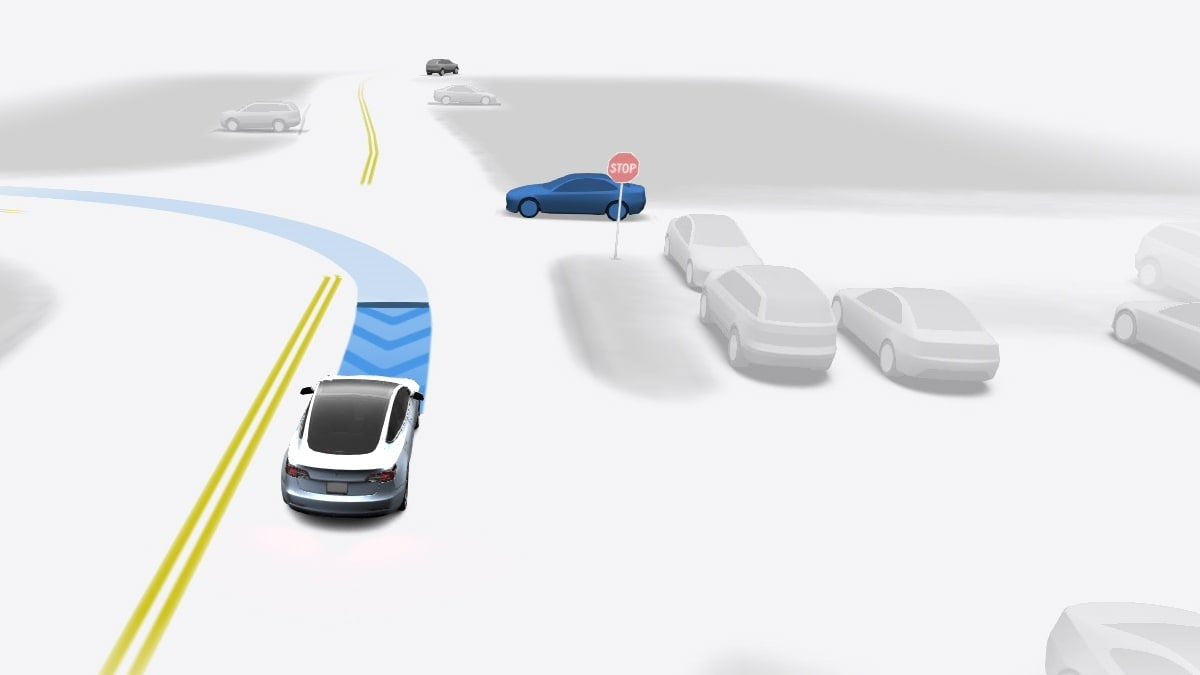

En muchas regiones, Tesla ofrece actualmente la Conducción Autónoma Total (FSD, por sus siglas en inglés) de dos maneras: una suscripción mensual o una compra única que permanece con el vehículo de por vida.
Esto crea una decisión para los propietarios: suscribirse mes a mes o pagar por adelantado una licencia permanente. A continuación, detallamos los puntos clave de cada enfoque para que pueda sopesar las opciones.
Costos
El costo es el factor principal para la mayoría de las personas. La tabla a continuación muestra los precios actuales de compra y suscripción de FSD en las regiones donde Tesla ofrece una suscripción, y el tiempo aproximado que tarda el costo de la suscripción en igualar el precio de compra.
Las suscripciones de FSD no están disponibles actualmente en China, Corea del Sur o México.
| País | Compra | Suscripción | Tiempo de amortización |
|---|---|---|---|
| Estados Unidos | $8,000 USD | $99 USD | 80 meses / 6.6 años |
| Canadá | $11,000 CAD | $99 CAD | 111 meses / 9.25 años |
| Australia | $10,100 AUD | $149 AUD | 68 meses / 5.6 años |
| Nueva Zelanda | $11,400 NZD | $159 NZD | 72 meses / 6 años |
Suscripción
Considerando únicamente el precio, una suscripción puede resultar atractiva, especialmente si espera conservar el automóvil durante un período más corto o necesita flexibilidad en su presupuesto. Las suscripciones permiten a los propietarios pausar el servicio durante los momentos en que no lo utilizarán, como en los meses de invierno en climas más fríos, donde el rendimiento de FSD puede reducirse.
Suscribirse también le permite probar la FSD sin comprometerse al precio total de compra. La aplicación móvil de Tesla ahora indica qué versión de FSD recibirá al suscribirse, ayudando a garantizar que obtenga la versión actual. Los vehículos con una suscripción activa permanecen en la versión más reciente de FSD; sin embargo, suscribirse y cancelar la suscripción repetidamente puede devolver al vehículo a la versión de software principal sin FSD durante los meses de inactividad, lo que podría retrasar las actualizaciones de FSD.
En general, la suscripción tiene más sentido financiero si planea conservar el vehículo por menos de aproximadamente seis años. Las suscripciones también son transferibles a otro Tesla de su propiedad cuando vende el automóvil anterior, sin necesidad de realizar una transacción de compra especial.
Compra
Comprar FSD directamente asigna una licencia permanente al VIN del vehículo y permanece con el automóvil si este se vende. Esa permanencia puede ser valiosa si planea vender el vehículo, ya que el comprador recibe la función con el automóvil.
Tesla ha acordado previamente proporcionar actualizaciones de hardware de FSD a los propietarios que compraron FSD para vehículos con Hardware 3 (HW3). En generaciones anteriores (HW 2.0 y HW 2.5), algunos propietarios recibieron actualizaciones gratuitas para cumplir con la especificación HW3, mientras que otros pagaron entre $1,000 y $1,500 USD por la actualización.
Comprar también asegura un precio fijo, protegiendo a los compradores de futuros aumentos en el precio de la suscripción o cambios en los términos. Para los propietarios que creen que Tesla aumentará los precios a medida que se acerque a la conducción autónoma sin supervisión, comprar por adelantado puede ser una protección contra costos futuros más elevados.
Dicho esto, los precios de suscripción han cambiado históricamente: en EE. UU. la tarifa mensual fue de $199 y luego se redujo a $99, lo que llevó a algunos compradores a cuestionar si la compra por adelantado seguía valiendo la pena. Financiar la compra a través de un préstamo puede hacer que la compra de FSD sea más manejable y, debido a que la licencia está vinculada al automóvil, los propietarios que conservan sus vehículos a largo plazo obtienen más valor de una compra directa.
La opción de compra desaparecerá
Tesla anunció recientemente que eliminará la posibilidad de comprar FSD directamente en febrero. El cambio probablemente responda a múltiples objetivos de la empresa: las suscripciones reducen la obligación de Tesla de adaptar o actualizar el hardware si no se puede lograr la autonomía sin supervisión en los vehículos existentes, y las suscripciones le otorgan a Tesla un control continuo sobre los precios y las condiciones.
Cambiar a un modelo exclusivo de suscripción podría permitir a Tesla introducir precios escalonados o tarifas mensuales más altas en el futuro; por ejemplo, diferentes niveles para un uso más capaz o comercial. También le da a Tesla la flexibilidad de aumentar los precios mensuales a medida que sus funciones de autonomía avancen hacia la operación sin supervisión.
Si la FSD llegara a un punto en el que los conductores ya no necesitaran prestar atención mientras viajan, el valor económico podría ser sustancial: los propietarios podrían trabajar durante sus desplazamientos, realizar trabajos remotos de mayor duración, dormir durante los viajes o crear nuevos modelos de negocio, como la entrega automatizada, que reemplacen a los costosos conductores humanos.
La decisión
No existe una respuesta única para todos. Suscribirse proporciona flexibilidad y un costo a corto plazo más bajo, mientras que comprar garantiza una licencia permanente para el vehículo y protección contra futuros aumentos de precio.
Para los propietarios que planean conservar un automóvil a largo plazo y que esperan seguir utilizando las funciones de autonomía, la compra es probablemente la mejor opción, especialmente para los vehículos HW3, donde la compra ha incluido garantías de actualización de hardware en el pasado. Para aquellos que prefieren un gasto inicial menor o esperan cambiar de vehículo en unos pocos años, una suscripción puede ser preferible.
Con Tesla a punto de eliminar la opción de compra pronto, los propietarios tienen una ventana limitada para decidir qué camino se adapta mejor a su situación.


Compartir:
El Congreso está listo para aprobar regulaciones federales sobre vehículos autónomos
Tesla anuncia que la opción de compra de FSD desaparecerá el próximo mes; he aquí la razón