
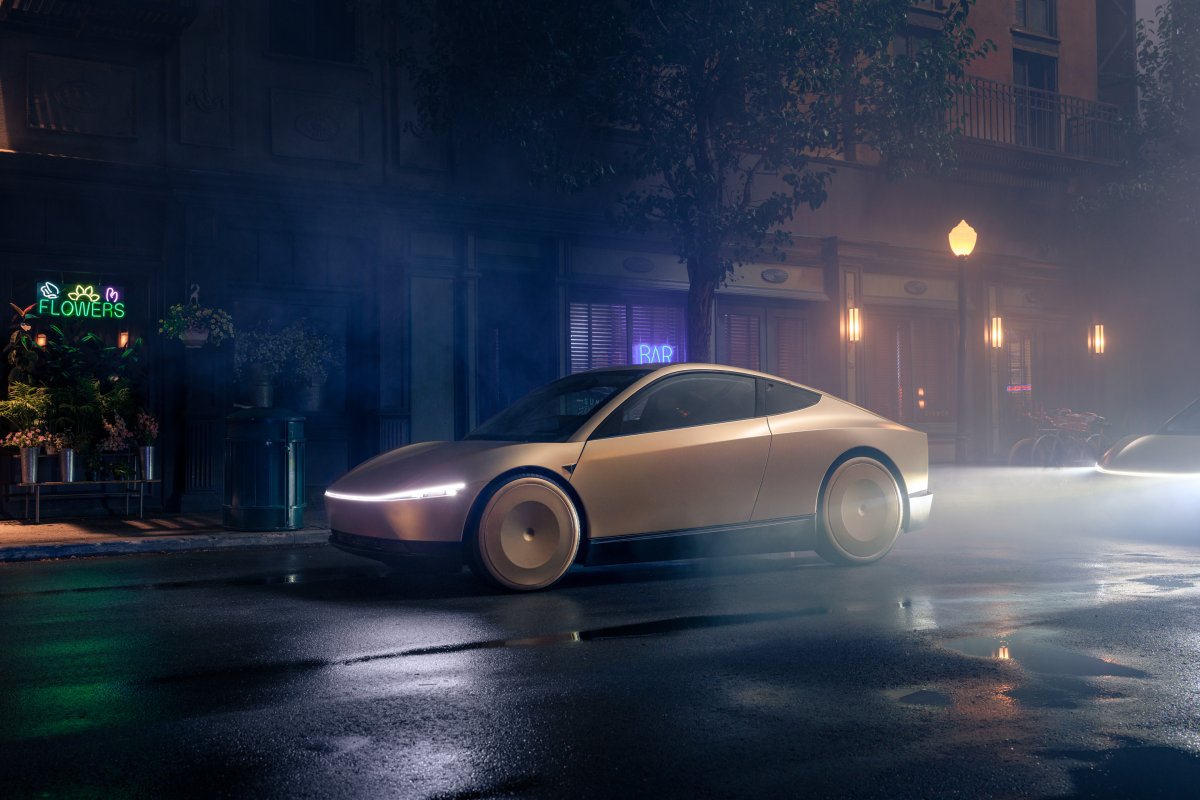

Durante años, el principal obstáculo para el Cybercab de Tesla no ha sido la tecnología subyacente, sino el marco normativo que regula los vehículos autónomos. Esa barrera ha comenzado a derrumbarse.
En una audiencia decisiva ante el Subcomité de Energía y Comercio de la Cámara de Representantes, los legisladores examinaron la Ley SELF DRIVE de 2026 y enviaron un mensaje claro: Estados Unidos se encamina hacia la legalización de la autonomía sin volante.
Aunque la reunión fue una audiencia legislativa y no una votación final en el pleno, su resultado funciona como un voto de confianza tácito. Liderado por los representantes bipartidistas Bob Latta (R-OH) y Debbie Dingell (D-MI), el comité presentó una postura unificada que podría permitir a Tesla desplegar el Cybercab a gran escala tan pronto como el próximo año.
El número mágico: 90.000
El elemento más importante tratado fue el marco de exenciones. Según la ley federal actual, los fabricantes están limitados a desplegar 2.500 vehículos por año que no cumplan con los Estándares Federales de Seguridad de Vehículos Motorizados (FMVSS) tradicionales, como los diseños sin volante o sin pedales. Para un vehículo de producción masiva como el Cybercab, ese tope impediría una producción en volumen oportuna.
El borrador de discusión de la Ley SELF DRIVE propone aumentar este límite considerablemente, siendo la cifra discutida en la audiencia de 90.000 unidades anuales por fabricante, con una escala de hasta 100.000 en años posteriores.
Audiencia del Comité de la Cámara de Representantes de EE. UU. hoy:
— Sawyer Merritt (@SawyerMerritt) 13 de enero de 2026
"Los límites en la cantidad de vehículos (autónomos) y la duración de esas exenciones hacen que sea un programa casi inutilizable para la industria en este momento, y creemos que es crítico para las nuevas tecnologías de seguridad innovadoras."
🔥🔥 pic.twitter.com/hmQUWepGHx
Preempción federal
Una victoria importante destacada en la audiencia fue el respaldo del comité a la preempción federal. Esa cláusula impediría que los estados o ciudades prohibieran vehículos que cumplan con los estándares federales de seguridad.
La preempción federal contrarresta directamente los esfuerzos de organismos estatales y locales restrictivos —notablemente el DMV de California y el Ayuntamiento de Nueva York— que han intentado imponer un mosaico de prohibiciones locales y reglas de permisos.
Superar a China
¿Qué cambió para lograr que demócratas y republicanos se unieran en esto? La respuesta recurrente en la audiencia fue la competencia con China.
El debate pasó de un marco de "Seguridad frente a Innovación" a uno de "Estados Unidos frente a China". Los legisladores expresaron su preocupación de que retrasar la legislación sobre vehículos autónomos arriesga ceder el futuro de la industria a competidores chinos respaldados por el Estado que ya están desplegando robotaxis de manera agresiva.
Audiencia del Comité de la Cámara de Representantes de EE. UU. hoy: "¿Por qué es esencial un marco federal de vehículos autónomos para que EE. UU. gane la carrera de la IA contra China?"
— Sawyer Merritt (@SawyerMerritt) 13 de enero de 2026
"Proporciona certeza a los innovadores, fabricantes y a todo el ecosistema, incluidos aquellos que invierten en la tecnología, para que puedan… pic.twitter.com/awrlznMRDa
"No podemos permitir que Estados Unidos se quede atrás" se convirtió en el lema no oficial de la audiencia. Presentar el proyecto de ley como crítico para la seguridad económica y tecnológica nacional ayudó a reposicionar la Ley SELF DRIVE como una legislación de aprobación obligatoria.
¿Qué sigue?
Tras la audiencia, el proyecto de ley entrará en una sesión de revisión para finalizar el lenguaje, seguida de una votación en el pleno prevista para finales de este año. Dado el apoyo bipartidista mostrado y la urgencia vinculada a la competencia con China, el camino hacia la aprobación parece más claro que antes.
Para Tesla, la barrera legislativa está disminuyendo, lo que señala una oportunidad para acelerar los preparativos para la producción del Cybercab y un despliegue más amplio de la verdadera autonomía.


Compartir:
La mejor tecnología de 2026 es otorgada al FSD de Tesla: MotorTrend
Con la eliminación de las compras de FSD por parte de Tesla, ¿deberías comprarlo ahora? Lista de ventajas y desventajas