
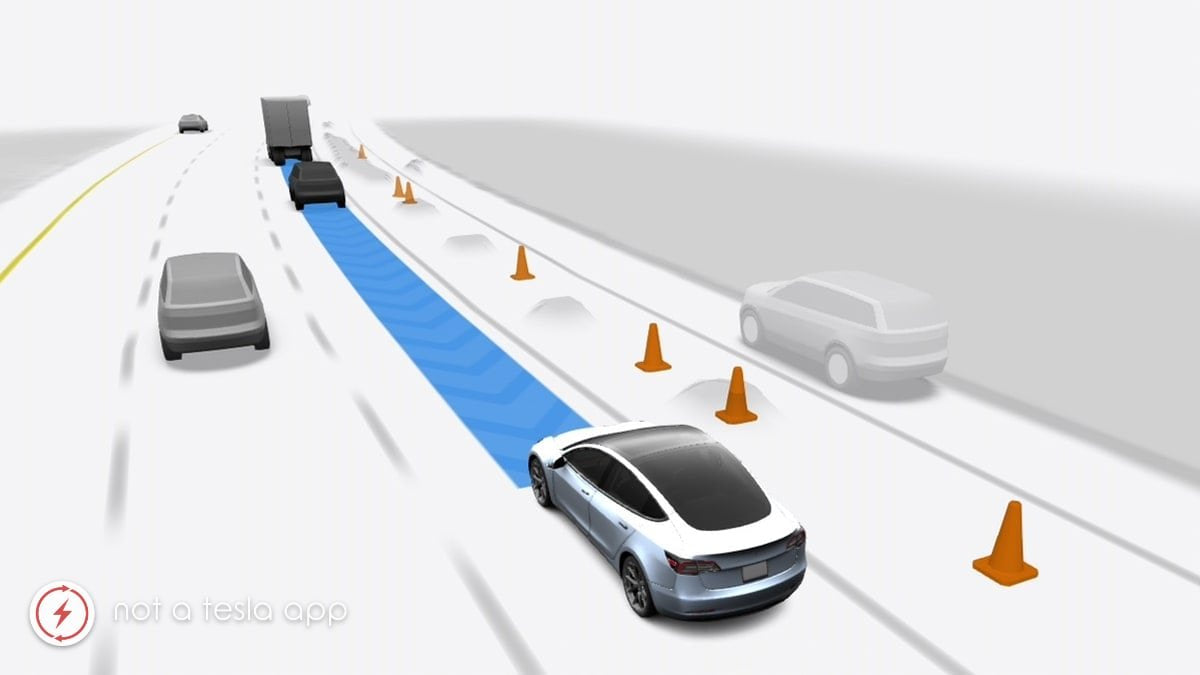

Hoy temprano, Elon Musk anunció que Tesla dejará de ofrecer la Conducción Autónoma Total (FSD, por sus siglas en inglés) como una compra única y, en su lugar, la pondrá a disposición solo mediante suscripción. La fecha límite para comprar FSD de forma definitiva es el 14 de febrero de 2026; después de esa fecha, el software estará disponible exclusivamente como una suscripción mensual.
Aunque muchos propietarios ahora se suscriben en lugar de comprar, esa tendencia ha sido impulsada en gran medida por el alto costo inicial de FSD. Tesla llegó a fijar el precio de FSD en hasta 15 000 dólares en septiembre de 2022 antes de reducirlo gradualmente a los 8000 dólares actuales en Estados Unidos.
Dicho esto, el cambio parece estar impulsado más por la estrategia a largo plazo de Tesla que por las preferencias de pago de los clientes.
Ingresos estables
Los inversores generalmente prefieren fuentes de ingresos predecibles, y un modelo de suscripción ofrece eso. Las compras únicas crean picos de ingresos desiguales —que a menudo coinciden con las ventas de vehículos—, mientras que las suscripciones producen ingresos constantes y recurrentes.
El Premio al Desempeño del CEO 2025 de Elon Musk establece un objetivo de 10 millones de suscripciones activas a FSD. Ese objetivo también cuenta las compras de FSD para el total.
Actualización: Las compras de FSD se cuentan para el objetivo de 10 millones de suscriptores de Musk.
El vacío legal del hardware
Una gran ventaja para Tesla es de carácter legal y operativo. Eliminar la compra inicial elimina la "promesa eterna" de que el hardware existente de un vehículo eventualmente admitirá la autonomía total, una promesa que ha generado disputas, demandas y problemas de percepción, particularmente para los vehículos con Hardware 3, que en algunos casos requieren adaptaciones con hardware más nuevo.
Con una suscripción, los clientes pagan por lo que FSD (Supervisado) puede hacer hoy en lugar de por una capacidad futura garantizada. Si un automóvil más antiguo ya no puede ejecutar los modelos más recientes, el propietario simplemente puede cancelar la suscripción, liberando a Tesla de la obligación de realizar costosas adaptaciones en vehículos antiguos.
Las cuentas no cuadraban
Para muchos compradores, el precio inicial de 8000 dólares dejó de tener sentido financiero. Al costo de suscripción actual de 99 dólares al mes, se necesitan aproximadamente 6.5 años de pagos continuos para igualar el precio de compra de suma global.
Esa comparación no tiene en cuenta el costo de oportunidad: ya sea invertir el dinero en otro lugar, comprar actualizaciones o elegir otras opciones. Además, si un vehículo es declarado pérdida total, es posible que algunas aseguradoras no incluyan el costo de FSD en el valor del vehículo; la licencia FSD de un propietario podría desaparecer efectivamente si no pueden usar una opción de transferencia disponible.
Dado el largo horizonte de equilibrio y la economía involucrada, suscribirse ha sido la opción financieramente superior para la mayoría de los propietarios desde hace algún tiempo.
La autonomía vale mucho más
El paso a un modelo exclusivamente de suscripción también plantea dudas sobre cómo Tesla empaquetará FSD en el futuro. Tesla actualmente incluye FSD con el Model S, Model X y el Cyberbeast como parte de un paquete Luxe, lo que sugiere que la compañía podría reducir el precio o reempaquetar las funciones para cambiar los términos de licencia.
Un modelo exclusivo de suscripción le da a Tesla la flexibilidad de segmentar FSD en niveles: potencialmente un Autopilot a escala reducida, el FSD (Supervisado) actual, un FSD (No supervisado) de próxima generación e incluso una licencia comercial para servicios de transporte compartido y otros.
Visto de otra manera, el cambio podría indicar la creencia de Tesla de que se está acercando a una FSD verdaderamente no supervisada. Si se logra la verdadera autonomía, el valor de FSD pasaría de ser una función de asistencia al conductor a un servicio similar al de un chofer con un valor de decenas de miles de dólares al año.
Una suscripción también es más conveniente para Tesla desde una perspectiva de precios: permite a la compañía cambiar los términos y ajustar las tarifas mensuales a medida que mejoran las capacidades de FSD, y por lo tanto su valor. Si bien 12 000 dólares es una suma significativa, Tesla correría el riesgo de dejar pasar ingresos sustanciales si vendiera la verdadera autonomía como una compra única sin restricciones. Al trasladar a los clientes a suscripciones ahora, Tesla conserva la capacidad de aumentar la tarifa mensual a medida que FSD se vuelve más valiosa con el tiempo.




Compartir:
Con la eliminación de las compras de FSD por parte de Tesla, ¿deberías comprarlo ahora? Lista de ventajas y desventajas
Elon Musk insinúa que la verdadera innovación del Cybercab se encuentra bajo la superficie