
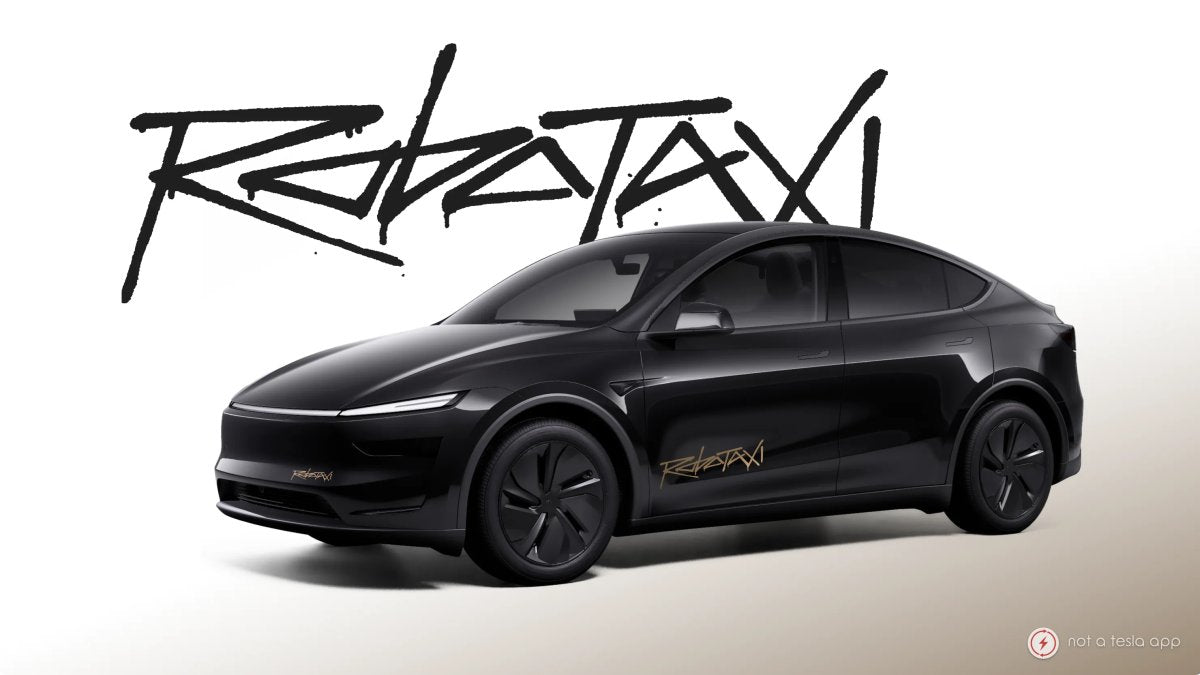

Public sentiment often outweighs technical assessments when judging autonomous services such as Robotaxi, Waymo, and Zoox, with crash frequency being the most influential factor.
Any crash involving an autonomous vehicle tends to amplify skepticism. For example, a recently published Fox News article about a Waymo incident used a photo of a Tesla Robotaxi.
However, telemetry from regulatory filings presents a different picture of Tesla’s safety performance.
The Data At Hand
A review of raw incident logs since the last mid-April update shows differing event volumes among Tesla, Waymo, and Zoox. The dataset tracks severe incidents that result in injuries or substantial property damage.
| Operator | Incidents Recorded | Cumulative Historical Fleet |
|---|---|---|
| Tesla | +1 | 18 (Austin Operational Envelope Only) |
| Zoox | +6 | 139 |
| Waymo | +191 | 2,009 |
This information is not normalized by fleet size or miles driven, so it should not be interpreted at face value (Waymo currently operates a larger fleet and logs more miles than Tesla).
The standout detail is that Tesla recorded only a single incident between April 15th and June 16th.
The Zero-Fault Incident
The sole Tesla incident occurred within the Austin, Texas, geofence and illustrates how safely Robotaxis can operate—and how human behavior can introduce risk.
According to the official report, the Robotaxi was following a routine route. It was stopped in traffic, properly positioned in a left-turn-only lane, and waiting at a solid red left-arrow traffic signal.
Telemetry indicates a human-driven pickup truck pulled up behind the stationary Tesla and initially came to a full stop.
Moments later, apparently due to inattention or premature input, the pickup proceeded and rear-ended the stopped Tesla. A safety monitor was in the vehicle, and there were no commercial passengers on board at the time. The event involved no input from FSD.
Predictability is Hard
This Austin case underscores a core challenge on the path to Level 4 Autonomy: predictability. Autonomous systems are trained to comply with traffic laws—they do not roll past stop lines, inch forward to anticipate lights, or become distracted.
Human drivers, by contrast, often rely on informal—and sometimes illegal—shortcuts to move through city traffic. When a compliant autonomous vehicle encounters a distracted human driver, the human element can become the cause of a collision.





Share:
New California Bill Reduces EV Prices for First-Time Buyers
Tesla Tears Down Model S/X Lines for Optimus Production