
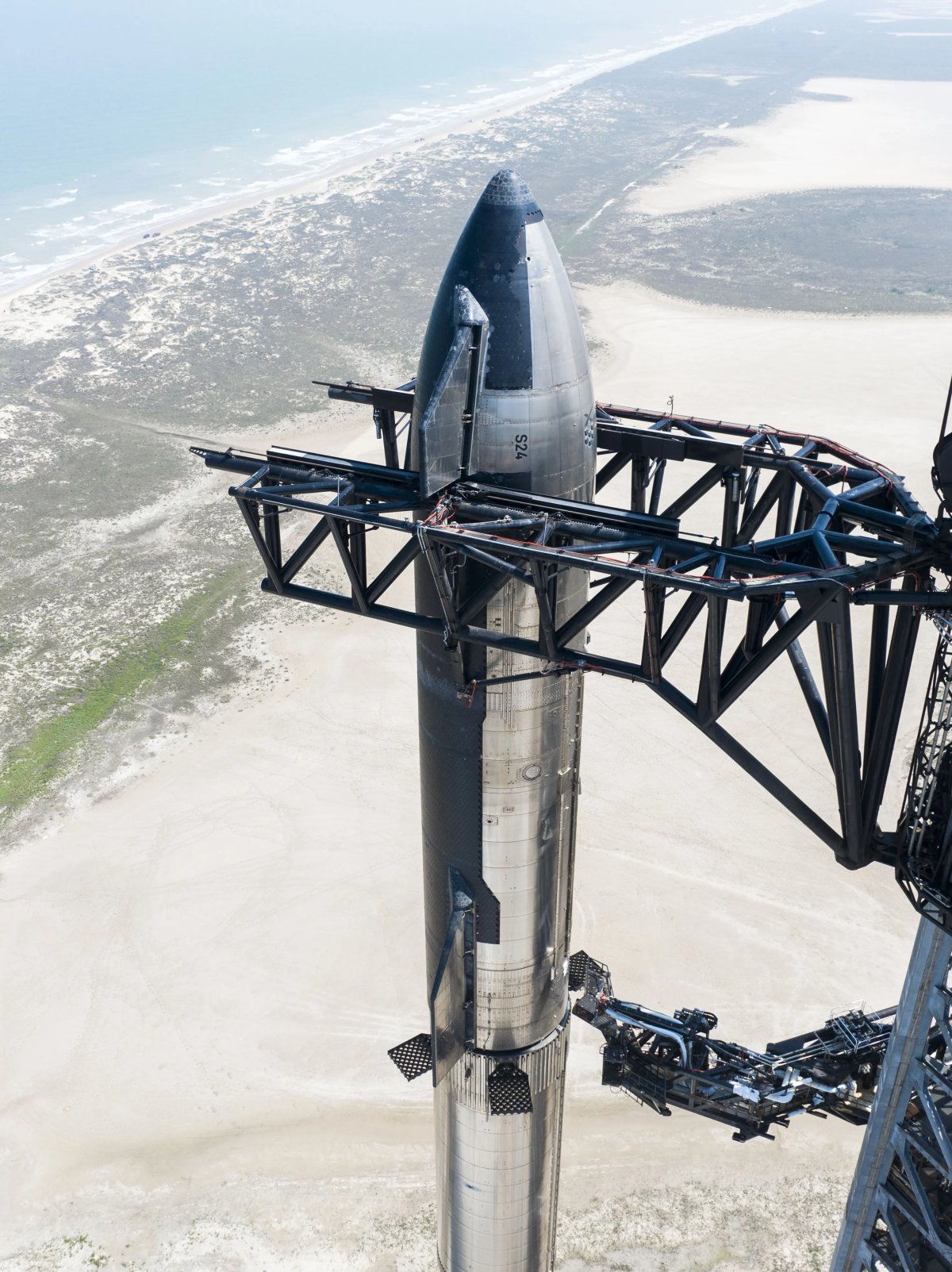
SpaceX presenta la Starship V3: novedades

SpaceX ha sacado el primero de sus vehículos Starship de próxima generación para pruebas en tierra, lo que marca otro paso hacia un cohete de carga pesada totalmente reutilizable.
Designada como Starship V3 SN1, la etapa superior actualizada ha salido del sitio de construcción, lo que llevó a Elon Musk a ofrecer grandes expectativas para su futuro, al tiempo que reconoce las realidades de la ingeniería aeroespacial.
Starship V3 SN1 headed for ground tests.
— Elon Musk (@elonmusk) 27 de febrero de 2026
I am highly confident that the V3 design will achieve full reusability. https://t.co/P3XS1pBeZd
Cambios en la Starship V3
La variante V3 es considerada ampliamente como un cambio de la fase experimental de la Starship hacia una verdadera escala operativa. Introduce varias mejoras, incluida una estructura ligeramente más alta y una mayor capacidad de propulsor en comparación con las versiones anteriores.
Fundamentalmente, cuenta con motores Raptor V3 de nueva generación que tienen como objetivo ofrecer un empuje significativamente mayor mientras reducen tanto el costo como el peso.
La V3 también está altamente optimizada para su fabricación, un paso clave para aumentar la cadencia de lanzamiento para Starlink, misiones lunares, satélites de IA y misiones a Marte.
Tras el despliegue del SN1, Elon Musk expresó su confianza en que la nave V3 será el diseño que logre la reutilización total. SpaceX apunta al vuelo inaugural de la V3 SN1 en algún momento de marzo de 2026.
Atrapar a la Starship
SpaceX ya ha demostrado la captura del propulsor Super Heavy con los brazos robóticos de la torre de lanzamiento, pero recuperar la nave de la etapa superior es un desafío de ingeniería diferente.
The second successful catch of the Super Heavy booster pic.twitter.com/FanOyDoE8Z
— SpaceX (@SpaceX) 18 de enero de 2025
Al viajar a velocidades orbitales, la nave debe soportar el intenso calor de la reentrada antes de intentar un giro o un encendido de aterrizaje. Traer un vehículo de acero grande de regreso sobre áreas pobladas e infraestructura crítica introduce un riesgo sustancial.
En una publicación posterior, Musk describió un plan de recuperación que prioriza la seguridad: SpaceX llevará a cabo dos amerizajes suaves y seguros antes de intentar una captura adecuada en tierra. Este enfoque reduce la posibilidad de rotura por impacto o durante el aterrizaje y ayuda a prevenir daños.
Prácticas sobre el agua
Apuntar a zonas de amerizaje en alta mar para los primeros vuelos de la V3 permite realizar pruebas exhaustivas del escudo térmico, el accionamiento de las aletas aerodinámicas y los encendidos de aterrizaje del Raptor V3 sin arriesgar la caída de escombros sobre Starbase o a lo largo de la trayectoria de vuelo.
Si la V3 funciona a la perfección en sus misiones iniciales y repite dos amerizajes suaves, el primer intento de atrapar la etapa superior con la torre de lanzamiento podría ocurrir este mismo año. Hasta entonces, las primeras naves V3 podrán hundirse después del amerizaje para recopilar datos de reentrada.





Compartir:
Tesla liquida su inventario de Model 3 en Canadá antes de la llegada de vehículos eléctricos chinos
El jefe de Tesla Giga Berlín critica a los medios por afirmaciones sindicales "falsas"