
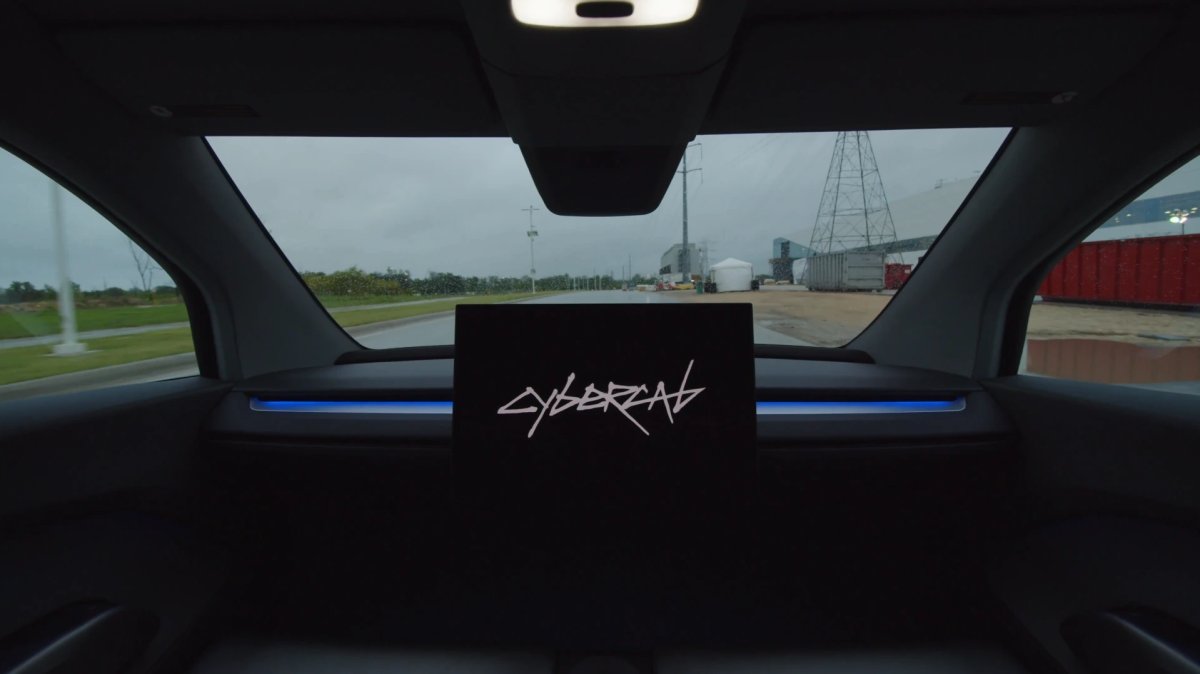
The National Highway Traffic Safety Administration (NHTSA) is rolling back long-standing equipment rules to make it easier to deploy autonomous vehicles, starting by no longer requiring traditional brake pedals.
Tearing Down Pointless Barriers
According to an official NHTSA press release, the agency is eliminating the requirement for manual brake pedals in vehicles designed to be driven exclusively by automated driving systems (ADS). This updates Federal Motor Vehicle Safety Standard (FMVSS) No. 135.
While fully autonomous vehicles will not need manual foot or hand brake controls, the regulator will use alternative testing procedures to ensure they meet strict stopping distance criteria.
"We are at the cusp of the greatest technological revolution in vehicle technology since the innovation of the Model T. If we want America to lead the way, we have to reimagine our regulatory framework," said NHTSA Administrator Jonathan Morrison. "That’s why under Secretary Sean Duffy’s AV Framework, NHTSA is tearing down pointless barriers to innovative designs while strengthening the fundamental safety requirements that matter and holding AV developers accountable for safe performance. This approach will ultimately reduce roadway crashes, prevent fatalities, and increase mobility."

Clearing the Path for Cybercab
This rule change has major implications for Tesla’s purpose-built robotaxi. Under existing federal laws, fully self-driving vehicles do not require NHTSA approval if they keep required human controls like steering wheels, brake pedals, or mirrors. However, if a vehicle removes those components, it previously faced long delays waiting for regulatory exemptions.
The updated framework supports Tesla’s goal to deploy Cybercabs without any manual driving controls. The Cybercab is intended to be operated entirely by Tesla’s Full Self-Driving software. EPA filings that surfaced online provided a first look at the Cybercab’s official specs and performance metrics.
Production is already turning out a mix of steering wheel-less Cybercabs alongside units with manual controls. Tesla began Cybercab mass production in April at Gigafactory Texas, and over 100 Cybercabs were recently spotted staging for real-world validation. Manufacturing and road testing are ramping ahead of the vehicle’s anticipated debut on Tesla’s Robotaxi service.
What This Means for Tesla’s Robotaxi
Tesla previously said it would start deploying Cybercabs with steering wheels and pedals if regional laws required them. This latest federal update suggests that physical backup controls may not be necessary.
States are also moving quickly to support autonomous vehicles; Tesla recently self-certified its FSD-driven vehicles as SAE Level 4 autonomy-compliant in Texas, helping clear local commercial paths. With the brake pedal mandate dropped for AVs, the steering wheel is the only major hurdle left to clear before companies like Tesla can deploy purpose-built robotaxis at scale.




Teilen:
Tesla Opens First 500 kW V4 Supercharger in Europe
Tesla Supercharger Predicted Availability Now Available in Google Maps