
New U.S. Car Safety Rules Could Force Tesla to Redesign Door Handles
U.S. safety regulators are moving to revise how vehicle doors and emergency egress must operate. The National Highway Traffic Safety Administration (NHTSA) said it has granted a petition seeking a mandate for clearer, more dependable door-release systems across all new motor vehicles.
According to a Bloomberg report, the decision initiates a formal rulemaking process after multiple incidents in which occupants became trapped following loss of electrical power during crashes.
Michael Brooks, executive director of the Center for Auto Safety, highlighted the significance of the step and noted:
“It’s very significant that they are going to begin the rulemaking process, since this is the initial step that must be taken to create or modify Federal Motor Vehicle Safety Standards to strengthen areas related to electric doors and egress.”
Brooks added that even if the process moves quickly, a final compliance date for automakers likely won’t land before 2030.

How Current Tesla Doors Work and What Could Change

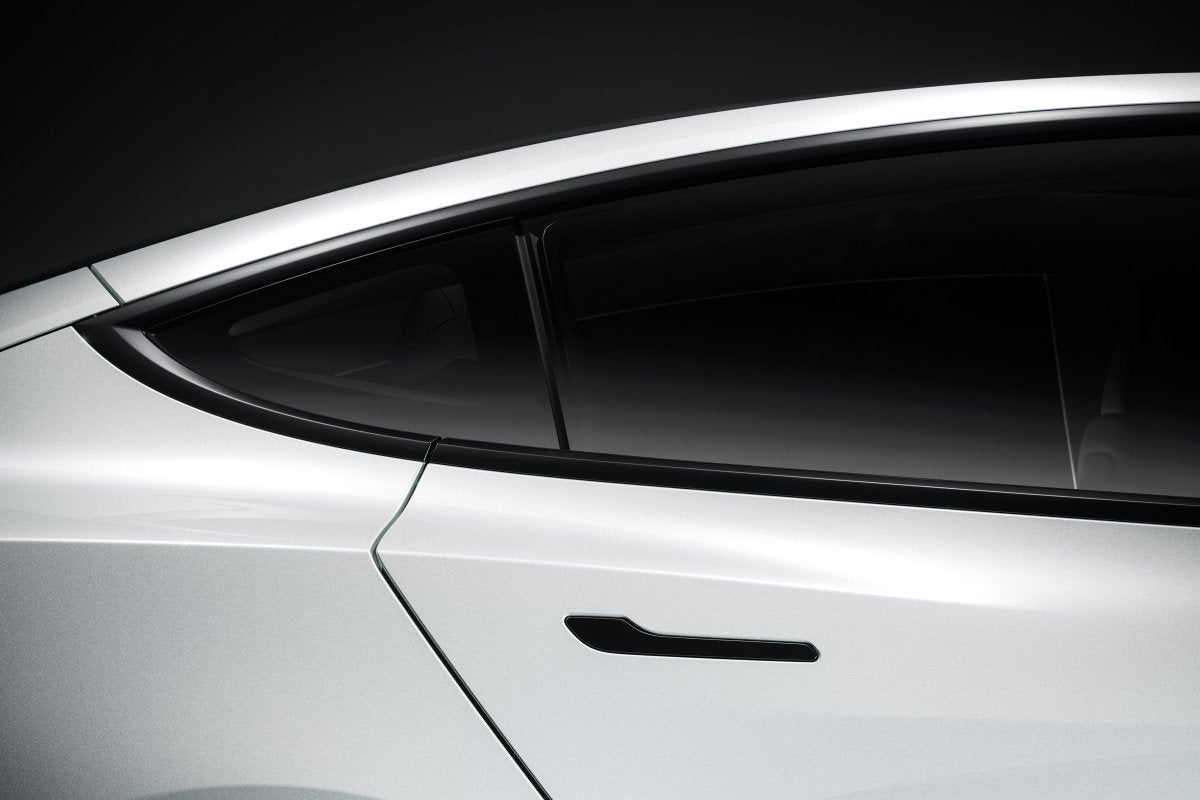
All Tesla models use flush exterior door handles that depend on the low-voltage battery for power. On the Model 3 and Model Y, the handles appear mechanical, but pulling them actually triggers an electronic switch. If a crash or power failure disables the low-voltage battery, rescuers cannot open the doors from the outside.
Inside, the setup differs by row. The front seats have primary electronic release buttons and a separate mechanical lever for emergencies. In the rear, older vehicles rely on electronic-only buttons, while newer builds include a manual release cable hidden beneath a felt mat in the door pocket.

Any new federal rules will likely require significant changes to these mechanisms:
- An electronic release would also need to actuate a mechanical linkage through the same control.
- Interior releases would have to integrate mechanical and electronic operation into one control instead of separating them across different buttons or levers.
- Emergency releases would need to be clear and easily reachable in every seating row, front and rear.
- Exterior door handles would need to be more obvious and operate mechanically if electrical power is lost.
Tesla’s current door-handle design and emergency releases have often been the subject of regulatory scrutiny. Clunky handle mechanisms were likely part of the reason Tesla sunsetted the Model S and Model X earlier this year. The Model X was especially complicated, requiring occupants to remove speaker grilles, pull concealed cables, and physically push open the heavy falcon wing doors without power assist.
In addition, the company faces pressure from other markets such as China, which is moving to ban flush handles, to rework its door-opening systems.
Preempting Rules With Redesigned Handles
Tesla is already updating its approach. Chief designer Franz von Holzhausen previously confirmed that new door-handle designs are in development to address safety and usability concerns.


We’re already seeing those updates in the upcoming Cybercab, which debuted Tesla's new one-button interior door release that combines electronic and mechanical functions in a single control with different actuation points. Externally, the Cybercab replaces flush handles with a door-opening button positioned on the B-pillar.

Beginning a rulemaking does not guarantee that new requirements will be adopted, and finalizing standards can take years. There is also no indication yet of how any resulting rules would apply to vehicles already on the road, leaving open the question of whether automakers might eventually be required to retrofit millions of older vehicles with revised door-opening mechanisms.









Teilen:
Tesla Adds Model Y Camera Washers to Parts Catalog
Uber Tries to Block Independent Tesla and Waymo Robotaxis