
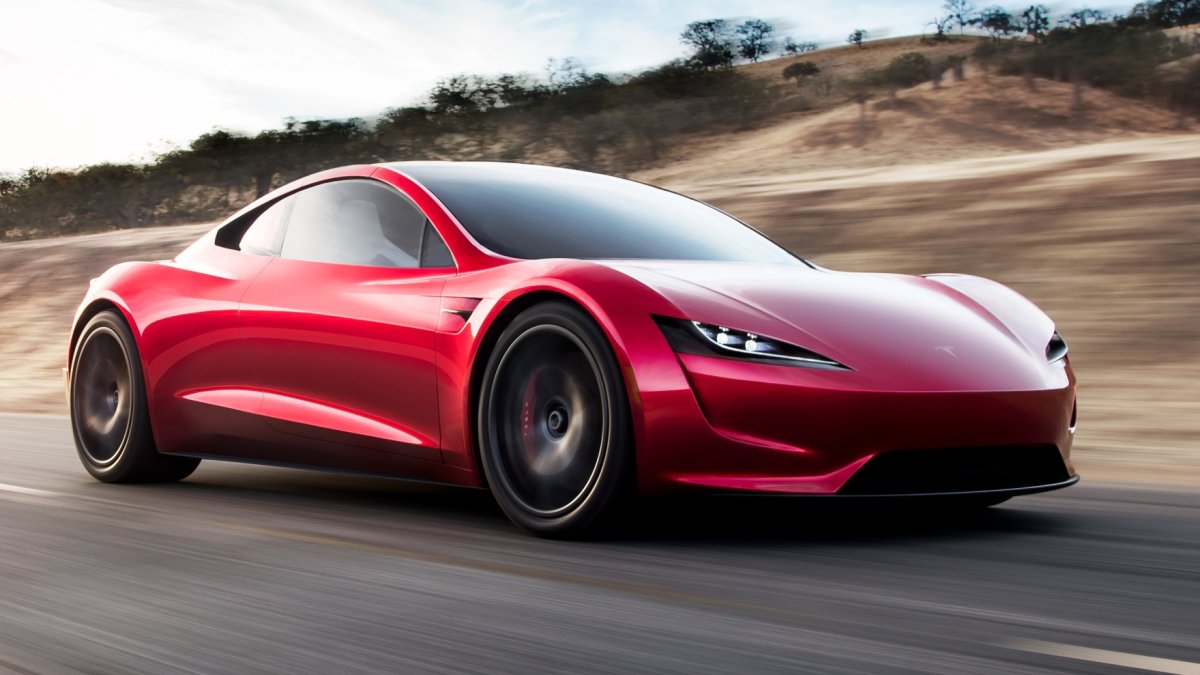
Da quando è uscita inaspettatamente dal rimorchio del concept originale Semi alla fine del 2017, la Tesla Roadster di seconda generazione ha occupato un posto speciale nel mito automobilistico. In parte auto sportiva di punta e in parte scommessa ingegneristica, ha resistito a date che slittavano, revisioni del design e promesse audaci.
L'attesa è quasi finita. Tesla ha ufficialmente fissato al primo ottobre la data per la presentazione della Roadster e ha iniziato a inviare inviti ai titolari delle prenotazioni, completi di un conto alla rovescia in tempo reale sul proprio sito web. A poche settimane di distanza, ecco cosa si sa finora e cosa aspettarsi quando i veli verranno sollevati in Texas.
Una dimostrazione "indimenticabile"
La strada verso questo svelamento è stata lunga. Gli obiettivi interni avevano inizialmente previsto una presentazione già il primo aprile 2026, prima di slittare alla tarda primavera e poi alla fine dell'estate. Elon Musk ha ripetutamente affermato che la dimostrazione pubblica sarebbe stata "indimenticabile".
Durante una recente apparizione all'All-In Summit, Musk ha dichiarato:
“Sarà un botto. Emozioni garantite. Il successo non è garantito, ma l'emozione sì.”
Ha inoltre aggiunto:
“Abbiamo bisogno di un pubblico che garantisca che non si tratti di intelligenza artificiale.”
Le osservazioni indicano che Tesla intende mostrare le capacità della Roadster dal vivo sul palco, piuttosto che fare affidamento su filmati o animazioni preregistrati.
Velocità incredibile
La rinnovata Roadster è destinata a essere l'indiscusso fiore all'occhiello sia della gamma Tesla che del più ampio mercato dei veicoli elettrici, ridefinendo i parametri di performance in rettilineo per le auto di serie.

Musk ha precedentemente promesso un tempo di accelerazione da 0 a 60 miglia orarie inferiore ai 2 secondi per la configurazione base, oltre a uno scatto da 0 a 60 miglia orarie in un secondo o poco meno quando dotata dell'hardware di propulsione opzionale. Raggiungere tali numeri spinge i limiti fisici dei comuni pneumatici in gomma e richiede un'ingegneria non convenzionale per superare i vincoli di trazione standard.
Tecnologia F1 proibita
Mantenere l'auto incollata all'asfalto a velocità record richiede un carico aerodinamico importante. L'anno scorso, Tesla ha brevettato un sistema aerodinamico a effetto suolo in stile F1 per la Roadster di prossima generazione, che rispecchia i sistemi assistiti da ventole utilizzati in passato in Formula 1.

Il design integra un condotto d'aria interno che va dalla parte anteriore inferiore del veicolo fino al diffusore posteriore. Facendo defluire l'aria attraverso questo canale, si crea una zona a bassa pressione sotto l'auto, che aspira efficacemente il veicolo verso l'asfalto per produrre un'aderenza massiccia ad alta velocità, senza bisogno di un grande alettone posteriore che crei resistenza.
Nuovi sedili sportivi monoblocco
Con un'accelerazione estrema a disposizione, l'abitacolo necessita di sedili in grado di trattenere saldamente gli occupanti. Un recente brevetto ha rivelato un design del sedile monoblocco per la Roadster realizzato in materiale composito carbonio-nylon o Kevlar-nylon.

Ispirato alle megacastings strutturali utilizzate nel telaio Tesla, il guscio del sedile è stampato come un unico pezzo strutturale. I disegni del brevetto mostrano una "cerniera vivente" integrata e sei gradi di movimento, offrendo una rigidità leggera in grado di resistere alle forze G da hypercar riducendo al contempo il peso dell'abitacolo.
Propulsori a gas freddo
L'affermazione più sensazionale è che l'auto sarà in grado di "volare". Un'interpretazione più equilibrata è che la Roadster possa sollevarsi brevemente o compiere piccoli balzi utilizzando il pacchetto opzionale di propulsori SpaceX, di cui si è parlato a lungo.
Il sistema utilizza serbatoi a pressione compositi avvolti (COPV) ad altissima pressione per alimentare gli ugelli dei propulsori a gas freddo integrati nella carrozzeria. Un video circolato di recente dall'esterno di un'area di test SpaceX coperta sembra mostrare un veicolo che espelle gas e si solleva brevemente dall'asfalto, dando credibilità al pacchetto hardware.
Questi propulsori sarebbero una prima assoluta per un'auto di serie, sbloccando un'accelerazione senza precedenti e potenzialmente consentendo uno scatto da 0 a 60 miglia orarie sotto il secondo. Il sito aggiornato del conto alla rovescia di Tesla per l'evento mostra persino un rendering capovolto con quattro distinti pennacchi di propulsione che si sprigionano dal telaio posteriore.
Design Cyber(?)
Il teaser oscurato e capovolto condiviso prima dell'evento offre indizi sullo stile: uno spoiler attivo montato in alto, parafanghi posteriori scolpiti e una barra luminosa orizzontale continua.

È interessante notare che l'aspetto sembra più nitido e geometrico rispetto al concept più curvilineo del 2017, alimentando le speculazioni che la Roadster possa riprendere elementi ispirati al Cybertruck. A sostegno di questa idea, il sito ufficiale Tesla passa al carattere angolare "Cybertext" sulla pagina della Roadster. Tuttavia, nessuna delle nuove icone e marchi della Roadster registrati all'inizio di questa primavera suggeriva quel particolare linguaggio di design.

Tecnologia di sterzo di prossima generazione
Manovrare un veicolo con propulsori attivi e carico aerodinamico variabile a effetto suolo richiede uno sterzo preciso. Un recente brevetto ha descritto in dettaglio un sistema steer-by-wire che raddoppia la gamma di rotazione rispetto agli assetti esistenti, e si è ipotizzato che questa tecnologia possa apparire sulla Roadster.

L'adozione di uno sterzo steer-by-wire a rapporto variabile senza un piantone fisico permetterebbe all'auto di regolare la sensibilità della cremagliera in base alla velocità: affilata come un rasoio per la guida in pista ad alta velocità e senza sforzo per il parcheggio a bassa velocità.
Produzione e prezzo
La produzione è prevista in Texas. I dirigenti hanno affermato che i prototipi alpha della Roadster di prossima generazione sono in fase di test e che l'assemblaggio commerciale avverrà presso la Gigafactory Texas di Austin.
Il prezzo rimane da confermare. Le stime hanno collocato la variante standard a circa 200.000 dollari, con la Founder's Series in edizione limitata a circa 250.000 dollari. Le cifre di vendita finali e le tempistiche di consegna dovrebbero essere comunicate durante l'evento del primo ottobre.
La lunga strada verso Waco
La Roadster di seconda generazione è stata originariamente svelata il 14 dicembre 2017. Dopo quasi nove anni di ostacoli ingegneristici, progressi nella chimica delle batterie e ritardi nella piattaforma, l'auto sportiva si sta finalmente avvicinando alla linea di partenza.
Si prevede che l'evento di Waco sarà trasmesso in diretta streaming a un pubblico mondiale il primo ottobre. Le specifiche esatte della Roadster di prossima generazione restano da vedere, ma a prescindere dal fatto che i propulsori a razzo, la tecnologia aerodinamica F1 proibita e i tempi di scatto sotto il secondo soddisfino le aspettative, la dimostrazione si preannuncia straordinaria.





Condividi:
L'aggiornamento Tesla 2026.32 introduce lo spegnimento automatico del riscaldamento dei sedili
Note di rilascio 2026.28.5