
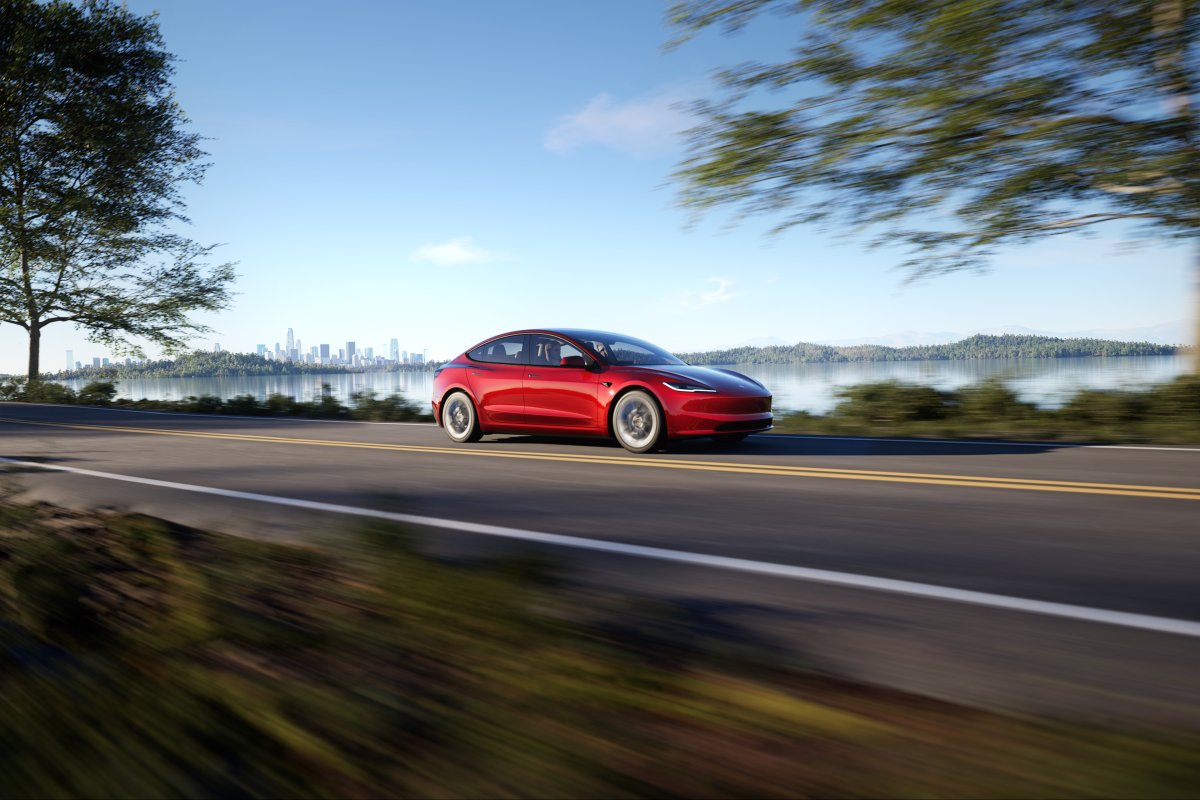

After a recent mid-June incident in which a Tesla Model 3 crashed into a home, preliminary findings from the National Transportation Safety Board (NTSB) indicate that the driver overrode FSD.
The driver, 44-year-old Michael Butler, said the vehicle was operating on FSD and accelerated on its own into the house, resulting in the death of 76-year-old Martha Avila. Investigators, however, determined that he overrode the vehicle’s speed by pressing the accelerator pedal.
Manual Override
Reports often misstate that FSD can overrule a human driver. In practice, FSD immediately yields to driver input. Because the system responds differently depending on the input, casual users may be confused. For example, tugging the steering wheel or pressing the brake pedal disengages FSD entirely. Pressing the accelerator keeps FSD engaged; the driver controls speed while FSD continues to steer.
This behavior was even more confusing a year or two ago. At that time, overriding the steering wheel would switch the car into Traffic-Aware Cruise Control, disabling auto steer while the vehicle still managed speed.
In the Katy, Texas crash, the NTSB recovered electronic data showing that Butler fully depressed the accelerator pedal, likely intending to tap the brake, and when the vehicle accelerated, he pressed the pedal fully again.
At that point, the driver was setting the vehicle’s speed even as FSD remained active. The software yielded control as designed, allowing the Model 3 to exceed 70 mph in a 30-mph residential zone.
Telemetry Versus Narratives
The NTSB’s preliminary report highlights the value of connected-vehicle telemetry. Without such data, investigators typically rely on skid marks and subjective accounts to reconstruct events.
Today, Tesla’s onboard data logging provides an indisputable, millisecond-by-millisecond record of driver and system states. Shortly after the crash, Tesla's Vice President of AI Software, Ashok Elluswamy, disclosed that the data showed a full manual override. The NTSB report now formally validates that disclosure.
While Butler told authorities he had "passed out" at the wheel, the sustained pressure on the accelerator pedal indicates otherwise.
Investigators reportedly found recent Google searches on Butler’s phone that included complaints that Tesla’s FSD was "not aggressive enough" and "too timid."
For everyday FSD users, the takeaway is straightforward: the system is designed to prioritize safety.



Condividi:
Tesla Opens World's First Public Megacharger Site
Tesla's 2026 Q2 Earnings Call: How to Listen