
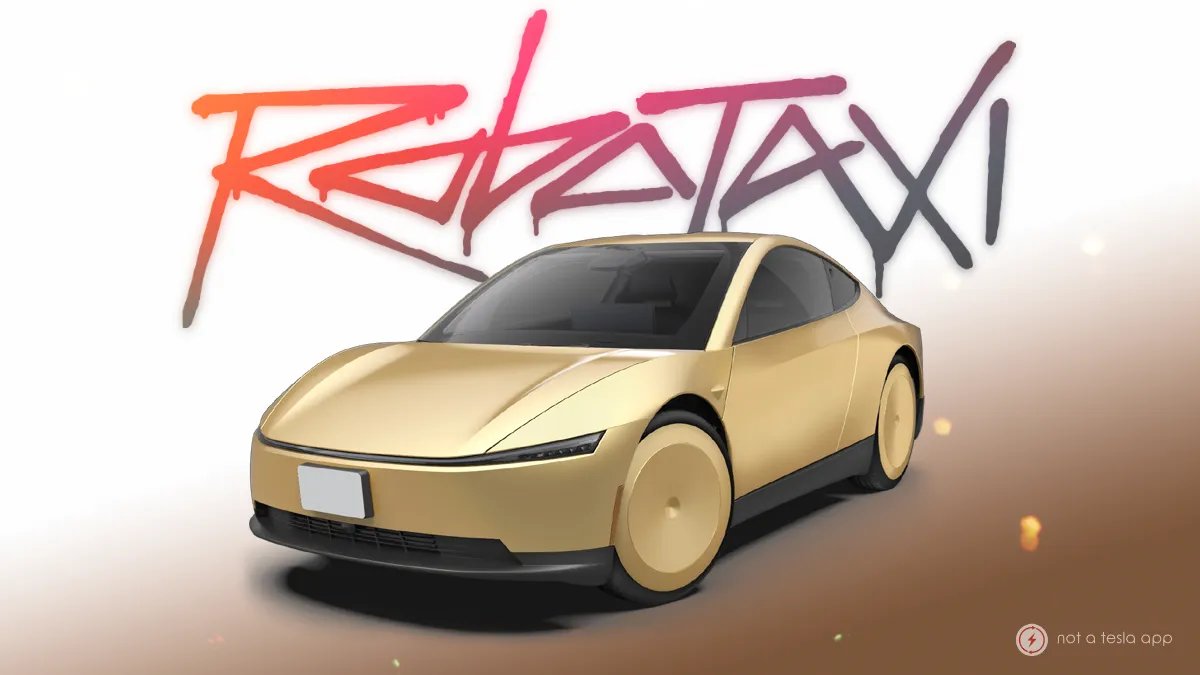

Tesla ha presentato il Cybercab pronto per la produzione ad Austin, durante un piccolo evento su invito, concentrandosi sull'hardware del veicolo, sulle innovazioni nella produzione e sull'esperienza di guida nel mondo reale per la sua piattaforma autonoma dedicata a due posti.
Dopo mesi di attesa e test su strada pubblici, il mese scorso Tesla ha annunciato l'evento di lancio del Cybercab, confermando Austin come sede. Senza un livestream pubblico, chi voleva seguire l'evento si è affidato agli aggiornamenti dei presenti, ma le presentazioni hanno offerto lo sguardo più chiaro mai avuto finora sul robotaxi appositamente progettato.
Keynote: Visione autonoma ed efficienza aerodinamica
Durante il keynote, il responsabile del software del veicolo Silvio Bruguda, il design manager Ian Kettle e il responsabile dell'autonomia Ashok Elluswamy hanno descritto la filosofia alla base del Cybercab.
Rispondendo alle argomentazioni secondo cui la guida autonoma richiederebbe LiDAR, radar e mappe HD, il team ha ribadito l'approccio basato esclusivamente sulla visione (pure-vision). Secondo Tesla, la sfida principale è l'intelligenza: prevedere i futuri eventi stradali con modelli di visione invece di dipendere da sensori pre-mappati poco flessibili.
L'azienda ha anche enfatizzato l'aerodinamica: il Cybercab raggiunge un coefficiente di resistenza aerodinamica inferiore a 0,20, posizionandosi tra i veicoli passeggeri più aerodinamici su strada pubblica.
Non ci sono stati aggiornamenti su una potenziale vendita del Cybercab a clienti privati per l'utilizzo sulla rete Robotaxi. L'attenzione è rimasta invece sulla produzione e sul ride-hailing commerciale. Un video completo della presentazione è stato condiviso da @SawyerMerritt su X.
Produzione “Unboxed” ed esposizioni hardware
Nell'area espositiva, i partecipanti hanno esaminato il processo di assemblaggio modulare “Unboxed” di Tesla per il Cybercab. I video di @DavidMoss e @BLKMDL3 su X hanno mostrato un display esploso, che permetteva di osservare i sotto-assiemi strutturali.
Invece di far passare una scocca in metallo stampato lungo un'unica linea lineare, Tesla assembla sottomoduli in parallelo (gigacasting anteriori, vassoi dei sedili e pannelli esterni) e li unisce alla fine.
“ha sbloccato una riduzione del 50% delle dimensioni della linea [di produzione] aumentando al contempo la produttività della linea stessa.”
Altre esposizioni hanno evidenziato l'hardware chiave. La pompa di calore Super Manifold V3 debutta nel Cybercab; Tesla ha dichiarato che è più efficiente del 38% rispetto ad altri sistemi termici e che l'80% della sua produzione è completamente automatizzato.

Anche l'unità di trasmissione era in mostra. Dotata di avvolgimenti del motore riprogettati, Tesla ha affermato che è più piccola del 18%, oltre che più leggera del 25% e più efficiente di alcune delle migliori unità di trazione elettrica in produzione.

Un display ha spiegato che il Cybercab è la prima Tesla a utilizzare un sistema brake-by-wire, eliminando tubi dei freni e liquido. Ogni pinza del freno utilizza un attuatore azionato elettricamente. L'eliminazione del liquido dei freni semplifica la manutenzione e la rimozione delle lunghe linee dei freni ha probabilmente favorito l'approccio produttivo Unboxed.

Un'altra esposizione presentava pannelli della carrozzeria color oro prodotti con stampaggio a iniezione reattiva (RIM). Iniettando la vernice direttamente nei pannelli durante la produzione, i tempi di ciclo scendono da ore per l'essiccazione della vernice a pochi minuti, e le emissioni della catena di approvvigionamento e di produzione per le parti realizzate con questo processo sono ridotte del 35%.

L'evento ha anche offerto uno sguardo più da vicino su come le antenne Starlink siano integrate direttamente nel tetto per una connettività più rapida e affidabile, come mostrato da @DavidMoss.
Specifiche dell'abitacolo, sicurezza e primi viaggi pubblici
Tesla ha rilasciato linee guida per i passeggeri e sulla sicurezza per il Cybercab. Nonostante l'ingombro compatto, la rimozione del piantone dello sterzo e dei pedali offre 43,4 pollici (110 cm) di spazio per le gambe anteriore, superando i 41,8 pollici (106 cm) della Model Y. Il bagagliaio posteriore contiene 20,2 piedi cubi (572 litri) e fino a 220 libbre (100 kg), ospitando due valigie da stiva, un passeggino piegato o una sedia a rotelle compatta.
La sicurezza in cabina utilizza nove telecamere e un sensore radar montato sul soffitto per determinare se un sedile contiene un adulto, un seggiolino per bambini o se è vuoto, adattando automaticamente l'attivazione degli airbag. Le portiere includono una chiusura meccanica dedicata che funziona senza alimentazione elettrica ed è integrata nel rilascio elettronico standard, debuttando con il nuovo design della maniglia a pulsante singolo di Tesla.

All'interno, uno schermo di infotainment da 21 pollici supporta l'Unreal Engine di Epic Games per animazioni avanzate dell'interfaccia utente e giochi. Le luci della cabina possono pulsare a ritmo di musica e i LED ambientali sotto i sedili si abbinano al colore della barra luminosa esterna del veicolo. Per la privacy, un indicatore verde si accende quando la telecamera interna è attiva e le app multimediali e la cronologia delle ricerche vengono cancellate dopo ogni corsa.

L'evento si è concluso con giri dimostrativi del Cybercab nel centro della città. Tesla sta testando da mesi Cybercab senza volante ad Austin e la flotta commerciale iniziale è ora disponibile per le corse sull'app Robotaxi ad Austin.


Condividi:
Cybercab si unisce alla flotta di robotaxi Tesla con tariffe più convenienti
Tesla Cybercab non supporta la ricarica in CA