
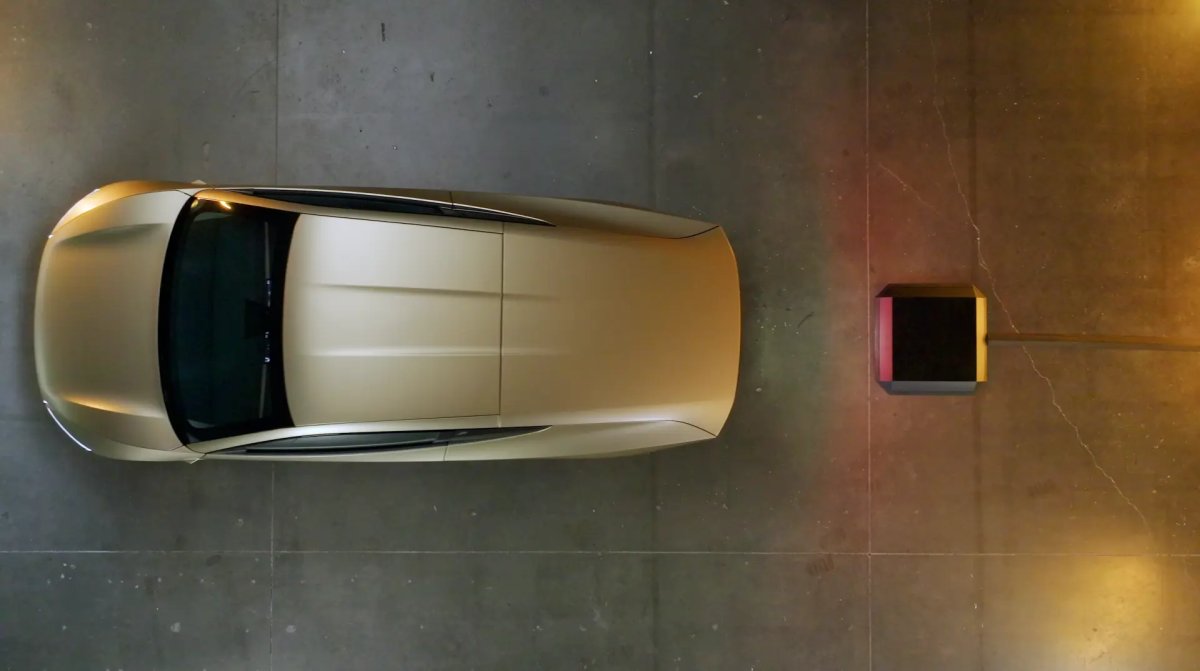
At the Model S and Model X Signature Edition delivery event at the Fremont factory earlier this week, Tesla highlighted a major milestone for its purpose-built Cybercab, underscoring the company’s emphasis on extreme efficiency.
The vehicle has been certified as the most efficient electric vehicle to date, with energy consumption of 165 watt-hours per mile—about 40% better than a standard Model 3. During the broadcast, Lars Moravy, Teslas VP of Vehicle Engineering, discussed how the platform establishes a new benchmark for real-world energy use.
Lars Moravy, VP of Tesla Vehicle Engineering, says the Tesla Cybercab is officially the most efficient EV ever certified at 165 Wh/mi!
— Nic Cruz Patane (@niccruzpatane) May 21, 2026
That’s around 40% more efficient than a Model 3. WOW. pic.twitter.com/rAvLlJUnE9
Redefining the Baseline for Autonomy
For a continuously operating commercial fleet, every watt saved improves margins. The milestone quickly drew attention online, with the official @robotaxi highlighting the vehicles status as the "most efficient EV ever.”
After the presentation, Eric E., Teslas Cybercab Engineering Lead, said the team is still advancing efficiency: "We have been and will continue to be relentless on Cybercab platform efficiency. 165 wh/mi is now the starting point," he noted on X.

This focus on reducing power draw is meant to minimize charging downtime. The less frequently the robotaxis need to recharge, the more time they can spend transporting riders and generating revenue. Such physical efficiency will be crucial as the platform expands beyond initial test regions to support a unified, potentially global, autonomous transit service.
Scaling the Robotaxi Fleet
The rollout of this highly optimized platform comes at a pivotal moment for Teslas ride-hailing efforts. The company officially kicked off production of the Cybercab at Giga Texas last month, and steering wheel-less units are already coming off the line in significant numbers. Tesla said during the Model S/X SE event that Giga Texas will ramp up to volume Cybercab production next week.

Tesla is operating limited commercial iterations of its Robotaxi network across Austin and the Bay Area, and recently expanded its fully unsupervised service to Dallas and Houston. While the current test fleets rely on consumer passenger vehicles, introducing a dedicated vehicle with a 165 Wh/mile footprint is expected to enable rapid, widespread scaling.
Overcoming Regulatory Hurdles
Although manufacturing footage indicates a priority on units without steering wheels or pedals, the company still needs to navigate local and federal safety requirements before a full commercial rollout. To remain flexible, Tesla has previously confirmed a contingency to ship the Cybercab with a traditional steering wheel if local rules require it.
Validation remains a priority, with engineering teams testing Cybercabs on public roads as production ramps up. As the software progresses alongside the hardware, the platforms efficiency suggests operating costs for autonomous transit could be low.




Partager:
Tesla Announces Q1 2026 Supercharger Voting Winners
Tesla Launches Tesla-Themed World Cup Gear