
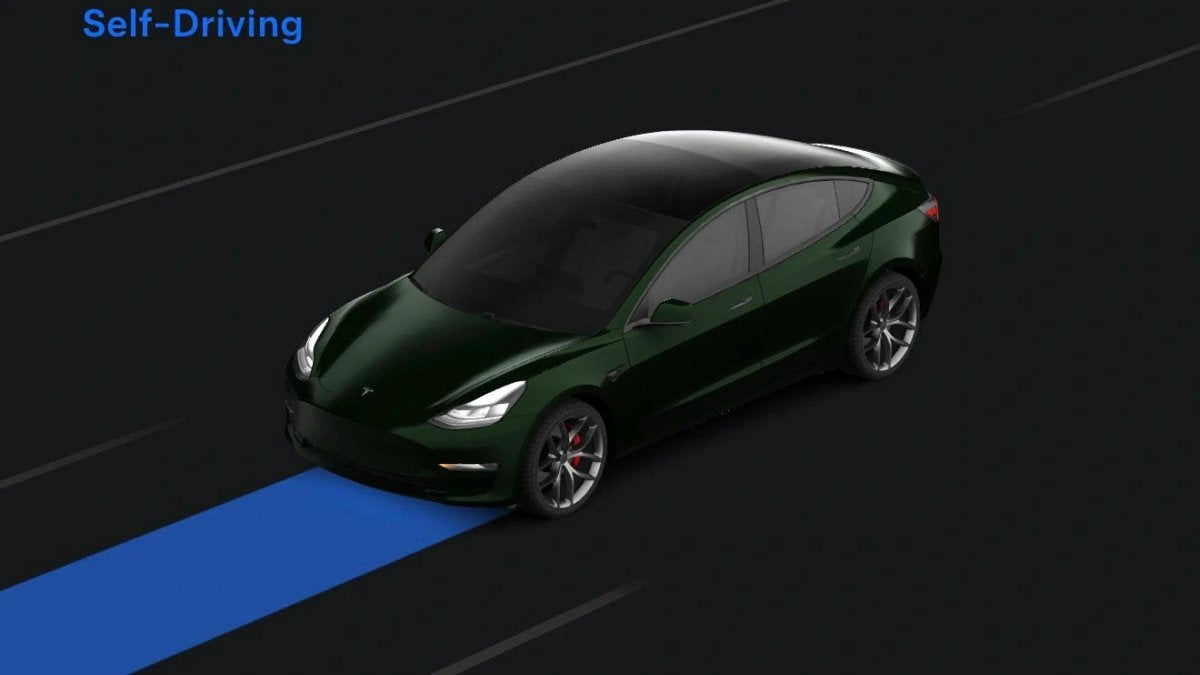

Tesla has confirmed it is actively developing a localized FSD (Supervised) v14 Lite build for right-hand-drive markets in Oceania, addressing owners of Hardware 3 (HW3/AI3) vehicles in Australia and New Zealand who have been awaiting news.
The notice was sent by email to regional owners; one recipient, @sam_mz20, shared the message on X. The email from Tesla Motors Australia stated:
“We’re currently rolling out FSD (Supervised) v14 Lite to users in North America and South Korea, with active development underway for Australia and New Zealand. This represents meaningful progress toward bringing the FSD (Supervised) feature to Hardware 3 vehicles; something we remain committed and dedicated to delivering.”
V14 LITE UPDATE 🇦🇺:
— Sam (@sam_mz20) August 28, 2026
Just received this in my email:
Active Development Underway ‼️
This is the first time we’ve received an actual update in months regarding hw3 cars from @TeslaAUNZ pic.twitter.com/Leg2BIc8kH
Bridging the Hardware 3 Capability Gap
FSD v14 Lite is a compressed version of the primary end-to-end neural network branch available on newer Hardware 4 (HW4/AI4) vehicles. Older HW3 computers only have about 15% of the memory bandwidth available on current AI4 computers, preventing them from running the uncompressed model.
Tesla has previously confirmed that HW3 vehicles will not support unsupervised autonomy or the upcoming FSD v15 update, making v14 Lite the final option for HW3. It is intended as a bridge while owners await promised upgrades to newer hardware, such as the AI4+ (or AI4.5) FSD computer announced earlier this year. One HW3 owner recently performed a DIY upgrade to HW4 to show it was possible.
FSD v14 Lite debuted in June, initially reaching select early access testers before the rollout paused. In July, Tesla released an additional update to v14 Lite, which led to a broader deployment. The feature then expanded publicly to North American owners and internationally to South Korea.
Careful Validation for Right-Hand Drive Roads
Additional time is being taken to validate and optimize software for Australia and New Zealand. Engineers must adapt navigation models for left-hand traffic, distinct road markings, and multi-lane roundabouts.

Thermal optimization is also a focus. Early fleet reports indicate that some HW3 FSD computers are overheating on v14 Lite due to the intense processing load of the compressed neural network. Validating driving safety and operating efficiency before a wider release across the Southern Hemisphere aims to prevent processor throttling during hot summer conditions.
As regional testing progresses, localized v14 Lite builds for Australia and New Zealand are expected once safety benchmarks are met. European owners are still awaiting official word on when the latest FSD update for HW3 vehicles could arrive.






Partager:
Tesla Increases Wheel and Tire Protection Plan Pricing
Rivian Adds Waze Integration, Should Tesla Follow Suit?