
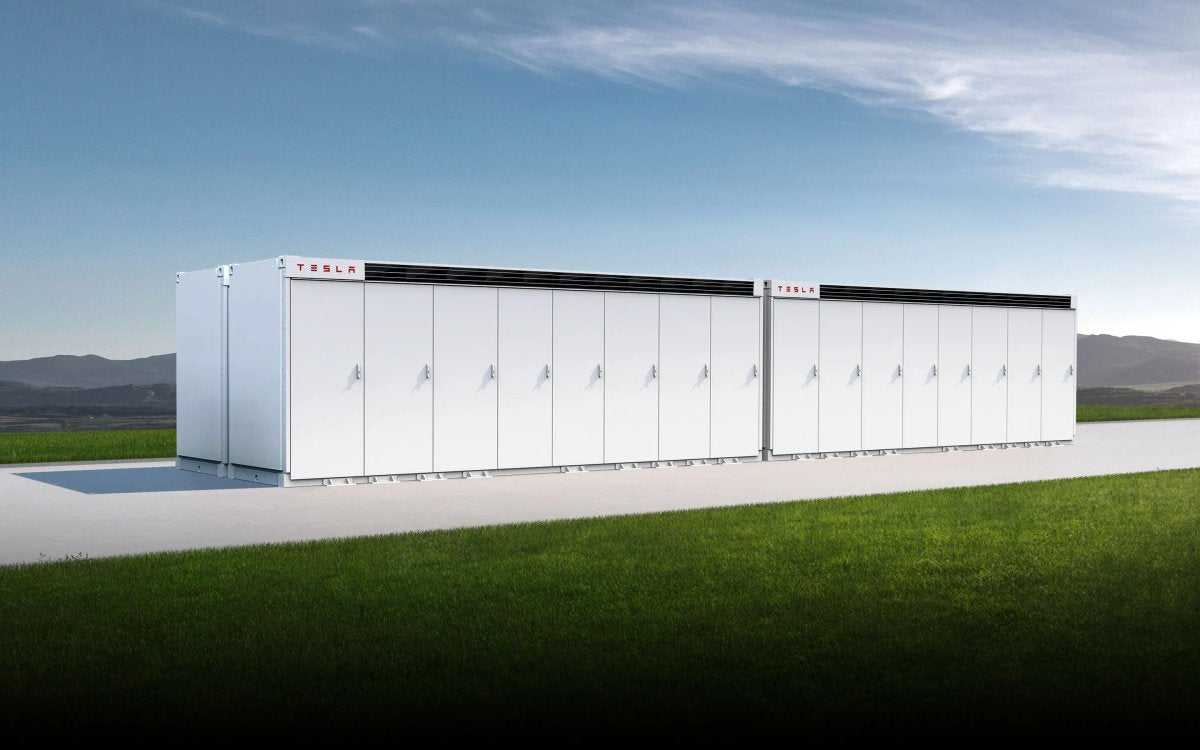

Tesla y LG Energy Solution han cerrado un importante acuerdo respaldado por el gobierno de EE. UU.: un plan de 4.300 millones de dólares para construir una fábrica de celdas de batería prismáticas de fosfato de hierro y litio (LFP) en Lansing, Michigan.
El acuerdo se anunció en la Cumbre de Seguridad Energética del Indopacífico, donde el Departamento del Interior de los EE. UU. declaró que "las celdas de fabricación estadounidense alimentarán los sistemas de almacenamiento de energía Megapack 3 de Tesla producidos en Houston, creando una sólida cadena de suministro nacional de baterías". El anuncio también confirma los informes preliminares de un acuerdo de fábrica de baterías entre Tesla y LG y establece que la producción comenzará en 2027.
Fortalecimiento de la cadena de suministro estadounidense de Tesla
La división de energía de Tesla es su segmento de más rápido crecimiento, logrando con frecuencia despliegues récord de Megapacks y Powerwalls. Para mantener ese ritmo, la empresa está profundizando la integración vertical. El abastecimiento de celdas LFP desde Michigan ayuda a evitar los riesgos geopolíticos y los aranceles vinculados a la importación de celdas de proveedores chinos como CATL y BYD.
Se prevé que la planta de Lansing tenga una capacidad anual de 50 GWh, lo que aumentará la planta de celdas LFP existente de Tesla en Sparks, Nevada. Junto con la refinería de litio de Tesla en Corpus Christi, Texas, la empresa está ensamblando una cadena de suministro nacional resiliente. La apuesta por la autosuficiencia también se extiende al silicio, con Elon Musk señalando recientemente el próximo lanzamiento del proyecto de fábrica de chips de IA "Terafab" a finales de esta semana.
Impulsando la próxima generación: Megapack 3 y Megablock
Las celdas LFP producidas en Michigan alimentarán los productos de almacenamiento industrial más nuevos de Tesla, presentados el otoño pasado. Megapack 3 es un rediseño desde cero de la unidad insignia de la compañía, que ofrece 5 MWh de energía utilizable y una bahía térmica simplificada que utiliza una bomba de calor mejorada del Model Y, lo que genera un 78% menos de conexiones y menos puntos de falla potenciales.
Tesla también está lanzando Megablock, una plataforma "plug-and-play" que integra estas unidades de próxima generación. Está diseñada para instalarse un 23% más rápido mientras reduce los costos de construcción en un 40%. Tesla tiene como objetivo una tasa de puesta en marcha de 1 GWh en solo 20 días hábiles, suficiente para alimentar 400.000 hogares en menos de un mes.
Por qué el LFP es el "rey indiscutible"
Para el almacenamiento estacionario, el LFP es muy adecuado para la tarea. Aunque no es tan ligero como las químicas basadas en níquel utilizadas en vehículos de alto rendimiento, es más duradero. Las celdas LFP pueden proporcionar más de 10.000 ciclos de carga, tienen prácticamente cero riesgo de incendio (fuga térmica) y evitan el uso de minerales costosos como el cobalto.
La fabricación de estas celdas en Michigan permite a los clientes de Tesla aprovechar al máximo los créditos fiscales bajo la Ley de Reducción de la Inflación (IRA) de EE. UU., lo que mejora el atractivo económico de las ofertas energéticas de Tesla para grandes proyectos a escala de servicios públicos frente a los competidores que aún dependen de baterías importadas.
A medida que Tesla Energy escala, este acuerdo de 4.300 millones de dólares posiciona a la empresa con el suministro de baterías necesario para satisfacer la creciente demanda de una red más limpia y fiable.








Compartir:
Tesla acaba de superar en ventas a todas las demás marcas de automóviles combinadas en Noruega
La revolución del Cybercab: Por qué el vehículo autónomo de 30.000 dólares de Tesla lo está cambiando todo