
Tesla is rapidly scaling Cybercab mass production, which kicked off in April at Gigafactory Texas. Recent EPA filings outlined some of the purpose-built robotaxi’s specs, and Tesla has now released an official document that fills in many missing details.
Tesla’s Cybercab First Responder Interaction Plan explains how emergency personnel should interact with the vehicle in public operations. Because the vehicle operates without a driver, the document describes how the robotaxi behaves, how to power it down, and discloses several previously unannounced hardware elements. Throughout the manual, Tesla refers to the vehicle as the "Cybercab Robotaxi" and explicitly defines its 'Autonomous Mode' as an SAE Level 4 self-driving system.

Battery Configuration
The guide confirms a dual-battery layout. For low-voltage systems, the Cybercab uses a 48-volt lithium-ion battery to power onboard electronics and computers. By contrast, consumer models such as the Model Y use a 12-to-16-volt architecture.

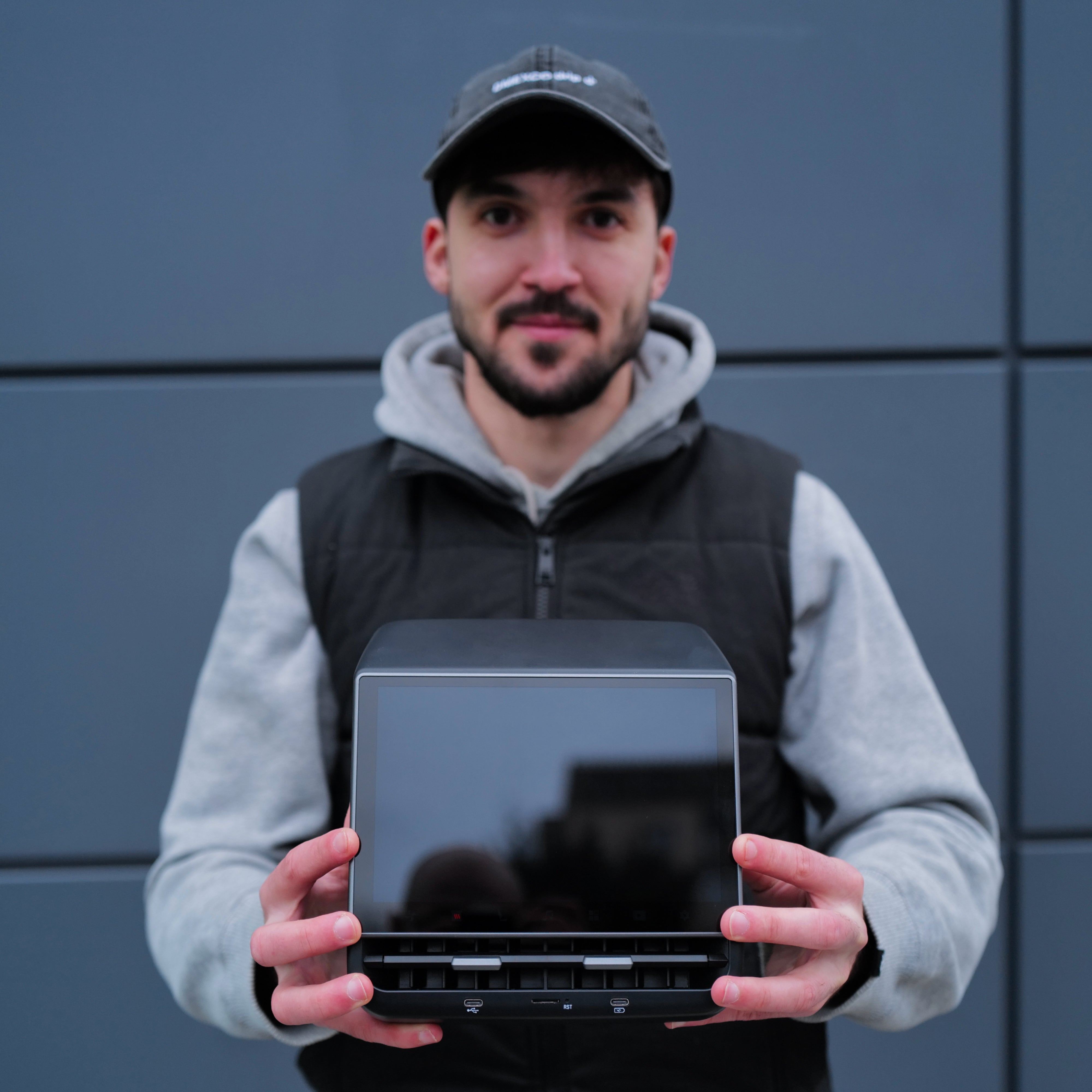
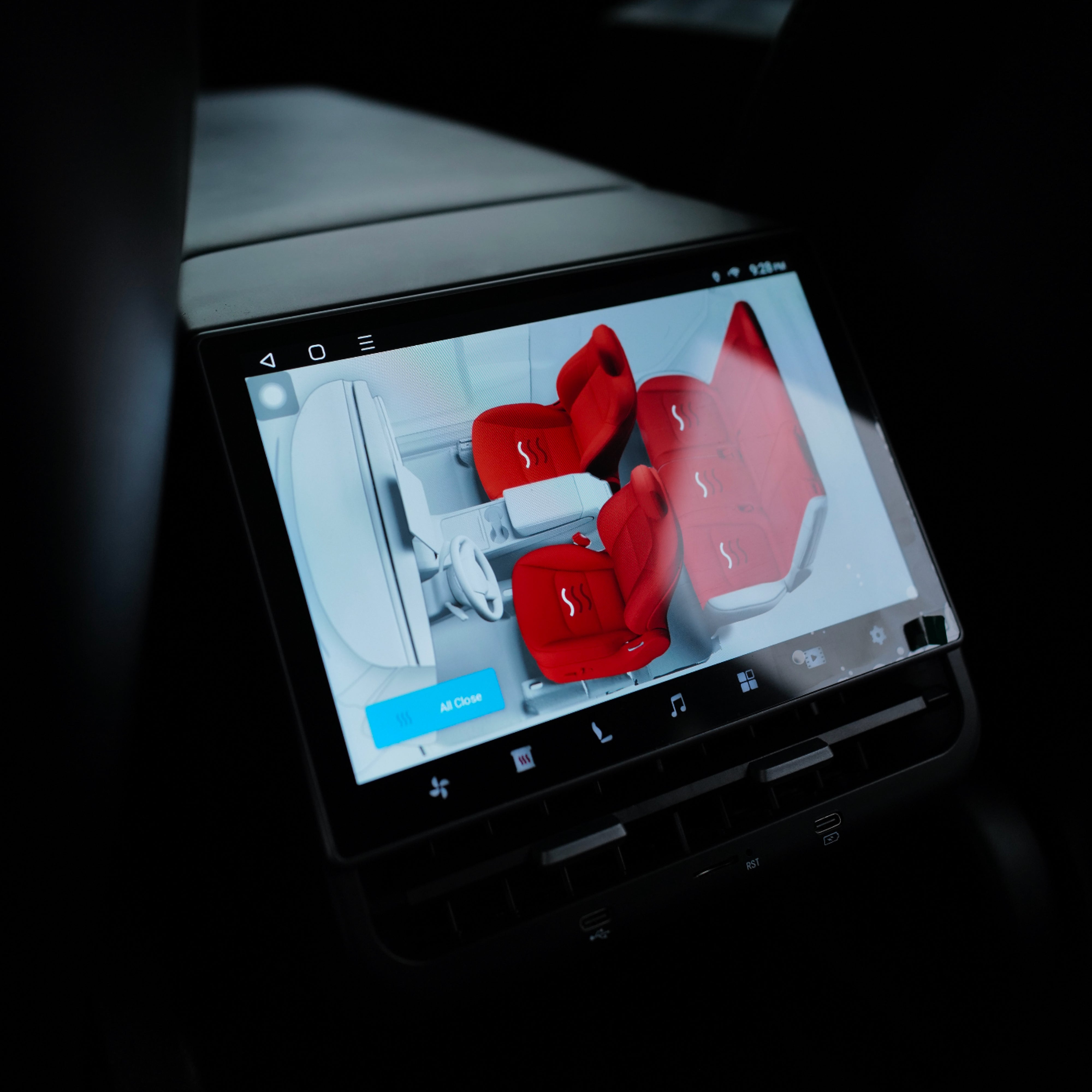
For propulsion, the vehicle employs a 400-volt lithium-ion high-voltage battery pack. Although some expected an 800-volt system similar to the Cybertruck’s framework, the Cybercab sticks with 400 volts, consistent with Tesla’s high-volume vehicles. The documentation’s electronic diagrams also indicate that the production Cybercab omits wireless phone charging; instead, passengers can charge via USB-C ports positioned directly below the central touchscreen.
Emergency De-Powering
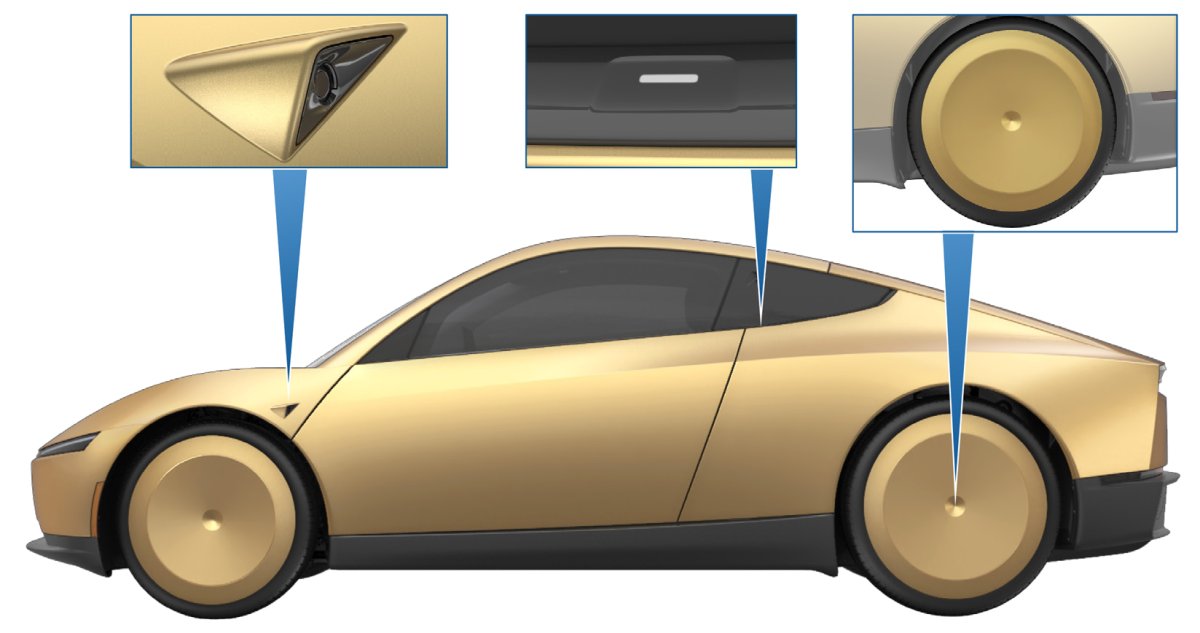
If the vehicle stops in a hazardous location, first responders can still maneuver it using onboard controls. The Cybercab also includes physical redundancies: two separate First Responder Loops. Cutting and removing a section of either loop disconnects power to the entire vehicle, though full de-powering can take up to two minutes. The primary loop sits under the hood, while a backup loop is located behind two steel panels underneath the B-pillar applique.
External Microphones
The Cybercab introduces external microphones mounted on the B-pillars, paired with loudspeakers integrated into the lower chassis. These enable passengers or emergency workers to communicate directly with remote Robotaxi Support without opening the doors. An Active Hood system also deploys during a pedestrian collision to help mitigate injuries.

Built-In Tow Straps
Unlike most of Tesla’s vehicles, the Cybercab must be towed with all four tires off the ground. It is equipped with a dedicated tow strap (and, in some cases, a carabiner) accessible by unscrewing and then rotating the front license plate.
Wheel Cover Removal
The Cybercab features gold wheel covers on all four wheels. These act as hubcaps and extend outward to shield the tires’ sidewalls, and they can be removed when necessary, such as to reach the lug nuts or the valve stem.

To remove a wheel cover, grip the flexible outer ring and pull it toward you around the entire circumference of the cover to release all retaining clips.
Hidden Details and Safety Systems
The first responder guide lists at least 10 airbags, including front, knee, curtain, and seat-mounted side airbags on both the inner and outer sides of the seats. For occupant safety, the vehicle immediately stops driving and shifts into park as soon as a passenger unbuckles their seatbelt or opens a door.
Additional mechanical notes include: the battery cooling fluid is bright orange for easy identification; each external camera has its own washing system aided by pressurized air canisters to keep lenses clear; and if the charge port fails while charging, a manual emergency charge cable release is located behind the lining of the rear wheel well.
Real-World Robotaxi Operations
The plan describes how the Cybercab navigates without a driver. When not carrying a passenger, it may roam within its operating area, head to a parking lot, or drive itself to a charging/service station. If it experiences a hardware fault or loses connectivity, it rapidly flashes the hazard lights and attempts to pull over safely.
The Cybercab is designed to operate on all public roadways, including freeways, highways, city streets, rural roads, and parking lots/garages. It can manage airport pick-up zones, handle car washes, navigate around traffic cones, and interpret clear hand gestures from emergency personnel. It is capable of driving during the day and at night and can handle light to moderate rain, fog, and snow.
In parallel with publishing the emergency manual, Tesla began testing production Cybercab units with no steering wheels, pedals, or other manual driving controls on public roads in Austin. The regulatory landscape is also evolving, with NHTSA recently ending its requirement for brake pedals on autonomous vehicles.



Share:
Tesla Hit By Wave of Battery Thefts at Gigafactory Nevada
Tesla Hires Intel Veteran for TERAFAB Chip Project