
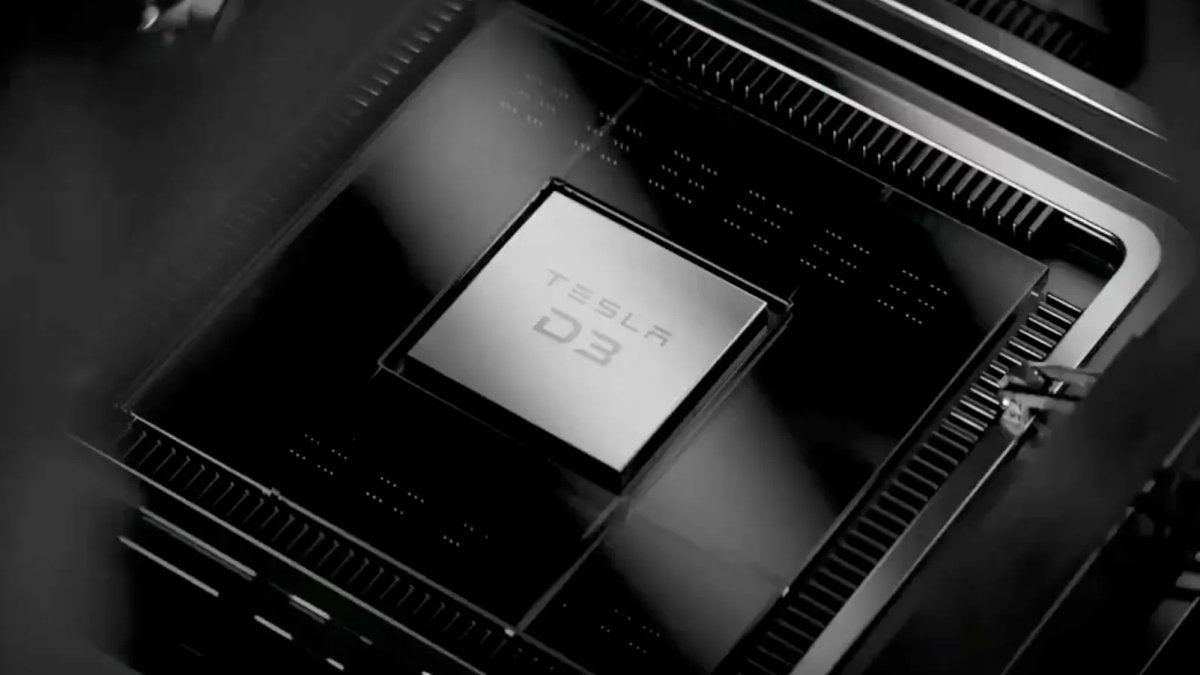

Cuando Elon Musk hizo su presentación en el reciente evento TERAFAB, la ambición fue extraordinaria: construir 1 TWh de capacidad de computación al año. Trabajando en conjunto, Tesla, SpaceX y xAI aspiran a capturar una parte sustancial de la producción mundial de silicio.
Los analistas señalaron rápidamente a ASML como el cuello de botella central. La empresa holandesa tiene el monopolio de los sistemas de litografía ultravioleta extrema (EUV) necesarios para los chips de vanguardia, y su cartera de pedidos se extiende por años. No se puede simplemente pedir una flota de máquinas EUV de alta apertura numérica (High-NA) y esperar la entrega al año siguiente.
Para construir lo que podría ser la operación de hardware de IA más grande del mundo sin quedar atrapado en ese cuello de botella, el plan combina una alianza recién formada con Intel, un cambio hacia el nitruro de galio (GaN) y una reinvención del empaquetado de chips de IA.
ASML y los chips modernos
ASML es el punto de estrangulamiento definitivo para la fabricación de semiconductores de vanguardia. Es el único productor de máquinas de litografía EUV, que despliegan longitudes de onda de luz extremadamente cortas para trazar circuitos intrincados en obleas de silicio.
Para fabricar la lógica más avanzada en nodos densos de 3 nm o 2 nm, la tecnología EUV es obligatoria. Debido a que ASML es el único proveedor y cada sistema requiere meses para su fabricación y calibración, los pedidos siguen acumulándose. Para un programa del tamaño de TERAFAB, esperar años por una flota de herramientas EUV no es una opción práctica.
El camino de los chiplets de GaN
Una pieza fundamental es la asociación entre Tesla, SpaceX e Intel. A medida que ese acuerdo tomaba forma, Intel anunció un gran avance en la arquitectura de chiplets de nitruro de galio (GaN): desarrollos estrechamente sincronizados.
Intel Foundry presenta el chiplet de GaN más delgado del mundo (19 μm).
— Intel Foundry (@Intel_Foundry) 8 de abril de 2026
Al integrar el control de potencia y digital en un solo chiplet, ofrece mayor eficiencia, una conmutación más rápida y diseños más pequeños.
Más información: https://t.co/EvI9UVxktY#IntelFoundry #Semiconductors pic.twitter.com/mEmIWHbXZx
La escala lógica tradicional del silicio depende de una miniaturización implacable a 3 nm y 2 nm, lo que requiere el equipo EUV más avanzado de ASML, que tiene una larga lista de espera. El GaN sigue una física diferente, tolerando voltajes, temperaturas y frecuencias significativamente más altos que el silicio.
Debido a esas ventajas materiales, se pueden construir chiplets de GaN altamente eficientes en nodos algo más maduros utilizando la ampliamente disponible litografía ultravioleta profunda (DUV). Al priorizar las arquitecturas de GaN, TERAFAB puede evitar la cola para las máquinas de última generación de ASML y, al mismo tiempo, lograr importantes ganancias en eficiencia energética.
Tolerancia a la radiación y computación espacial
El paso al GaN también satisface los requisitos de SpaceX. El silicio es altamente susceptible a la radiación, por lo que las redes neuronales avanzadas en el espacio han necesitado tradicionalmente un blindaje voluminoso y costoso.
El GaN es intrínsecamente resistente a la radiación. Al centrar la arquitectura en chiplets de GaN, TERAFAB crea efectivamente hardware listo para el espacio y disponible comercialmente. Esto encaja con el plan más amplio de desplegar grandes centros de datos de xAI alimentados por energía solar en la órbita terrestre baja a través de Starship, lo que permite escalar sin forzar la red eléctrica terrestre.
Empaquetado avanzado sobre reducción de nodos
Otra estrategia para evitar el cuello de botella de ASML es el compromiso con los "paquetes completos", que incluyen la integración de memoria NAND directamente junto a los núcleos de computación.
En lugar de intentar un solo dado monolítico impecable en un nodo de 2 nm con retrasos, TERAFAB emplea empaquetado 3D avanzado. Los chiplets más pequeños y especializados se pueden producir en nodos maduros y luego interconectarse utilizando tecnologías de Intel como Foveros o sustratos de vidrio.
Al consolidar la lógica, el suministro de energía y la memoria NAND en un paquete estrechamente integrado, las velocidades de transferencia de datos entre los componentes aumentan drásticamente.
Este enfoque logra rendimiento a través de la ingeniería de empaquetado en lugar de una mayor reducción de la litografía.
Fuerza bruta e integración vertical
La escala es una palanca final. Empresas como Nvidia y Apple compiten por la capacidad de ASML porque sus chips deben caber en racks de servidores con límites térmicos estrictos o en teléfonos con baterías pequeñas.
El método de Musk está totalmente integrado verticalmente. Tesla y xAI controlan la generación de energía, los sistemas de refrigeración, los racks de servidores y el compilador de software. Si un chip de TERAFAB es algo más grande porque se produjo en un nodo maduro en lugar de con un proceso EUV, eso es aceptable: construyen un rack más grande, lo alimentan con Tesla Megapacks y lo enfrían con circuitos líquidos especializados.
Al combinar los avances en GaN de Intel, el empaquetado 3D avanzado y la disposición para satisfacer las necesidades de computación con infraestructura a gran escala, este plan establece un camino hacia 1 TWh de capacidad de cómputo que evita la lista de espera de ASML.



Compartir:
Notas de la versión 2026.2.9.7
El nuevo proveedor de baterías LFP de Tesla tiene capacidades de carga más rápidas