
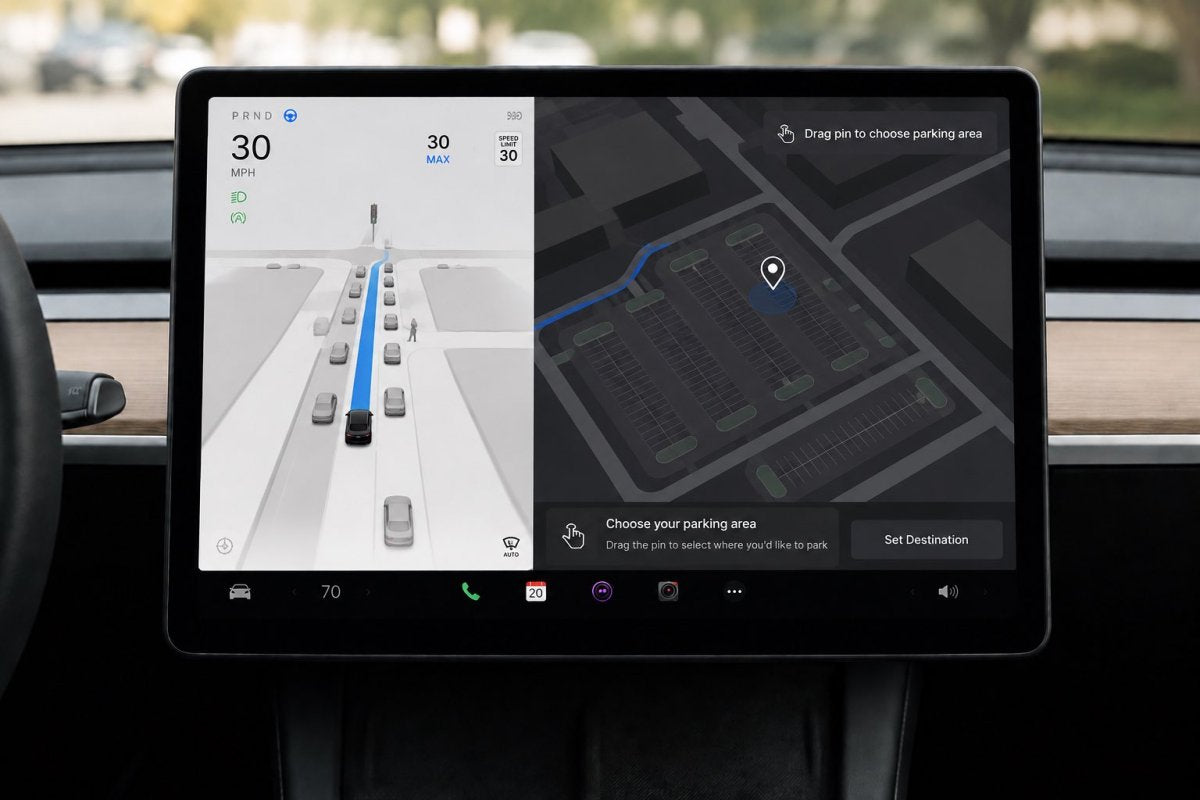
Sehen Sie zu, wie Teslas FSD auf einem Parkplatz nach einer neu frei gewordenen Lücke sucht

Teslas Full Self-Driving (überwacht) hat sich auf Autobahnen und in Städten stetig verbessert, doch das Parken am Zielort frustriert viele Fahrer weiterhin. Automatisiertes Einparken bleibt ein häufiger Grund für das Eingreifen des Fahrers.
Besitzer berichten oft, dass das System am Ende einer Fahrt unpraktische Plätze wählt – zum Beispiel weit weg vom Eingang auf einem ansonsten leeren Parkplatz – oder versucht, Behinderten- oder reservierte Parkplätze zu nutzen, was den Fahrer zum Eingreifen zwingt.
Ein kürzlich veröffentlichtes Video eines Besitzers legt nahe, dass neben Fortschritten bei Sicherheit, Laufruhe und Entscheidungsfindung auf öffentlichen Straßen auch das Verhalten des Systems auf Parkplätzen voranschreitet.
Eine Lücke in Echtzeit erkennen
Ein von @TennesseeTesla auf X geposteter Clip zeigt einen bedeutenden Wandel in der Parklogik. In dem Video fährt ein Tesla mit FSD v14.3.3 hinter einem blauen Pickup über den vollen Parkplatz eines Restaurants.
Als der Pickup in eine Parklücke fährt, erwartet der Fahrer, dass das Auto dahinter anhält. Stattdessen legt das Fahrzeug den Rückwärtsgang ein und fährt mit 1 mph (ca. 1,6 km/h) über einen beachtlichen Teil des Parkplatzes zurück, wobei es anhält, um einem Fußgänger Vorrang zu gewähren, der hinter ihm entlanggeht.
Nachdem der Fußgänger vorbeigegangen ist, setzt das Auto das Rückwärtsfahren in der Fahrgasse fort und parkt rückwärts in eine gerade frei gewordene Lücke in der Nähe des Geschäftseingangs ein – ein Platz, der erst frei wurde, nachdem das Auto bereits vorbeigefahren war. Die Abfolge – festzustellen, dass es vorne keine Plätze gab, eine neue Lücke hinter sich zu erkennen und sicher rückwärts dorthin zu fahren – fiel dem Fahrer besonders auf.
Das hat mich umgehauen. FSD V14.3.3 fährt rückwärts über einen ganzen Parkplatz, um einen neu frei gewordenen Parkplatz zu ergattern. @DirtyTesLa @elonmusk pic.twitter.com/nedhZwOMMc
— Honky Stonk (@TennesseeTesla) 8. Juni 2026
Verfeinerung am Ende der Fahrt
Das Parken ist seit Langem ein Schwachpunkt für Full Self-Driving-Nutzer, von denen sich viele eine präzisere Steuerung wünschen, um das System zu einem bestimmten Platz zu lenken. Dass nun eine klarere Logik bei diesem Prozess angewendet wird, ist ein ermutigendes Zeichen.
Tesla hat mit FSD v14.1 eine Option zum „Parken am Zielort“ eingeführt, mit der man festlegen kann, wie und wo das Fahrzeug bei der Ankunft anhält, aber eine individuelle Auswahl eines einzelnen Parkplatzes ist immer noch nicht möglich. Diese Option arbeitet mit der standardmäßigen Parklogik von FSD zusammen, die versucht, einen geeigneten Anfahrtsweg zum Ziel zu wählen.
Das beobachtete Verhalten von FSD v14.3.3 zeigt, dass Teslas automatisches Einparken reift – weg vom blinden Suchen und willkürlichen Wählen eines Platzes hin zum Erkennen von Verfügbarkeiten und dem Anpassen in Echtzeit.


Teilen:
Könnte dieses neue Apple-Feature endlich CarPlay zu Tesla bringen?
Musk: Tesla-KI-Chip wird Effizienzrekorde brechen