
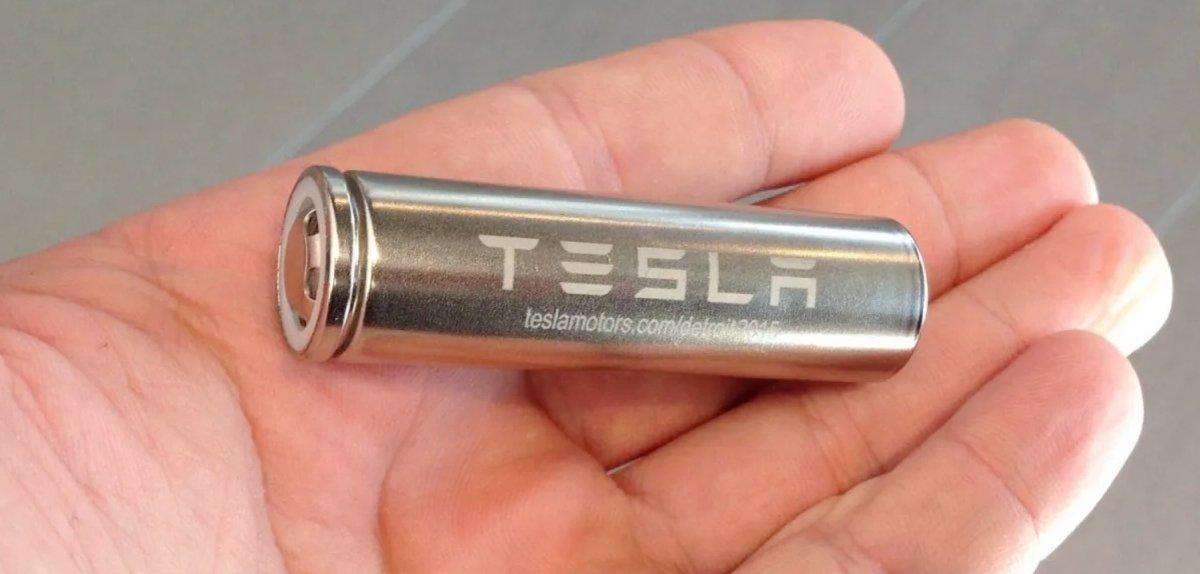

Tesla hat Berichten zufolge sein Liefernetzwerk für Batterien durch die Aufnahme von Sunwoda Electric Vehicle Battery als Zellenlieferant erweitert. Laut einem Bericht von 36Kr bezieht Tesla nun Batteriezellen von Sunwoda, womit das Unternehmen Teslas fünfter globaler Lieferant für Antriebsbatterien wird. Der Schritt soll die Produktionskosten senken und die Widerstandsfähigkeit der Lieferkette stärken.
LFP-Technologie der dritten Generation
Die Zellen von Sunwoda nutzen die Lithium-Eisenphosphat-Chemie (LFP) der dritten Generation und unterstützen Laderaten von bis zu 3C. Mit dem Vorhaben vertraute Quellen geben an, dass die Lieferungen aus dem Sunwoda-Werk in Yiwu in der Provinz Zhejiang bereits begonnen haben.
3C-Laderaten
Die „C-Rate“ gibt an, wie schnell eine Batterie im Verhältnis zu ihrer Gesamtkapazität geladen oder entladen werden kann. Bei 1C kann eine Batterie theoretisch in einer Stunde vollständig aufgeladen werden. Bei 3C würde eine vollständige Ladung etwa ein Drittel einer Stunde oder rund 20 Minuten in Anspruch nehmen.
Zum Vergleich: Teslas aktuelle Premium-NCA-Zellen (Nickel-Cobalt-Aluminium) können bei einer Ladeleistung von 250 kW an einem Supercharger kurzzeitig 3C erreichen, jedoch sinkt die Ladekurve mit steigendem Ladezustand erheblich, was zu einer deutlich niedrigeren Durchschnittsrate über den gesamten Ladevorgang führt.
Teslas derzeitige LFP-Akkupakete für Standard-Reichweiten sind konservativer ausgelegt und erreichen in der Regel etwa 1C oder 2C. Der Umstieg auf 3C-LFP-Zellen von Sunwoda würde die Zeit, die für ein Laden von 10 auf 80 Prozent bei den Einstiegsmodellen benötigt wird, deutlich verkürzen.
Während 3C einen bedeutenden Schritt für Teslas LFP-Portfolio darstellt, schreitet die breitere chinesische Batterielandschaft schnell voran. Zeekr hat beispielsweise eine LFP-„Golden Battery“ mit einer Einstufung von 5,5C vorgestellt, die ein Fahrzeug in knapp unter 10 Minuten von 10 auf 80 Prozent aufladen kann.
Fokus auf Exporte
Obwohl die Giga Shanghai Teslas Werk mit dem höchsten Volumen ist, sind die Batterien von Sunwoda derzeit nicht für Kunden in China bestimmt. Dem Bericht zufolge werden diese Zellen nur in Fahrzeugen verbaut, die im Werk Shanghai produziert und für den Export vorgesehen sind. Es gibt keinen genannten Zeitplan für eine mögliche Verwendung in Fahrzeugen, die innerhalb Chinas verkauft werden.
Infolgedessen werden diese mit Sunwoda-Batterien ausgestatteten Fahrzeuge in andere asiatisch-pazifische Märkte sowie nach Europa verschifft – in die Regionen, die von der Giga Shanghai bedient werden.
Wandel in der Fertigungsstrategie
Diese Partnerschaft spiegelt auch einen Wandel in Teslas Ansatz zur Batterieintegration wider. In der Vergangenheit kaufte Tesla vormontierte Batteriemodule von Lieferanten wie CATL. Bei Sunwoda kauft Tesla rohe prismatische Zellen und wird die Batteriemodule sowie die kompletten Akkupakete selbst montieren.
Die interne Abwicklung der Modul- und Paketmontage verschafft Tesla eine bessere Kontrolle über die endgültigen Batteriekosten.
Kostensenkung
Da sich der Wettbewerb auf dem globalen Markt für Elektrofahrzeuge verschärft, ist die Sicherstellung des Zugangs zu erschwinglichen und zuverlässigen Batterielieferungen entscheidend. Die Aufnahme von Sunwoda diversifiziert Teslas Lieferkette und verringert die starke Abhängigkeit von CATL als primärem chinesischen Lieferanten. Der zusätzliche Wettbewerb verbessert Teslas Verhandlungsmacht, was wichtig ist, um die Bruttomargen im Automobilbereich zu stützen und die Fahrzeugpreise im asiatisch-pazifischen Raum und darüber hinaus äußerst wettbewerbsfähig zu halten.




Teilen:
Wie Elon Musk den ASML-Engpass umgehen will, um TERAFAB zu bauen
Tesla FSD endlich in Europa zugelassen: Was das für Besitzer bedeutet (und warum HW3-Nutzer frustriert sind)