
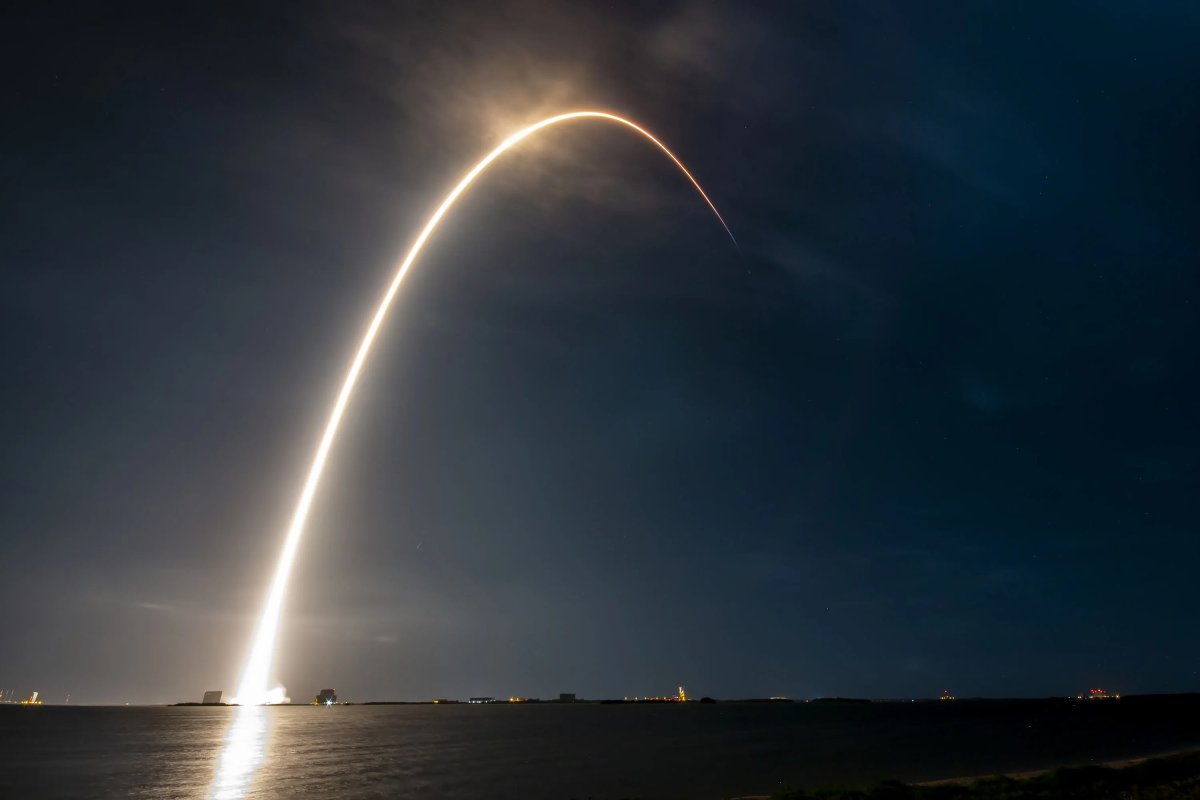

When SpaceX introduced its Direct to Cell Starlink initiative, it was widely expected to function mainly as an emergency fallback, enabling SOS texting and slow messaging for users far beyond conventional coverage.
SpaceX now says it is targeting high-speed 5G service transmitted straight from orbit to standard, unmodified cellular modems, removing the need for ground-based cell towers. If realized, this approach could reshape telecom and potentially deliver a stronger version of Premium Connectivity for Tesla.
Link Budget
At the International Telecommunication Union’s Space Connect conference, SpaceX satellite policy lead Udrivolf Pica outlined a new performance goal for Starlink Direct to Cell.
“We are aiming at peak speeds of 150Mbps per user,” Pica stated. “So something incredible if you think about the link budgets from space to the mobile phone”.
Today’s cellular Starlink is estimated to reach about 4 Mbps per user, which only supports low-resolution video and basic browsing. A jump to 150 Mbps would position the service as a true rival to terrestrial networks. For comparison, median download speeds on terrestrial 5G are currently 172 Mbps for AT&T and 309 Mbps for T-Mobile.
To make this significant increase possible, SpaceX plans to use radio spectrum acquired from EchoStar. The additional bandwidth provides a wider data channel, enabling broadband scenarios such as high-definition streaming from Low Earth Orbit.
Enhancing Premium Connectivity
While this advance would benefit smartphone users in remote regions, it also carries major implications for Tesla’s platform.
Tesla currently relies on traditional carriers (such as AT&T in the United States) to support its Premium Connectivity features, including live traffic visualization, music streaming, and more. Because these services depend on terrestrial towers, vehicles can still encounter dead zones in rural or mountainous areas.
If SpaceX can reliably deliver 150 Mbps to a standard cellular modem without a dedicated Starlink dish, Tesla could, in principle, adopt the same Direct to Cell capability in future vehicles with minimal or no changes to existing modems.
Shifting the fleet’s cellular data costs from external carriers to SpaceX would also keep millions of dollars in recurring subscription revenue within the broader Elon Musk ecosystem, benefiting both SpaceX and Tesla.
Looking Over the Horizon
SpaceX targets late 2027 to debut the enhanced cellular Starlink offering, aligning with the completion of the EchoStar spectrum transaction. Traditional carriers are not disappearing, but the prospect of 150 Mbps delivered directly from space moves Tesla closer to a fully connected, untethered autonomous vehicle.







Teilen:
Tesla Confirms Hollywood Diner Built From Recycled Cybertruck Steel
Tesla Cybercab Lead Quits Just Months Before Mass Production