
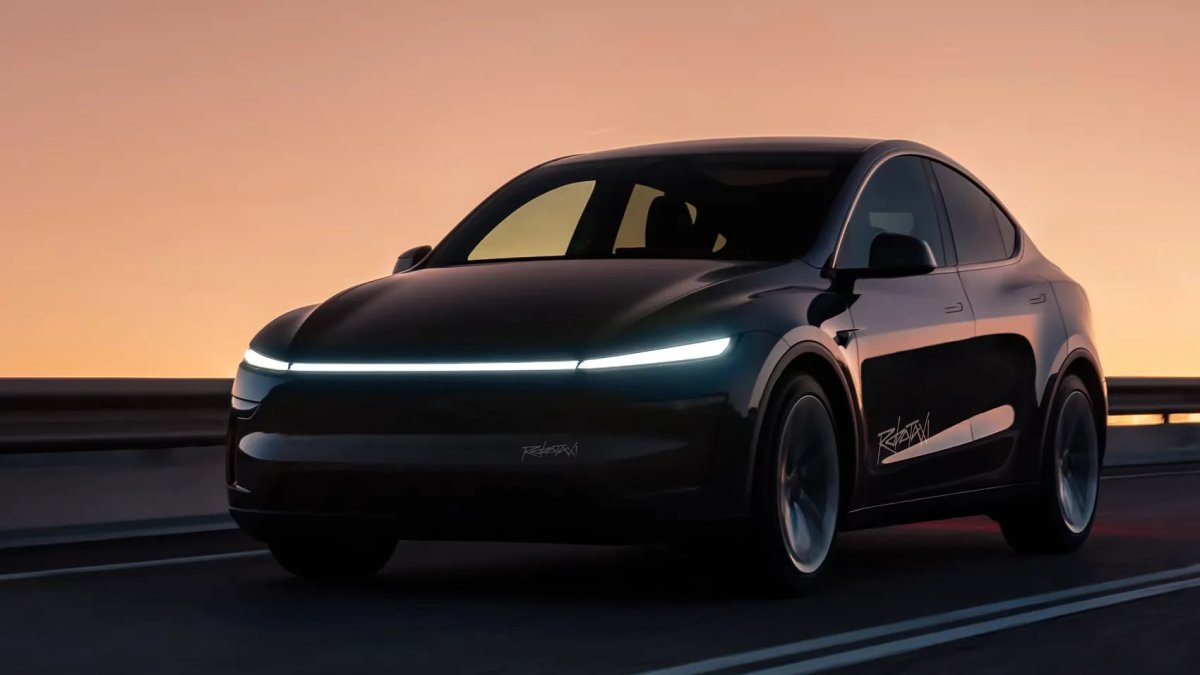
As autonomous ride-hailing grows across the U.S. with Tesla’s Robotaxi service and Alphabet’s Waymo, established gig platforms are turning to legislation to keep driverless fleets connected to their apps rather than focusing only on building vehicles.
According to the Financial Times, Uber has been lobbying state and federal officials to mandate hybrid networks in which human drivers and autonomous vehicles operate on the same platform.
The Push for 85% Human Drivers in New Jersey
New Jersey lawmakers are considering a three-year pilot to create a regulatory framework for testing and deploying driverless vehicles. Uber lobbyists are seeking an additional provision that would require any platform offering robotaxi services to have human drivers complete at least 85% of all rides during the pilot.
If enacted, the requirement would pressure companies such as Tesla and Waymo, which run dedicated autonomous ride-hailing apps, to channel trips through Uber and similar third-party platforms that maintain large pools of human drivers.

For Tesla, the proposal would come on top of existing hurdles in the draft legislation that would essentially ban its Robotaxi vehicles from operating in New Jersey unless more sensors are added. The bill requires commercial driverless vehicles to include at least two distinct sensor modalities (like LiDAR and radar) alongside cameras, effectively ruling out Tesla’s camera-only system.
Beyond sensor requirements, the bill directs operators to:
- Complete 50,000 miles of supervised in-state testing with a human safety driver.
- Submit full safety certifications, proof of insurance, and law enforcement interaction plans.
- Report all vehicle collisions to the New Jersey Department of Transportation within five days.
Adding a mandate to operate only on a hybrid network would be a significant barrier for direct-to-consumer models. Tesla has historically avoided third-party platforms, deciding against operating its Robotaxi vehicles on Uber and instead routing rides through its own app.

Growing Friction Between Waymo and Uber
Uber’s legislative efforts are straining ties with partners. The Financial Times report said Waymo is exploring an exit from its operating deal with Uber. Waymo has informed Uber that it plans to launch independently—with its own app—in key markets such as Austin and Atlanta when its contract allows in January 2028.
The relationship has worsened over service quality and routing disputes. Waymo questioned Uber’s vehicle cleanliness and routing management after dozens of cars clogged an Atlanta cul-de-sac. Uber has raised concerns about weather-related vehicle unavailability and safety incidents, including instances where Waymo’s autonomous vehicles passed stopped school buses in Austin.
Standing Ground Against Regulatory Pressure
These policy fights come as Tesla accelerates deployment, recently crossing 380,000 unsupervised Robotaxi miles and announcing expansion into additional states after recent commercial launches. The Robotaxi network began offering fully unsupervised rides in three new cities this month—first in Miami, followed by Orlando and Tampa.

Although Tesla’s autonomous fleet is only a fraction of Waymo’s, its camera-only Model Y robotaxis are already providing paid rides with no safety drivers or monitors onboard in at least six markets and are expanding quickly. Meanwhile, Tesla has also begun publicly testing steering wheel-less Cybercabs that will replace the Model Y as the workhorse of its Robotaxi service. As purpose-built autonomous vehicles move toward mass production and wider deployment, navigating state-level legislative requirements remains central to Tesla’s direct-to-consumer Robotaxi strategy.





Condividi:
New U.S. Car Safety Rules Could Force Tesla to Redesign Door Handles
Tesla to Make Design and Software for Model S and Model X Open Source