
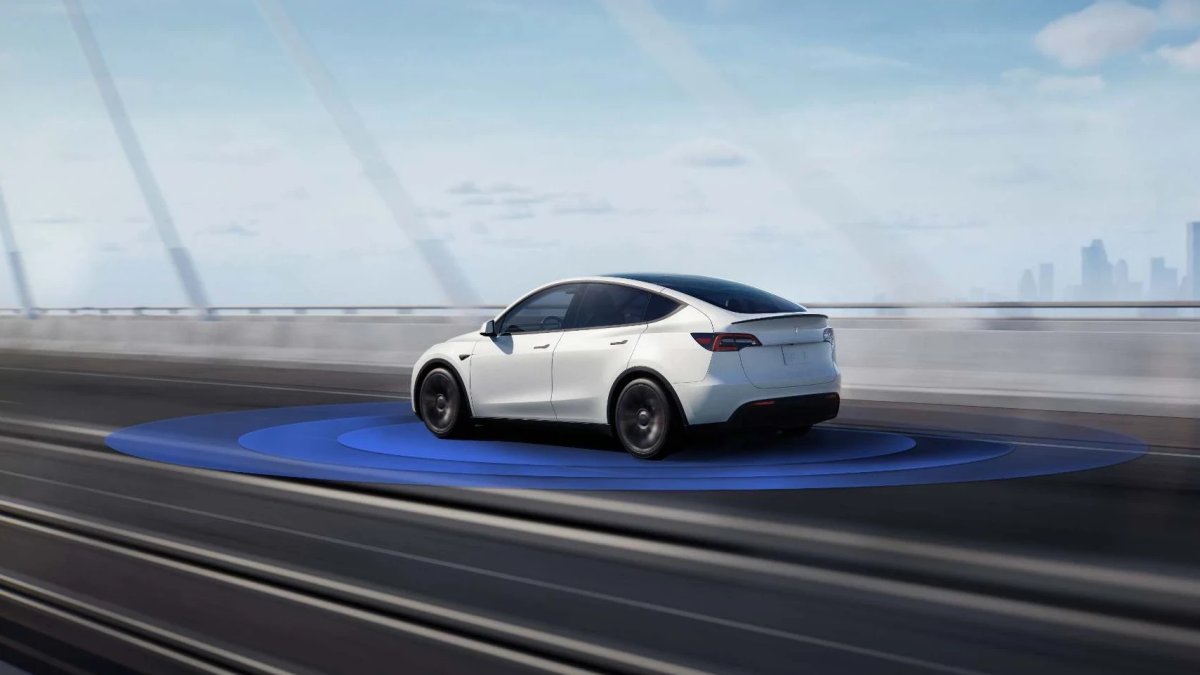
Tesla's Upcoming Full Self-Driving Features

Tesla’s Full Self-Driving (Supervised) has advanced significantly with end-to-end neural networks. The next phase aims to go beyond lane-keeping and traffic light handling by enabling more natural interactions, honoring driver-specific preferences, and adding pothole avoidance. With major architectural progress and new hardware on the roadmap, several capabilities are slated for upcoming releases.
Grok-Powered FSD Voice Navigation
Traditional in-car voice controls often require rigid phrasing. Tesla is progressively changing this with Grok, enabling natural conversations to set location-based reminders, configure driving routes, and control cabin features and settings toggles like climate and steering weight. The plan is to integrate SpaceXAI’s chatbot into the driving stack so FSD can accept multi-step, contextual voice commands.

Instead of only responding to chauffeur-style prompts like “take the next right,” Grok and FSD are expected to interpret higher-level intent. For example, a driver could say, “Navigate to the grocery store through the downtown strip, avoid Main Street construction, and park in the closest stall,” and the vehicle would parse the entire request, including preferences such as using authorized accessible parking or choosing covered parking on hot days.
Pothole Avoidance
Potholes and rough pavement can still prompt takeovers to prevent discomfort and reduce wear on tires and wheels. Elon Musk recently confirmed pothole avoidance is coming to FSD to help vehicles steer clear of damaged asphalt.

Previously, Tesla used map and fleet information to soften active air suspension on Model S and Model X when approaching rough roads. The next visual model is expected to identify dips and broken surfaces in real time from the cameras and subtly reposition within the lane to avoid them.
Mirroring Your Personal Parking Habits
Autopark can reliably fit between lines but lacks the nuance of an experienced driver. An upcoming update will allow FSD to copy your parking habits by learning individual preferences over time.

Whether you typically back into your driveway, leave extra space near a garage wall for walking, or keep the wheels away from curbs, FSD will analyze manual parking jobs and attempt to replicate those placements when parking autonomously.
Remembering Driver Interventions
Having to counteract route choices you dislike can be frustrating. Tesla is addressing this by ensuring FSD will remember driver interventions and route preferences.

This connects to the recently introduced Preferred Routes feature, which lets FSD learn a driver’s favored commuter shortcuts and may even be part of it. Going forward, repeated steering nudges or manual lane choices will act as positive feedback, teaching the vehicle to follow the specific roads and turns you routinely pick.
FSD v15: A Massive Parameter Leap
As v14 builds continue to deploy, Tesla’s AI team is preparing FSD v15. This generational step increases parameters tenfold—from about one billion parameters to a ten-billion-parameter neural network.

The expanded architecture targets earlier hazard prediction, faster reactions, and improved collision avoidance, among other gains. FSD v15 is expected later this year or early next year and also stands to enhance Automatic Collision Evasion, the latest FSD feature Tesla released.
Hardware Roadmap: AI4+ Upgrades and AI5
Continued software progress requires additional compute. For older Hardware 3 vehicles, Tesla announced an upgraded AI4+ (or AI4.5) computer with expanded memory.

With FSD v14 Lite likely marking the final major branch for HW3 vehicles, this refreshed computer is widely expected to serve as the promised retrofit path to provide legacy cars enough processing capability for unsupervised autonomy. Meanwhile, Tesla’s next-generation 2-nanometer AI5 chip has started trial production in Texas, with high-volume manufacturing targeted for 2027. AI5 will initially power Optimus humanoid robots and Tesla’s data centers before eventually moving into consumer vehicles.
Together, these software and hardware efforts indicate a shift from basic autonomous steering toward a more intuitive, personalized co-pilot.


Condividi:
How Tesla Improved Automatic Navigation in Update 2026.26
Tesla Reopens Roadster Reservations Ahead of Public Reveal