
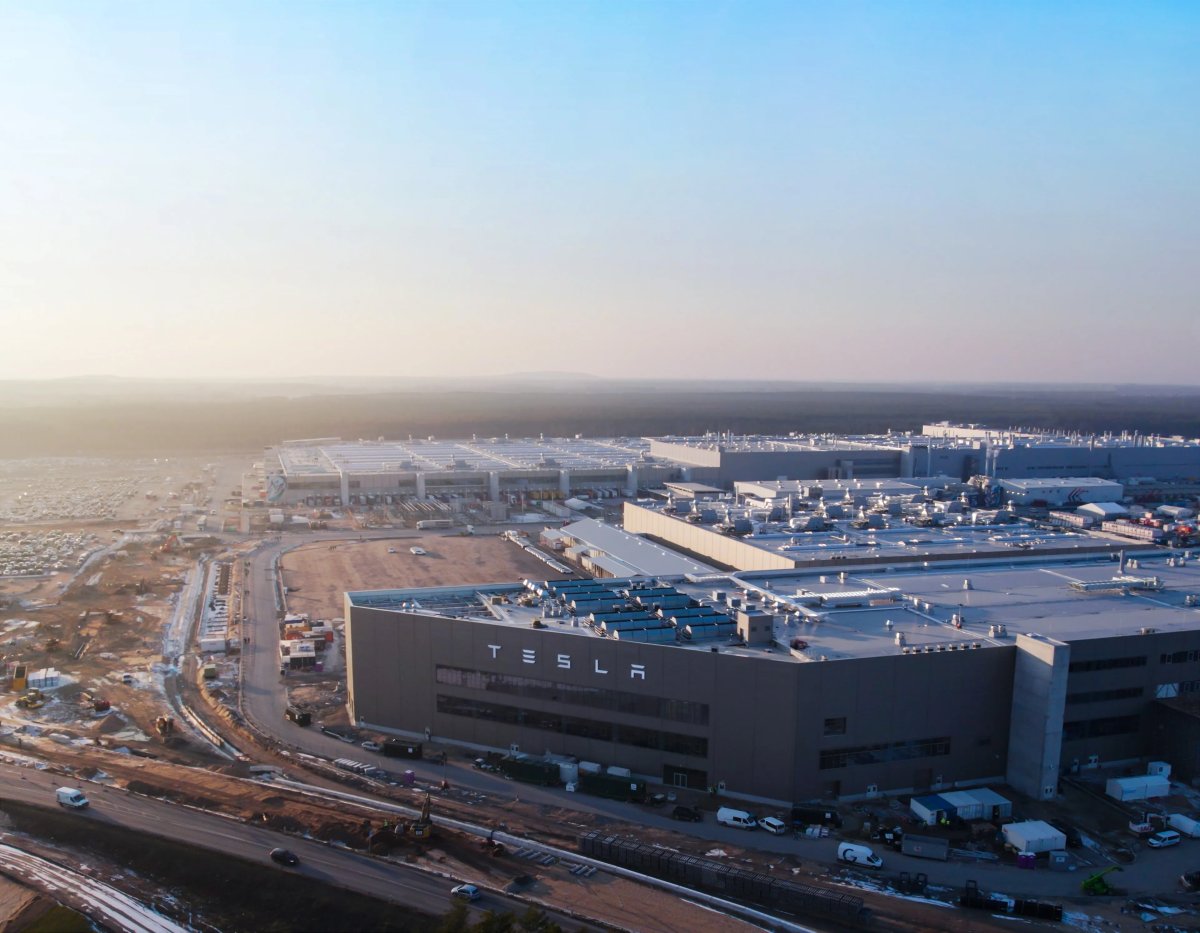

Tesla’s European headquarters reached a pivotal moment after a high-stakes works council election at Gigafactory Berlin, where the German metalworkers’ union, IG Metall, failed to secure a majority, clearing the way for the company’s local growth plans.
The results were shared by André Thierig, Senior Director of Manufacturing at Gigafactory Berlin, who described the outcome as a "clear defeat" for the union. According to Thierig, IG Metall’s share of the vote fell from nearly 40% in 2024 to just 31% today. Meanwhile, the "Giga United" list, led by current chairwoman Michaela Schmitz, became the largest group in the 37-member council with almost 41% of the vote.
Tesla vs. IG Metall
For years, Giga Berlin has reflected a clash of cultures: Tesla’s fast-moving, non-unionized American tech ethos that values agility and direct communication versus Germany’s long-standing tradition of labor unions and "co-determination," which gives workers a legal voice in company decisions.
IG Metall has sought to unionize the plant, previously holding the largest faction on the council without an outright majority. This election was widely viewed as a decisive test of the union’s influence at the site. Notably, Tesla remains involved in a separate labor dispute in Sweden with the union IF Metall, underscoring its ongoing tensions with European labor organizations.
Musk’s One Condition for Expansion
In a recent pre-recorded address, CEO Elon Musk outlined a massive expansion plan for Giga Berlin that includes reaching 8 GWh of battery production capacity by 2027 and introducing production of the Tesla Semi, the Cybercab, and the Optimus humanoid robot at the factory.
Musk tied the plan to a single condition: projects would proceed only if the factory stayed free of "external influences." He cautioned that operations would become "significantly more difficult" if external organizations tried to steer Tesla in the wrong direction — a clear signal toward IG Metall. By offering the workforce a chance to help build the future of robotics and autonomy, the company aimed to keep the union at bay.
Days before the vote, Thierig also used social media to criticize local outlet Handelsblatt for "spreading “false information”" about Giga Berlin’s production numbers to further IG Metall’s agenda.
What the Election Results Mean for the Future
With voter turnout near 90%, employees at Giga Berlin voiced support for independent co-determination. Thierig read the outcome as a "clear sign from our workforce, which has spoken out in favor of union-independent co-determination for the next 4 years!"
According to Thierig, the defeat of IG Metall means that "Giga Berlin remains free to accelerate the future." With the union’s influence diminished, Tesla is expected to push ahead with its promised expansions. A recent job listing for Giga Berlin also hinted at Tesla bringing Robotaxi production to the facility.
For now, the "Tesla way" has prevailed in Germany. As Giga Berlin enters its next phase of growth, attention will center on how quickly the company can turn these commitments into reality.




















Condividi:
Tesla Tops 2026 Supply Chain Sustainability Rankings
Tesla Job Listing Hints at Robotaxi Production at Giga Berlin