
Il servizio di ride-hailing commerciale di Tesla opera attualmente secondo orari fissi nei mercati attivi, ma corse senza conducente 24/7 sono previste a breve. La prossima generazione di Full Self-Driving (FSD) v15 di Tesla ne è l'elemento abilitante, secondo il vicepresidente dell'IA dell'azienda, Ashok Elluswamy.
L'aggiornamento è arrivato quando Ashok Elluswamy (@aelluswamy) ha risposto su X a una domanda del membro della community @wholemars su quando le corse Robotaxi sarebbero state disponibili 24 ore su 24.
il mese prossimo o giù di lì. la prossima tecnologia da integrare nel piano v15 lo renderà possibile.
Questa indicazione suggerisce un lancio a ottobre per la flotta commerciale. Durante la teleconferenza sui risultati del secondo trimestre di Tesla, i dirigenti hanno affermato che alcuni veicoli Robotaxi stanno già utilizzando le prime versioni di FSD v15, che includono sette importanti cambiamenti architetturali rispetto allo stack v14. Le ultime osservazioni di Elluswamy suggeriscono che quelle prove limitate potrebbero presto unificarsi in un rilascio a livello di flotta.
Dalle corse solo notturne al servizio giornaliero completo
Tesla sta espandendo le operazioni Robotaxi e i geofence in mercati come Austin, Dallas, Houston, l'area della Baia di San Francisco e Miami. Sebbene le corse notturne Robotaxi senza supervisione siano iniziate all'inizio di questa primavera, le lacune nella programmazione lasciano ancora alcune ore fuori servizio.
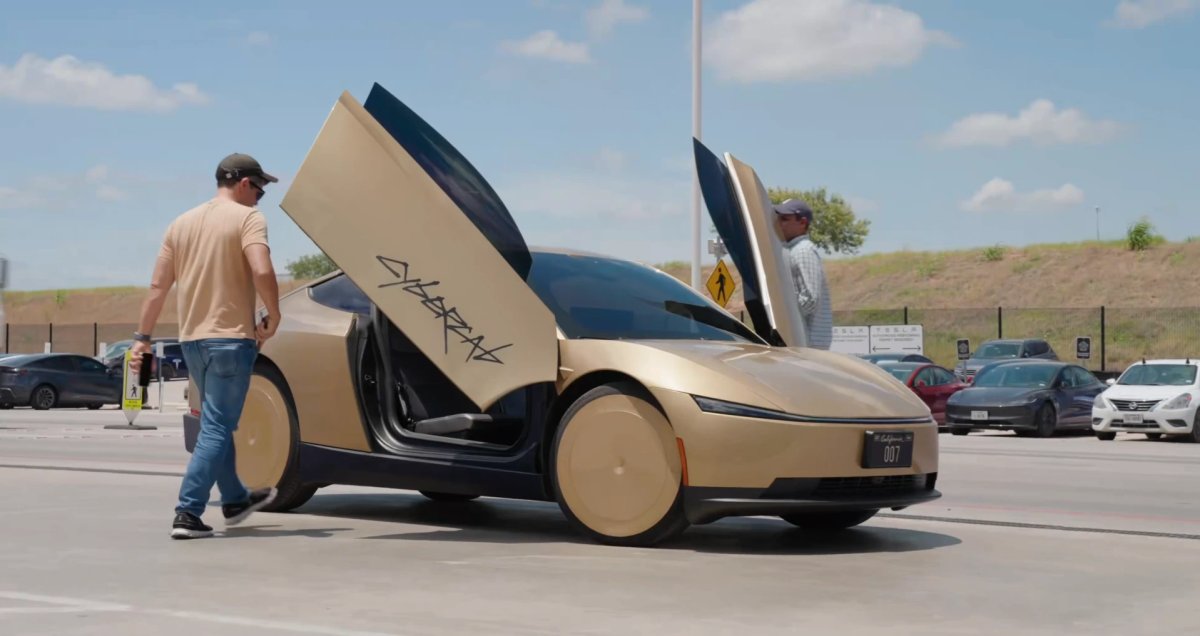
Quel divario potrebbe colmarsi rapidamente ora che i Cybercab sono entrati ufficialmente a far parte della flotta Robotaxi a partire da Austin. L'abbinamento del veicolo a due posti appositamente progettato con le Model Y adattate fornisce la densità di veicoli necessaria per sostenere una reale disponibilità 24/7.

FSD v15 funzionerà su entrambe le piattaforme. Tesla ha affermato che l'attuale generazione Hardware 4 (HW4/AI4) dispone di una potenza di calcolo sufficiente per supportare FSD v15 e la guida autonoma senza supervisione, mentre i Cybercab di produzione includono un computer FSD ancora più capace.
Sotto il cofano, FSD v15 rappresenta un aggiornamento sostanziale, potenzialmente maggiore del salto dalla v13 alla v14. Elluswamy ha recentemente delineato il passaggio a una rete neurale da 10 miliardi di parametri che consente una previsione precoce dei pericoli, reazioni più rapide, una migliore prevenzione delle collisioni e altro ancora.
Cosa significa la validazione della flotta per il lancio al consumatore
Abilitare FSD v15 sui veicoli commerciali è anche un passo fondamentale prima di estendere il servizio Robotaxi ad altre regioni. Tesla ha indicato che attenderà FSD v15 prima di espandere Robotaxi su larga scala, quindi questa versione potrebbe determinare con quanta rapidità la rete senza conducente raggiungerà nuove aree metropolitane.
Il lancio commerciale avvantaggia anche i proprietari comuni, fornendo agli sviluppatori ampi dati di guida nel mondo reale per perfezionare il software.
Se i Robotaxi senza conducente passeranno alla v15 il mese prossimo senza problemi, l'obiettivo di Tesla di fornire FSD v15 ai veicoli HW4 dei consumatori entro la fine di quest'anno o l'inizio del prossimo rimane a portata di mano.


Condividi:
Tesla aggiungerà il supporto per la messaggistica di testo Grok
Tesla fissa al primo ottobre l'evento di presentazione della Roadster e invia gli inviti