
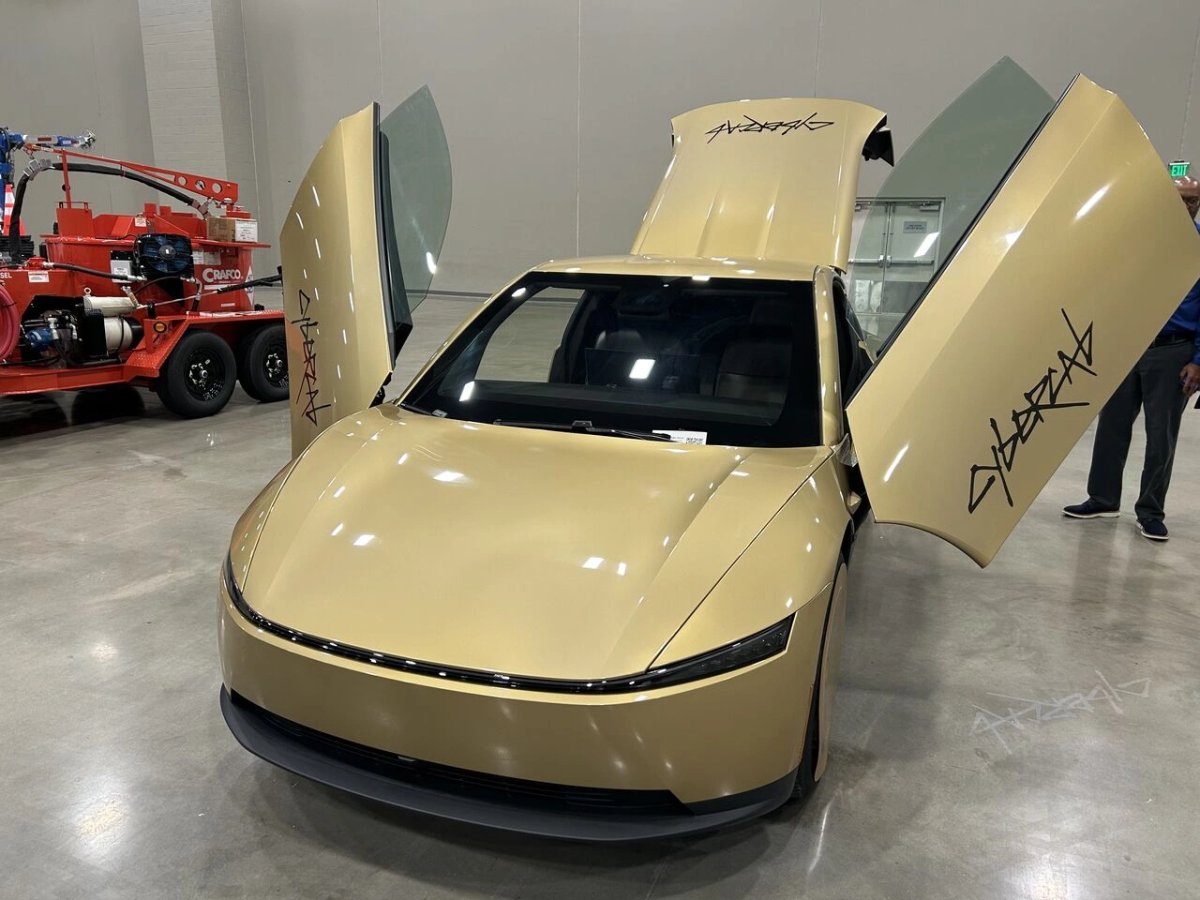

Tesla ha pubblicato il suo Cybercab First Responder Interaction Plan, fornendo indicazioni dettagliate su come funziona il robotaxi progettato appositamente. La guida conferma che il Cybercab di produzione è un veicolo completamente autonomo, senza volante, pedali o tradizionali comandi manuali di emergenza.
Con i test di validazione in accelerazione in vista dell’implementazione, la produzione ha incluso una combinazione di Cybercab senza volante e unità ingegneristiche iniziali con volante, anche se l’obiettivo resta un servizio completamente senza conducente. Anche il quadro normativo sta evolvendo, dato che la NHTSA ha recentemente eliminato il requisito del pedale del freno per le flotte autonome. Ecco come i comandi interni del Cybercab differiscono da quelli dei veicoli consumer di oggi.
Portiere
L'accesso e l'uscita funzionano in modo diverso rispetto a una Model 3 o una Model Y. Sui veicoli per i consumatori, si preme la parte più larga della maniglia esterna e si tira la parte più stretta, mentre all'interno si preme il pulsante elettronico sull'impugnatura della maniglia della porta.
Il Cybercab introduce un sistema di sblocco interno delle portiere con un solo pulsante. Dall’esterno, le portiere si aprono premendo un pulsante dedicato sul montante B, contrassegnato da una linea bianca orizzontale.

Dall’interno, durante il normale funzionamento, le portiere possono essere aperte tramite il comando principale Apri portiere sul display centrale, oppure usando i due pulsanti Apri porta negli angoli inferiori dello schermo per ciascun lato. I passeggeri possono anche sollevare la maniglia fisica interna della porta.

Se l’alimentazione a bassa tensione viene completamente meno, la maniglia interna offre un comando meccanico di emergenza. La maniglia ha due scatti; sollevarla completamente fino al secondo scatto attiva lo sblocco di emergenza, dopodiché la porta deve essere spinta manualmente verso l’esterno e verso l’alto.

Quando non è alimentate, le portiere non resteranno aperte da sole e dovranno essere tenute o bloccate per evitare che si chiudano. Per l’accessibilità, le nuove maniglie interne includono testo in braille.
Comandi e regolazioni del sedile
Nelle Tesla consumer, i sedili anteriori offrono ampie possibilità di regolazione tramite comandi laterali, touchscreen centrale o rotelle di scorrimento sul volante.

Nel robotaxi, le regolazioni sono semplificate per ridurre peso e complessità. I sedili sono completamente elettrici ma possono essere regolati solo tramite il touchscreen centrale quando è disponibile l’alimentazione a bassa tensione. I passeggeri possono spostare entrambi i sedili avanti o indietro insieme e regolare l’inclinazione o l’abbassamento di ciascun sedile individualmente.
Finestre
In una Model 3 o una Model Y, il funzionamento dei finestrini è gestito dagli interruttori sul bracciolo di ogni porta e può anche essere controllato tramite l'app mobile o i comandi vocali.

Nel Cybercab, i pannelli delle portiere sono essenziali. Gli interruttori fisici dei finestrini sono stati spostati sotto il display centrale e richiedono l’alimentazione attiva a bassa tensione per funzionare. In futuro, il software potrebbe aggiungere il supporto ai comandi vocali o l’assistente Grok AI completo di Tesla man mano che la flotta viene introdotta.
Bagagliaio
Nei modelli consumer, il bagagliaio può essere aperto dall’app mobile, dal touchscreen principale o premendo il pulsante sulla maniglia esterna del portellone.
Nel robotaxi, il vano posteriore può essere aperto toccando Apri bagagliaio sul display oppure premendo l’interruttore elettronico sotto la maniglia esterna del bagagliaio, che usa un’icona di apertura del bagagliaio. La guida per i primi soccorritori indica che entrambi i metodi dipendono dall’alimentazione attiva a bassa tensione.

Il Cybercab offre un ampio vano di carico e aggiunge una nuovissima telecamera interna del bagagliaio per contribuire a garantire che gli oggetti non vengano lasciati indietro. Secondo documenti EPA pubblicati di recente, il Cybercab ha un limite di peso massimo di 617 lbs (about 280 kg) per passeggeri e carico combinati.
Con l’aumento della produzione di massa alla Gigafactory Texas, non è chiaro se l’esperienza mobile Robotaxi consentirà anche ai passeggeri di aprire il bagagliaio da remoto mentre si avvicinano o escono. La configurazione specializzata dei comandi di porte, finestrini, sedili e bagagliaio del Cybercab sottolinea la spinta di Tesla a semplificare la piattaforma per un uso commerciale ad alto volume.


Condividi:
Note di rilascio 2026.20.5.1
Tutto ciò che devi sapere su Tesla FSD V14 Lite