
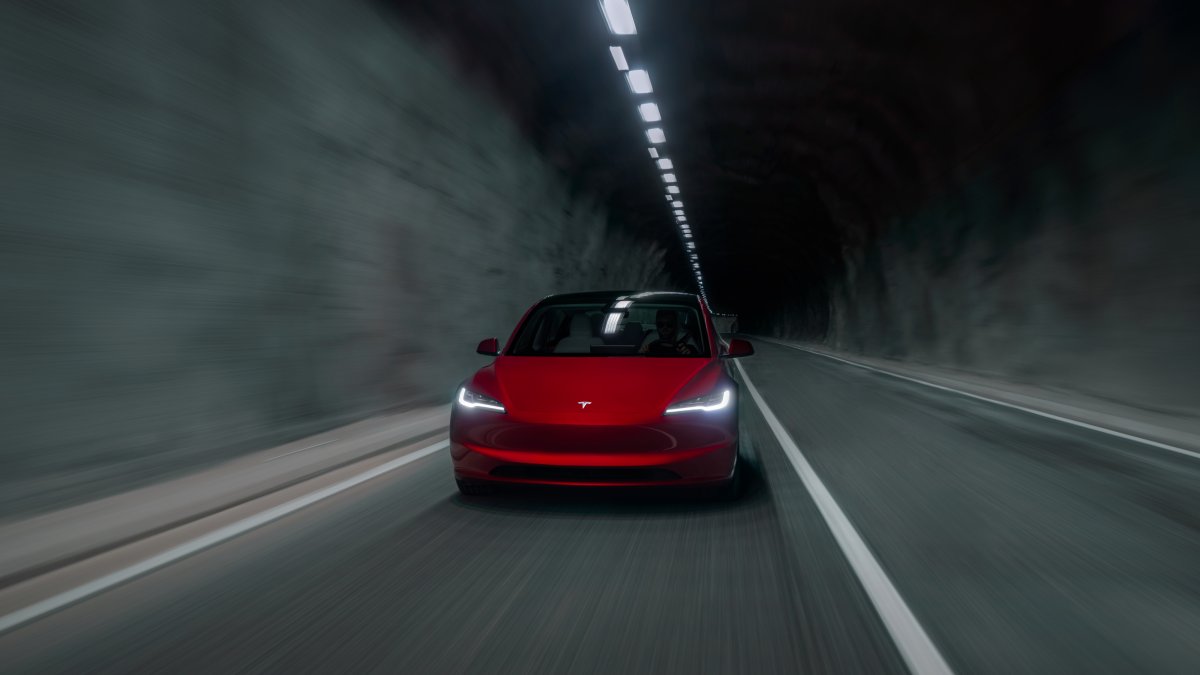
New UN Autonomous Driving Regulation Could Unlock Tesla FSD in Europe and Asia

A decade ago, autonomous vehicles seemed imminent, but as the technology progressed it became clear that the main obstacles were not only neural networks, sensors, or software, but also regulatory barriers. In regions such as Europe, where laws governing autonomy move slowly, companies like Tesla have had to navigate a patchwork of national laws alongside EU-level governance.
That period of regulatory deadlock may be coming to an end. After two years of consultations and drafting, the United Nations Economic Commission for Europe (UNECE) has adopted a draft global regulation on Automated Driving Systems. The draft sets out a standardized methodology for validating vehicles with autonomous features, effectively creating a pathway for FSD (Supervised) and FSD (Unsupervised).
Harmonization First
For years, Tesla has employed a strategy in Europe where it relied on certain countries to seek exemptions under Article 39 clauses to gain a national foothold and then expand to the EU level.
While Tesla secured testing approval in several European nations, that approach was limited in scale. The new UNECE regulation simplifies the process by establishing a single regulatory framework—recognized beyond the EU, with many Asia-Pacific countries subscribing to UNECE regulations for automobiles—that aims to reduce the burden of national rules and encourage innovation.
Under this system, Tesla would need approval from the UNECE and could then deploy immediately across the 50 member states that participate in the council, rather than pursuing approval country by country.
Outcomes, Not Rules
The most significant feature of the new regulation is its philosophical shift. Traditional automotive regulations are prescriptive and define exactly how a system must behave in every scenario. That prescriptive model is fundamentally at odds with neural networks that learn “the why” of driving from billions of miles of training data.
The UN’s new framework adopts a “Safety Case” approach, under which manufacturers must demonstrate that their technology meets outcome-focused requirements and is safer than a human driver. This validates Tesla’s approach by prioritizing outcomes over hard-coded rules.
The Road to June 2026
The timeline aligns well for Tesla. The proposal was adopted by the UNECE Working Party at the end of January; the draft will be submitted for approval in June 2026 and would enter into force immediately if approved.
The US NHTSA has published a Request for Comment on the draft, while China and Japan have indicated they will follow suit with their own national standards. If the three largest automotive markets in the world move in unison, the regulatory red tape that has constrained FSD’s capabilities would effectively be removed.



Partager:
Tesla Model Y Named Best Electric Vehicle of 2026 by Consumer Reports
Tesla Trademarks 'Cybercar' & 'Cybervehicle' Names to Avoid Taxi Laws