
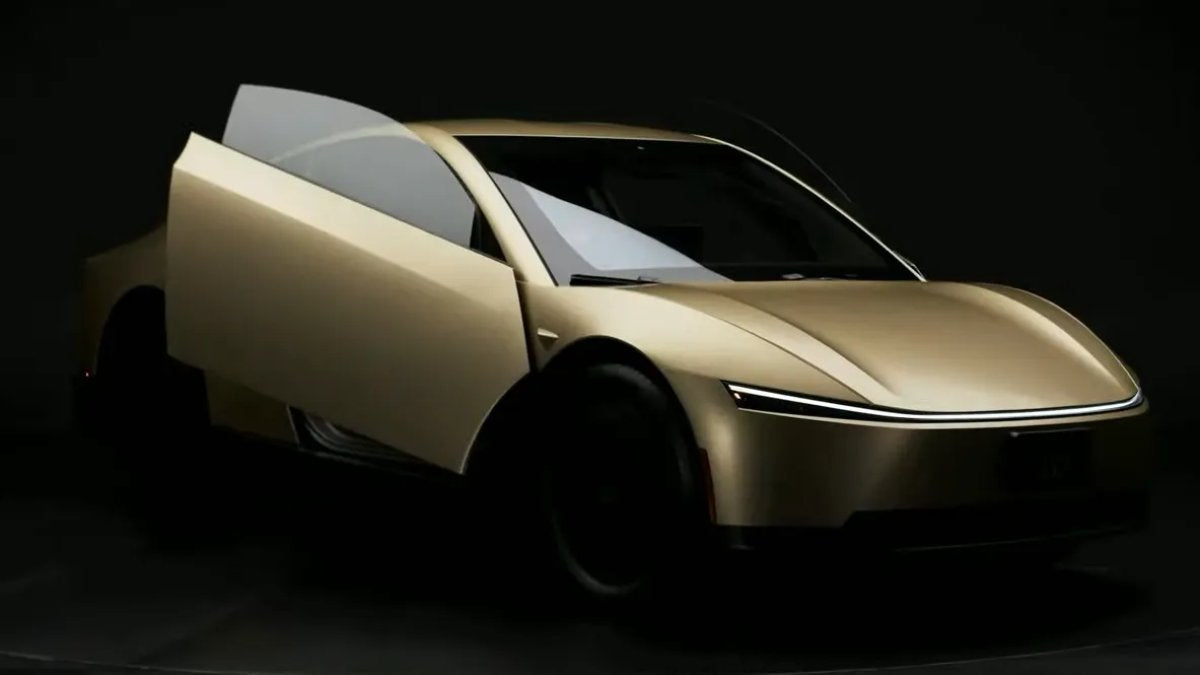

The US House Committee on Energy and Commerce has scheduled a hearing for January 13, 2026, to consider new automotive legislation. Among the proposals is a provision that would raise the annual limit on vehicles deployed without traditional human controls from 2,500 to 90,000.
The hearing, titled Examining Legislative Options to Strengthen Motor Vehicle Safety, Ensure Consumer Choice and Affordability, and Cement U.S. Automotive Leadership, will review multiple draft bills, including the SELF DRIVE Act of 2026. If enacted, the legislation would remove the main regulatory obstacle preventing Tesla from mass-producing the Cybercab.
2,500 vs 90,000
Under current federal law, automakers must meet the Federal Motor Vehicle Safety Standards (FMVSS), which require human controls such as steering wheels, pedals, and mirrors. Manufacturers may request exemptions from the NHTSA to deploy unconventional designs like the Cybercab, but those exemptions are limited to 2,500 vehicles per year.
For a niche pilot program such as Zoox, 2,500 units can be workable. For Tesla, which aims to begin volume production of the Cybercab, a 2,500-unit cap is impractical. At Tesla’s maximum production goal, that’s 25,000 seconds of Robotaxi production.
The draft legislation would raise the exemption cap to 90,000 vehicles annually. This 3,500% increase would convert the exemption from a narrow research allowance into a path for commercial deployment, allowing Tesla to field a significant Robotaxi fleet immediately while the NHTSA develops comprehensive autonomy policies.
Federal Rules to Trump State Bans
The hearing will also address the fragmented regulatory environment that has hindered the autonomy sector.
One proposal under consideration would include a federal exemption clause preventing states and cities from setting their own performance standards for autonomous driving systems. Today, companies must navigate a patchwork of state and municipal regulations, with jurisdictions such as California and New York City taking particularly restrictive positions.
By centralizing authority at the NHTSA, the bill would stop states from using local ordinances to effectively ban Robotaxis, creating a single national standard that Tesla and other companies have advocated for.
American Autonomy Leadership
Lawmakers are presenting the regulatory changes not only as safety measures but also as necessary to maintain U.S. competitiveness. With Chinese EV manufacturers rapidly deploying advanced driver-assist systems and autonomous vehicles, there is bipartisan pressure to remove barriers that could slow American innovation.
The stated objective is to ensure the United States, rather than other countries, establishes the global standards for autonomous vehicle technology.





Partager:
Tesla Launches Supercharging Cards in China, Letting You Lock In Supercharger Pricing
Tesla's Holiday Update: 19 Undocumented Features (Update 2025.44)