

Durante muchos años, comprar un coche significaba aceptar un conjunto fijo de características durante toda su vida útil. Tesla cambió esa expectativa al tratar el sistema de infoentretenimiento del vehículo como un smartphone, ofreciendo nuevas e importantes capacidades a través de actualizaciones de software inalámbricas gratuitas.
La comunidad está esperando actualmente lo que algunos llaman el "jefe final" del software de Tesla: la conducción autónoma total sin supervisión. Aunque aún no se ha producido un despliegue global, hay señales tempranas de ese futuro; recientemente, Tesla lanzó viajes en robotaxi completamente autónomos en Austin, donde los vehículos comenzaron a recoger pasajeros sin un conductor o monitor de seguridad a bordo.
Antes de que la autonomía total llegue a todas partes, aquí están las características más notables que Tesla ha añadido a los coches de sus propietarios a lo largo de los años.
Conducción autónoma total (supervisada)

La pieza central de la oferta de software de Tesla es su conjunto de asistencia al conductor, comúnmente conocido como Conducción autónoma total (supervisada). Construido de forma incremental a través de años de datos de la flota, el sistema FSD en fase beta puede navegar por las calles de la ciudad, gestionar el tráfico, ceder el paso a los peatones y aparcar automáticamente el vehículo en el destino del viaje.
Navegación en Autopilot
Como paso previo a la FSD, la Navegación en Autopilot permite que el coche conduzca desde una rampa de entrada a una de salida, incluyendo cambios automáticos de carril y la gestión de intercambios en autopista. Convirtió la conducción de larga distancia en una experiencia más relajada.
Para fomentar la adopción de la FSD y eliminar la antigua opción de Autopilot, Tesla eliminó recientemente el Autopilot de los vehículos nuevos, dejando el Control de crucero adaptativo (TACC) como la capacidad de crucero estándar en los coches nuevos.
AutoPark

AutoPark se lanzó a través de una actualización de software en 2019 y desde entonces ha sido renovado para ser más rápido y preciso. Para los vehículos con FSD, el sistema puede buscar activamente una plaza de aparcamiento y aparcar el coche de forma autónoma.
Boombox / Sonidos de bloqueo personalizados

En 2023, Tesla añadió la capacidad de reemplazar el "claxon" estándar que suena al bloquear el coche con sonidos personalizados. Los propietarios pueden elegir entre opciones precargadas (por ejemplo, el ciclo de luz de la franquicia Tron) navegando a Toybox > Boombox > Sonido de bloqueo, o pueden subir sus propios sonidos usando una unidad USB. Otras características de Boombox permiten al coche cambiar el sonido de su claxon cuando está aparcado y reproducir audio a través del altavoz externo.
Tesla Theater

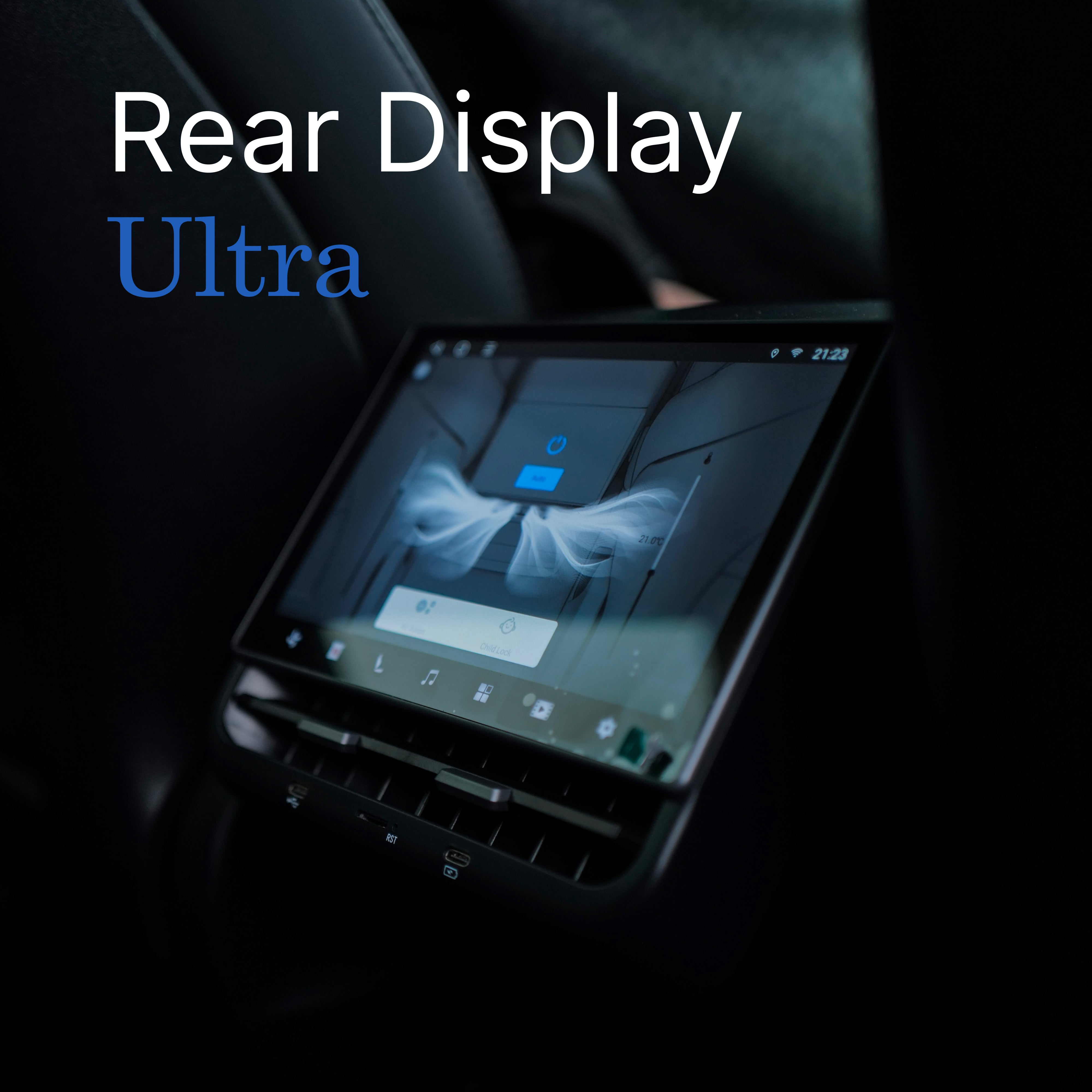
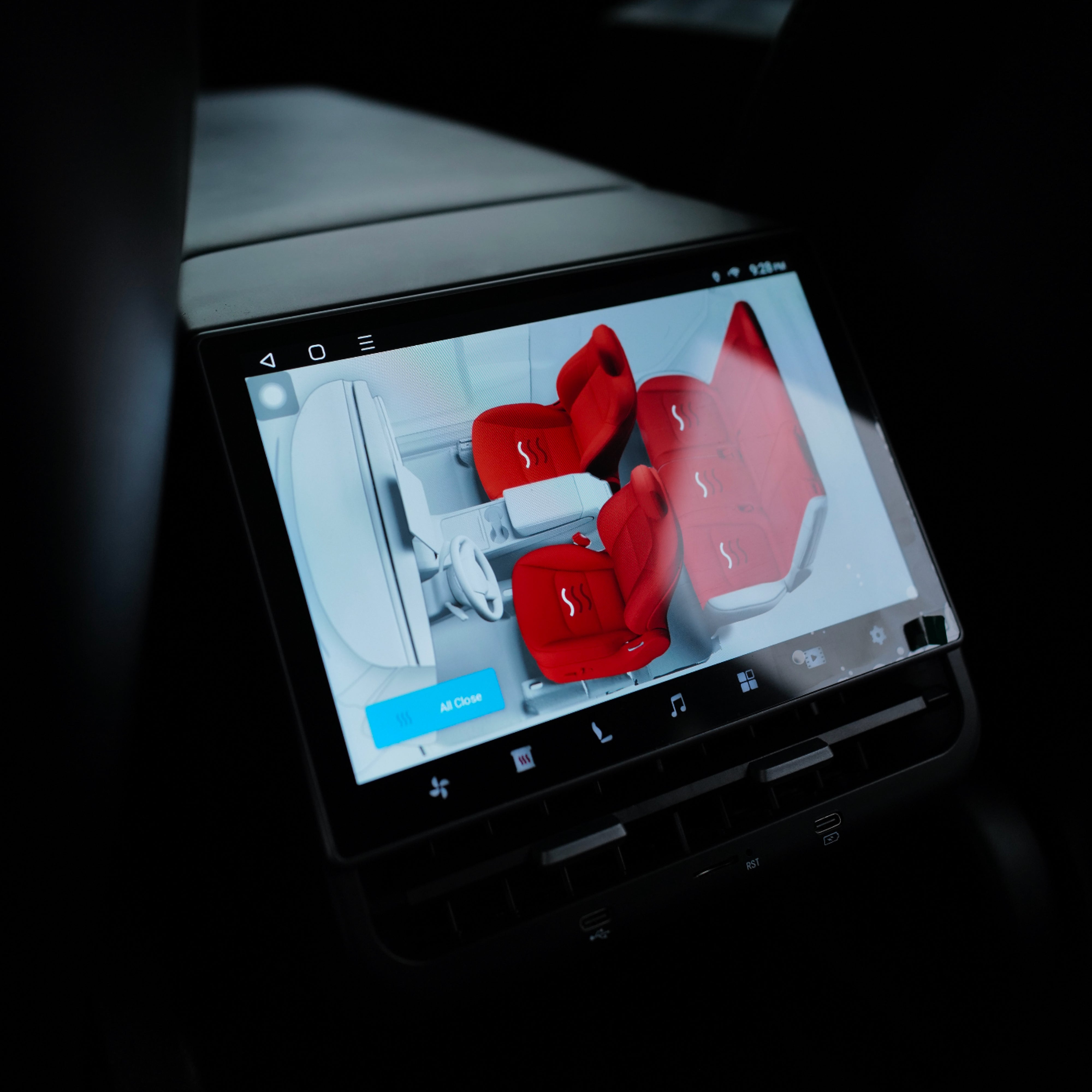
Cuando está aparcada, la pantalla central puede ejecutar aplicaciones de streaming para que el vehículo se convierta en una sala de estar. Introducido en 2019, Tesla Theater añadió aplicaciones como Netflix, YouTube y Disney+ para ver contenido dentro del coche mientras se carga. Con ciertas soluciones, también es posible ver otros servicios de streaming web en la pantalla trasera.
Videojuegos
Tesla Arcade comenzó como TeslAtari con clásicos como Centipede y se ha convertido en una moderna plataforma de juegos dentro del coche. Una incorporación reciente y notable es el simulador de acoplamiento de la EEI, que utiliza controles modelados a partir de interfaces reales de la NASA. Algunos juegos permiten a los conductores usar el volante como mando, y títulos como Beach Buggy Racing incluyen tablas de clasificación que pueden consultarse en los Supercargadores.
Asistencia de aparcamiento de alta fidelidad
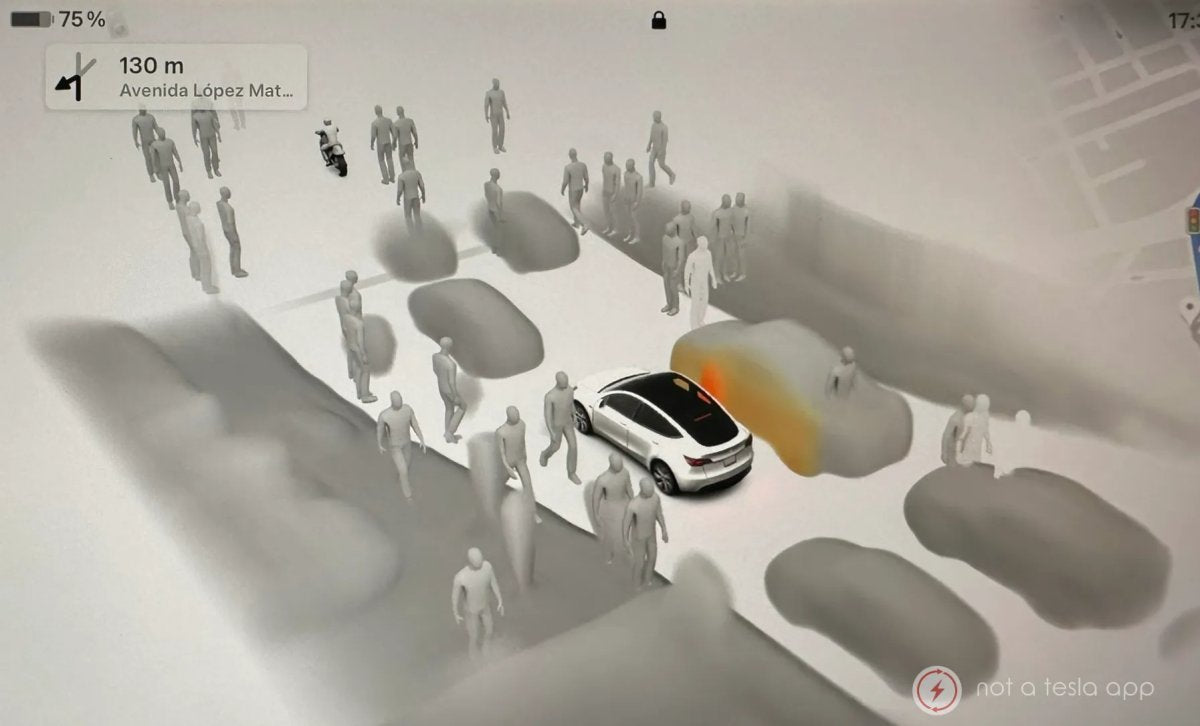
Complementando a AutoPark, la Asistencia de aparcamiento de alta fidelidad muestra una vista en 3D del área alrededor del coche en la pantalla. Esta visualización muestra lo que el vehículo percibe y advierte cuando el coche se acerca a objetos circundantes, ya sea al frente o a los lados. A diferencia de las visualizaciones de FSD, esta característica genera sus propios modelos 3D para representar con precisión los elementos cercanos.
Modo Túnel de lavado

El Modo Túnel de lavado hace que pasar por un lavado automático sea más sencillo al desactivar ciertos sistemas (por ejemplo, suspende los limpiaparabrisas automáticos) y al facilitar poner el vehículo en punto muerto. También desactiva las alertas sonoras de aparcamiento y el sistema HVAC, y avisará al usuario si alguna ventana, puerta o el maletero se quedan abiertos.
Frenado de emergencia y prevención de colisiones
Tesla ha impulsado mejoras de seguridad mediante software antes de que algunos reguladores las exigieran. El Frenado automático de emergencia de la compañía recibió actualizaciones para reaccionar ante peligros perpendiculares, como un vehículo cruzando una intersección, y para funcionar cuando el coche circula marcha atrás y a velocidades superiores a 100 mph (160 km/h). Estas mejoras se implementaron ampliamente en toda la flota, aumentando la seguridad también para los coches más antiguos.
Prevención de cambio de carril involuntario

La Prevención de cambio de carril involuntario original emitía advertencias cuando un vehículo se salía de su carril. Una actualización añadió una dirección correctiva para que el coche pueda volver por sí mismo al carril. El sistema detecta el desvío sin usar el intermitente y, si el vehículo circula a más de 40 mph (64 km/h), devolverá automáticamente el coche a su carril para ayudar a prevenir accidentes causados por distracción o fatiga.
Expansión de servicios de música adicionales

Tesla expandió sus Servicios de música mucho más allá de la opción original de LiveOne. Con el tiempo, el sistema de infoentretenimiento obtuvo soporte para servicios como Spotify, SiriusXM, Apple Music, Amazon Music y YouTube Music, entre otros.
Integración de Apple Podcasts
En 2023, Tesla añadió soporte nativo para Apple Podcasts al sistema de infoentretenimiento, permitiendo la sincronización de la reproducción y el progreso entre un teléfono y el coche.
Asistente de voz Grok
Tesla integró el chatbot Grok de xAI en el sistema operativo y, tras actualizaciones posteriores, Grok puede establecer y editar destinos de navegación y servir como guía conversacional. Los conductores pueden usar lenguaje natural para localizar tipos de paradas a lo largo de una ruta o navegar hacia favoritos guardados.
Dashcam y Modo Centinela

El Modo Centinela utiliza las cámaras externas del coche para monitorear los alrededores cuando está aparcado. La Dashcam graba imágenes mientras se conduce y ahora incluye datos de telemetría como la velocidad y el ángulo de dirección. Con el tiempo, el sistema ha recibido actualizaciones de interfaz, soporte para aplicaciones móviles, mejoras de diseño y capacidades de grabación de cámara ampliadas.
Tesla Light Show
El espectáculo de luces de Tesla sincroniza las luces exteriores y el movimiento de los espejos con la música. Tesla añade periódicamente nuevas canciones a través de actualizaciones de software y también proporciona herramientas para que los propietarios creen espectáculos de luces personalizados.
Luces largas automáticas
Las luces largas automáticas cambian automáticamente entre luces largas y cortas según la luz detectada y el tráfico cercano, eliminando la necesidad de que el conductor cambie las luces manualmente.
Faros adaptativos

Los faros adaptativos extienden la iluminación de las luces largas atenuando selectivamente partes del haz cerca de otros vehículos. Utilizando una matriz de píxeles de luz, el sistema puede apagar píxeles individuales alrededor del tráfico que viene de frente para reducir el deslumbramiento mientras mantiene el resto de la carretera bien iluminada.
Limpiaparabrisas automáticos
Tesla ha mejorado el comportamiento del limpiaparabrisas a través de software, refinando la detección con redes neuronales para que el sistema pueda detectar mejor la lluvia sin un sensor adicional, aunque la función no se considera la mejor de la industria.
Modo Perro, Modo Acampada y Mantener climatización
Estas funciones climáticas mantienen la temperatura del habitáculo cuando el coche está aparcado. El "Modo Perro" muestra un mensaje en pantalla indicando que el habitáculo está climatizado para mascotas, el "Modo Acampada" mantiene el vehículo encendido para estancias nocturnas, y "Mantener climatización" conserva la temperatura durante recados cortos.
Controles parentales

Los Controles parentales permiten a los tutores establecer un límite de velocidad máxima, reducir la aceleración y evitar que se desactiven características críticas de seguridad, ayudando a mantener a los conductores más jóvenes más seguros.
Modo Valet
El Modo Valet limita el rendimiento, bloquea la guantera y protege los datos personales. Mientras el Modo Valet está activo, las direcciones de casa, trabajo y recientes no son visibles; el acceso a HomeLink y al calendario se deshabilita; la FSD se apaga; y se aplican otras medidas de privacidad.
PIN para conducir / PIN para abrir la guantera
"PIN para conducir" requiere un código de cuatro dígitos antes de que el vehículo pueda salir de la posición de estacionamiento (P), añadiendo seguridad incluso si alguien tiene acceso a un teléfono o tarjeta llave. Tesla también añadió la opción de bloquear la guantera con un PIN. El diseño del teclado en pantalla puede cambiar para evitar adivinar un PIN por las huellas en la pantalla.
Clima, superposición de radar y índice de calidad del aire
Una actualización de 2024 añadió información meteorológica y de calidad del aire directamente a la barra de estado, por lo que las condiciones locales actuales y las advertencias de calidad del aire son visibles. Tesla también introdujo una superposición de radar meteorológico para que los conductores puedan seguir las tormentas mientras viajan.
Sigue mejorando
Los propietarios que compraron sus coches hace varios años probablemente hayan visto llegar muchas de estas funciones a través de actualizaciones de software. A medida que la flota avanza hacia una mayor autonomía, las actualizaciones inalámbricas siguen cambiando las expectativas sobre las capacidades de los vehículos.
¿Qué actualización de software fue la que más cambió las reglas del juego para ti? ¿Hay alguna función que todavía estés esperando?


Compartir:
Tesla añade la palabra de activación "Hey, Tesla" en China con reconocimiento espacial
Actualización de la aplicación Tesla 4.53.5 — Notas de la versión