
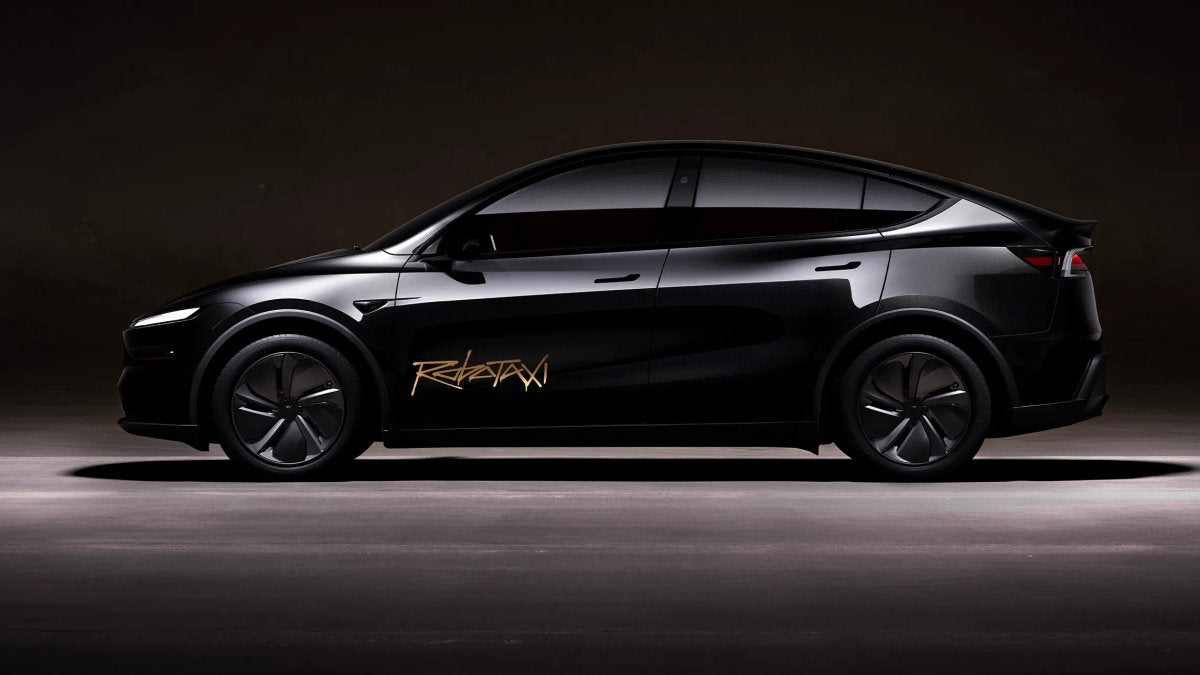

Tesla ha hecho pública información sobre accidentes autónomos que anteriormente estaba redactada, abordando una preocupación persistente entre los investigadores y defensores de la seguridad. Durante gran parte del último año, la empresa fue el único operador de vehículos autónomos que presentaba datos de seguridad omitiendo detalles contextuales de los accidentes; todos los resúmenes de incidentes utilizaban la misma frase estándar: [REDACTADO, PUEDE CONTENER INFORMACIÓN COMERCIAL CONFIDENCIAL].
Tesla ha revisado ahora sus archivos históricos y ha publicado resúmenes sin redactar de 19 incidentes que involucraron a su flota de pruebas en Austin, Texas. La información está disponible en el sitio web de la Administración Nacional de Seguridad del Tráfico en las Carreteras (NHTSA) bajo una Orden General Permanente que exige a las empresas que prueban o despliegan Sistemas de Conducción Automatizada (ADS) informar sobre los accidentes en vías públicas.
Qué revelan los resúmenes sin redactar
Con las narrativas ahora visibles, los detalles indican que la mayoría de los incidentes fueron eventos menores a baja velocidad y no fueron causados por el sistema de Conducción Autónoma Total (FSD) de Tesla.

Una parte notable de los 19 incidentes involucró vehículos conducidos manualmente que golpearon a Teslas estacionarios. Varios resúmenes describen al Tesla detenido en una intersección o semáforo en rojo siendo golpeado lentamente por detrás por un conductor humano. En entornos urbanos densos y de baja velocidad, actores externos también provocaron eventos sin culpa, incluyendo un bicitaxi que rozó el espejo lateral derecho de un Tesla detenido y un motoneta que hizo contacto con el parachoques trasero antes de saltar un bordillo hacia la acera.
Altas tasas de seguridad con supervisores a bordo
En los 19 incidentes reportados por Tesla, la gran mayoría no resultó en lesiones. Solo se registraron dos lesiones menores y no hubo impactos a alta velocidad, fallas estructurales graves ni accidentes con lesiones críticas.
Todos los eventos reportados ocurrieron con supervisores de seguridad humanos en los asientos delanteros. Ninguno provino de operaciones totalmente sin supervisión, y ninguno indica una falla fundamental en la lógica central de aprendizaje automático. Los errores menores del propio vehículo autónomo se limitaron a áreas estrechas como estacionamientos o callejones; por ejemplo, un neumático raspando un bordillo o un espejo lateral haciendo contacto con una cerca de cadena metálica o un poste de servicios públicos mientras retrocedía a velocidades de un solo dígito.
Tesla está en proceso de realizar la transición de su servicio Robotaxi hacia una autonomía total sin un conductor de seguridad o supervisor a bordo. La reciente expansión de la empresa a Dallas y Houston ha sido totalmente sin supervisión.
Una tendencia familiar para los robotaxis
Los datos de toda la industria muestran que los conductores humanos son responsables de la mayoría de las colisiones que involucran flotas autónomas. Este patrón se reflejó recientemente cuando uno de los nuevos Cybercabs producidos en masa que Tesla está probando en carreteras públicas antes de su entrada en la red de Robotaxi fue golpeado por detrás por un vehículo conducido manualmente.
Competidores como Waymo y Zoox han reportado un mayor número total de incidentes, lo cual concuerda con el mayor tamaño de sus flotas. Publicar informes completos proporciona un registro claro y verificable, así como contexto para pinchazos de neumáticos menores o golpes de chapa, a medida que Tesla avanza hacia operaciones comerciales más amplias.



Compartir:
Tesla invita a los propietarios a las fiestas "Electric Summer" en sus tiendas de EE. UU. y Canadá
Tesla revive el concepto de limpiaparabrisas láser con una actualización de patente