
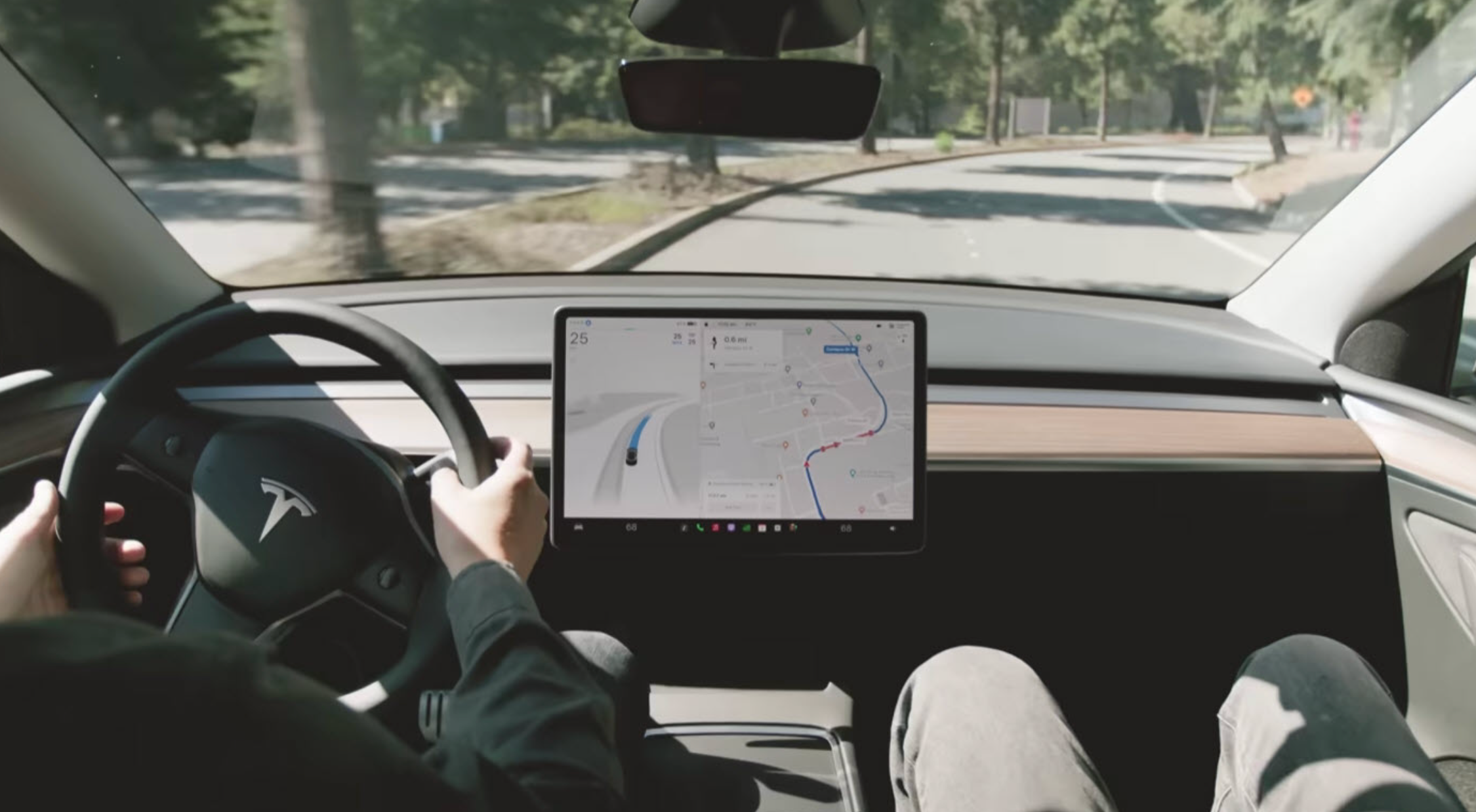

Tesla owners with Hardware 3 have been waiting patiently for the latest Full Self-Driving capabilities. "Is HW3 finally getting the V14 features we've been seeing on HW4?"
The answer is yes, but with a catch. Tesla just dropped FSD v14 Lite for HW3 vehicles. But here's what the release notes don't want you to know: it's a stripped-down version that leaves some major features behind.

⚡ Quick Answer
What is FSD v14 Lite?
A specialized version of Full Self-Driving version 14 designed specifically to run on older Hardware 3 computers.
Who gets it?
Tesla vehicles equipped with HW3 that are subscribed to or have purchased FSD.
Is it the same as HW4?
No. It lacks certain advanced visualization features and processing speeds found in HW4.
Should I upgrade my hardware?
If you want the full V14 experience, yes. If you just want reliable autonomous driving, HW3 is still capable.
For months, the Tesla community has been buzzing with rumors about whether older vehicles with Hardware 3 would ever see the benefits of the massive V14 update. With the recent rollout of FSD v14 Lite, the wait is over, but the reality is sparking intense debate across Reddit forums.
Here's what you need to know. We analyzed the hottest discussions on r/TeslaMotors to break down exactly what this update means for HW3 owners. No fluff.
The Reality of "Lite"
What You Get vs. What You Miss
Real Owner Quote: "FSD v14 Lite HW3 released. It's smoother than V12, but you can tell the computer is maxed out. We're definitely hitting the ceiling of what HW3 can do." — Reddit user u/iilordd, June 2026
The introduction of the "Lite" moniker confirms what many tech-savvy owners have suspected: Hardware 3 simply doesn't have the processing power to handle the full neural net models of V14. While the core driving logic has been significantly improved over V12, Tesla had to make compromises to fit the software onto older chips.
HW3 (FSD v14 Lite)
- Improved decision making over V12
- Smoother acceleration and braking
- Basic environmental visualization
- Occasional processing lag in complex intersections
HW4 (Full FSD v14)
- Advanced end-to-end neural net
- High-fidelity, high-framerate visualization
- Instantaneous complex path planning
- Support for future Cybercab-level autonomy
Community Reaction
The release has sparked a massive debate on r/TeslaMotors. Many owners are relieved that Tesla hasn't abandoned HW3, praising the noticeable improvements in daily driving.
The Hardware Ceiling
However, a vocal segment of the community feels this is the beginning of the end for HW3. The "Lite" designation is seen as an admission that older cars will never achieve true Level 4 or 5 autonomy.
Upgrade Dilemma
This leaves thousands of owners questioning whether it's time to trade in their vehicles for HW4 models, especially with the Cybercab platform pushing the boundaries of what Tesla's software can do.
Should You Keep HW3 or Upgrade?
✓ Keep HW3 If:
- You use FSD mainly for highway driving
- You are satisfied with current V12 performance
- You don't care about advanced visualizations
- You plan to keep the car for less than 2 more years
- You want to avoid the depreciation hit of trading in
✓ Upgrade to HW4 If:
- You want the absolute latest autonomous features
- You drive in complex, unpredictable urban environments
- You value high-fidelity screen visualizations
- You want a future-proofed vehicle for the next 5+ years
- You are interested in the Cybercab autonomy stack
The Bottom Line
FSD v14 Lite is a welcome update that extends the life of Hardware 3, but it clearly marks the beginning of a two-tier system for Tesla owners.
Tesla has done an impressive job squeezing the advanced logic of V14 onto older chips, resulting in a noticeably smoother and more confident drive. However, the "Lite" label is a stark reminder that HW3 has reached its compute limits.
If you own an HW3 vehicle, enjoy the free improvements. But if you're expecting your 2020 Model 3 to suddenly drive like the upcoming Cybercab, it might be time to start looking at trade-in values.
Last updated: June 29, 2026


Share:
How Tesla's FSD Solves Lane Connectivity (How FSD Works Part 6)
Tesla Launches FSD V14-Lite: First Impressions