
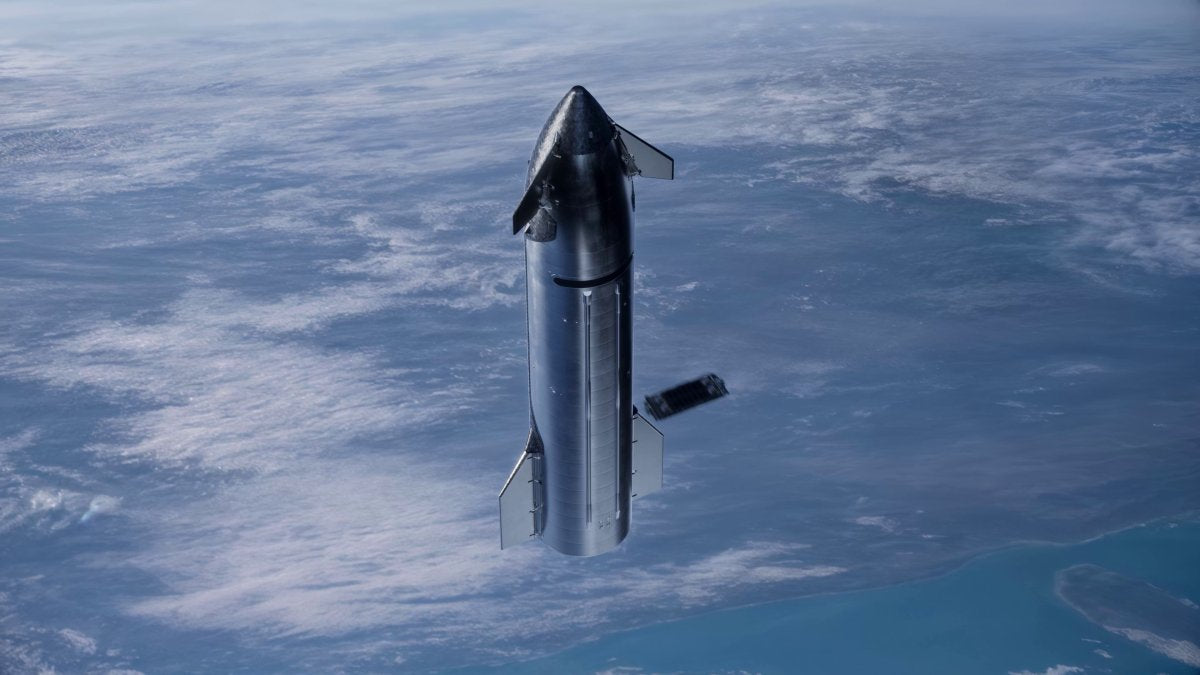

SpaceX ha adquirido xAI, formando una superentidad integrada verticalmente cuyo objetivo es lanzar al espacio la capacidad de cómputo de IA más potente del mundo.
El audaz plan de Elon Musk de poner enormes cantidades de capacidad de cómputo de IA en órbita para resolver los problemas de las redes eléctricas y los sistemas de refrigeración terrestres sería una quimera para cualquiera que no fuera Elon. La solución reside en que SpaceX construya una constelación de centros de datos en órbita alimentados por el Sol, transformando a SpaceX de un proveedor de lanzamientos y empresa de exploración en la columna vertebral de una infraestructura de IA verdaderamente fuera de nuestro planeta.
La valoración de xAI de Musk es de aproximadamente 250.000 millones de dólares, mientras que SpaceX estaba valorada en alrededor de 1 billón de dólares antes de esta transacción.
La participación de Tesla en un futuro orbital
Las implicaciones para Tesla, la otra gran empresa de Elon, son significativas. Tan solo el mes pasado, Tesla invirtió 2.000 millones de dólares en xAI para adquirir acciones preferentes de la Serie E. Con la integración total de xAI en SpaceX, Tesla obtiene efectivamente una participación indirecta en la que se ha convertido instantáneamente en una de las empresas privadas más valiosas a nivel mundial.
Esta inversión posiciona a Tesla con acceso directo a uno de los sistemas de IA de propósito general más avanzados, Grok, así como a la capacidad de lanzamiento para construir los centros de datos espaciales que Elon Musk ha propuesto. Esto garantiza que el FSD (y, por extensión, Optimus) contará con un suministro ilimitado de capacidad de cómputo para su entrenamiento y despliegue.
De los centros de datos terrestres a soles sintientes
La visión de Elon, descrita en la página de actualizaciones de SpaceX, se enmarca como un salto hacia una civilización de Tipo II en la escala de Kardashev: una sociedad capaz de aprovechar la energía de toda su estrella local.
El plan exige el lanzamiento de una enorme constelación de Centros de Datos Orbitales (ODC, por sus siglas en inglés) que obtengan energía continua de la exposición solar directa, eliminando limitaciones como el terreno, la refrigeración y la demanda de la red eléctrica.
La escala es sustancial: SpaceX aspira a lanzar anualmente 100 GW de capacidad de cómputo de IA a la órbita mediante el Starship. Cada vuelo del Starship será eventualmente capaz de transportar 200 toneladas de estos satélites de cómputo especializados.
En un plazo de 3 a 5 años, el plan de SpaceX estima que estos ODC se convertirán en el método de menor coste para generar capacidad de cómputo de IA, principalmente porque se eliminan los costes de infraestructura y el Sol proporciona energía prácticamente gratuita e inagotable.
La visión a largo plazo va más allá, proponiendo aceleradores de masa electromagnéticos en la Luna para lanzar de 500 a 1000 TW de satélites de IA al espacio profundo.
El ritmo del Starship es clave
Al igual que Starlink proporcionó el imperativo para la rápida reutilización del Falcon 9, se espera que la demanda de capacidad de cómputo de IA orbital sea el motor que impulse el ritmo operativo del Starship. Para desplegar los megatones de hardware necesarios, Elon y SpaceX tienen como objetivo frecuencias de vuelo sin precedentes —lanzamientos del Starship potencialmente cada hora—, transformando el lanzamiento espacial de un hito mensual a una operación logística similar a la de un aeropuerto.
Un frente unificado para una abundancia asombrosa
La fusión de xAI y SpaceX, con la vinculación estratégica de Tesla, se presenta como un paso hacia la misión de "abundancia asombrosa" de Elon. Ya está previsto que Grok sea la IA coordinadora para la futura flota autónoma de coches y robots de Tesla. El cerebro de Grok funcionará literalmente con energía espacial, lo que permitirá un escalado más barato y rápido.
La nueva entidad unificada de xAI y SpaceX promete acelerar la transición de la humanidad hacia un futuro multiplanetario impulsado por la IA, y la próxima década mostrará cómo estos planes pasan del concepto a la realidad.





Compartir:
Tesla ampliará el historial de grabación de la cámara de tablero, conservando hasta las últimas 24 horas de metraje
Tesla lanza un nuevo Model Y AWD más económico y elimina la denominación «Standard»