
Elon Musk Acquires APR Energy in $1 Billion Deal

The rapid expansion of artificial intelligence is colliding with a real-world constraint: the public electric grid. As Tesla, SpaceX and its xAI subsidiary, and other firms accelerate the build-out of new data centers, they are finding that utility timelines lag far behind the pace of innovation.
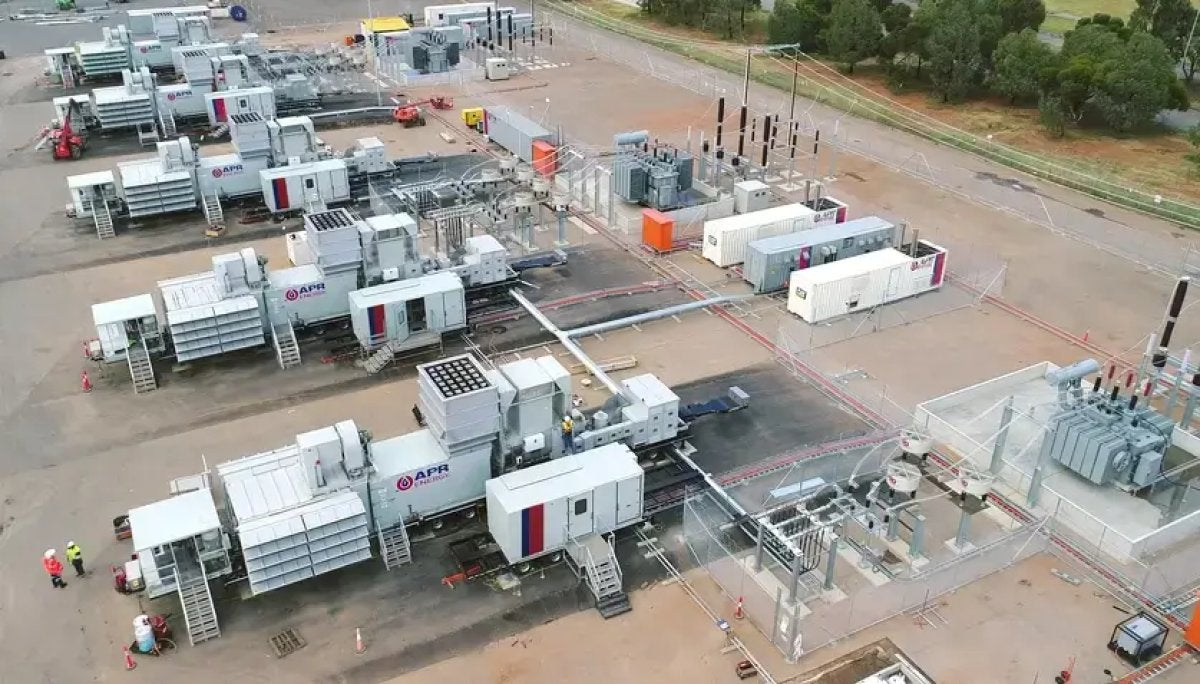
To address this, Elon Musk quietly acquired APR Energy, as indicated by recent regulatory filings. APR Energy operates a large fleet of mobile fossil-fuel generators that are likely to be positioned near Musk-affiliated data centers in the near term.
Billion-Dollar Paper Trail
Unlike Musk’s typically public dealmaking on X, this transaction drew no fanfare and surfaced through an FTC early termination notice dated May 14th, 2026. The $1 billion valuation was inferred from an SEC filing by a minority stakeholder that sold the remaining 5% stake for approximately $50.4 million, implying a total value of about $1 billion.
What is APR Energy?
Headquartered in Jacksonville, Florida, APR Energy runs a fleet of trailer-mounted gas and diesel turbines. These modular systems are built for rapid deployment, allowing them to be transported to a site and achieve full output much faster than it takes to permit and construct a permanent facility.
Bypassing Interconnects
The immediate benefit for Musk is the ability to circumvent public-utility constraints. The primary use of this fleet will almost certainly be new and growing data centers that power Tesla’s FSD training and xAI’s Grok.
Training neural networks requires immense computing resources and, consequently, substantial energy. Local grid interconnect lead times are too long for xAI or Tesla to wait while competitors scale their training capacity.
Owning mobile generators lets these compute clusters come online far more quickly.
A Paradoxical Purchase
Although strategically and financially logical, the deal involves a company that produces energy from fossil fuels. For over a decade, Elon Musk has led Tesla with a focus on sustainable energy.
The overarching goal is to expand the AI capability of Tesla and SpaceX. Deployments of mobile turbines at Musk’s data centers in Southaven, Mississippi, have already prompted lawsuits alleging violations of the Clean Air Act.
The contrast is notable alongside Tesla Energy’s recent milestones. In 2025, the company’s energy storage division deployed a record 46.7 GWh of battery capacity, and both SpaceX and Tesla are planning to build new US-based solar manufacturing facilities in 2026 and 2027.










Share:
Tesla Model Y L Launch Series Now on Display in Stores
Tesla Had Its Own Category on 'Jeopardy!' in 2014