
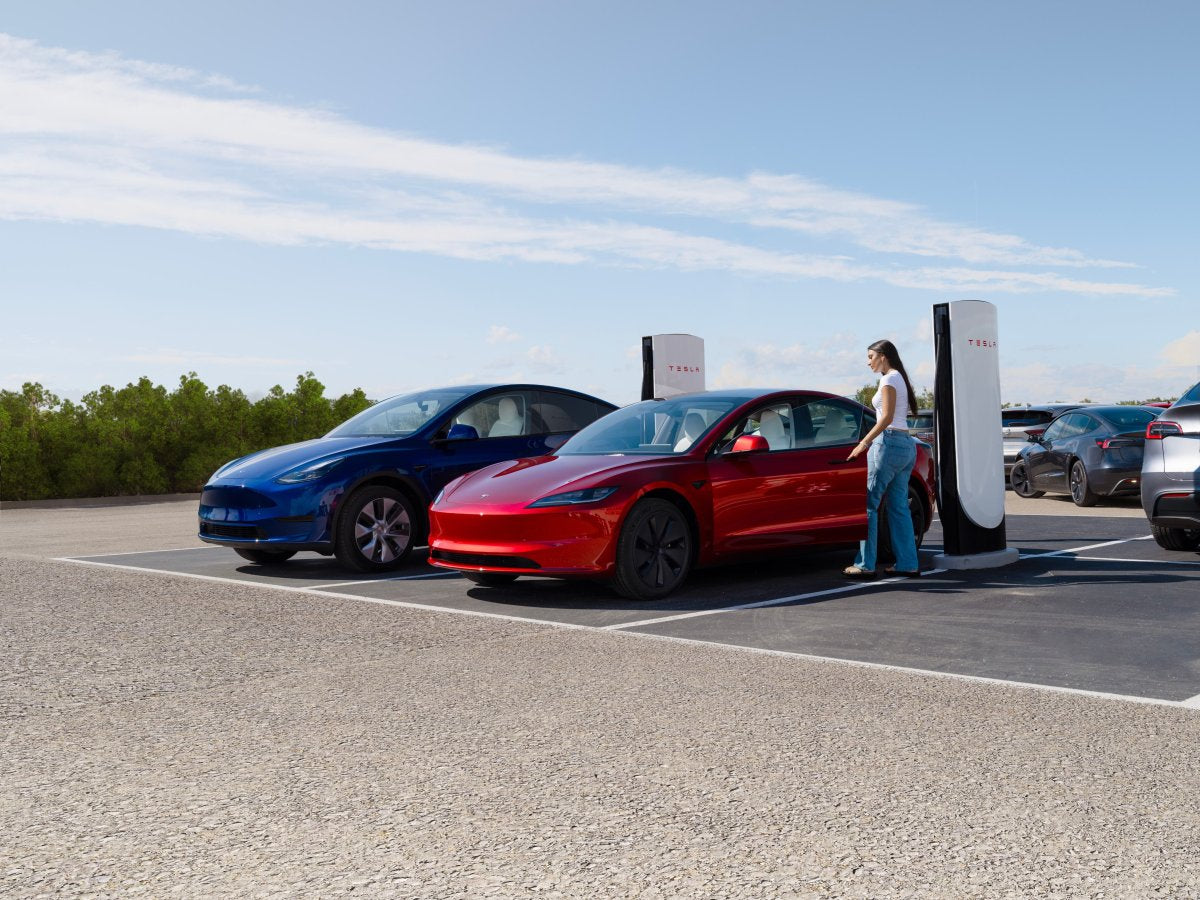

Der Kampf um geistiges Eigentum, auf dem das Laden von Elektrofahrzeugen basiert, hat sich erneut verlagert. Das United States Court of Appeals for the Federal Circuit hat Tesla einen Teilsieg in seinem laufenden Patentstreit mit Charge Fusion Technologies zugesprochen, indem es eine frühere Entscheidung zu einem Patent für Klimatisierung beim Laden aufhob, einen Anspruch für ungültig erklärte und die übrigen Punkte zur erneuten Prüfung zurückverwies.
Auch wenn dies weit vom täglichen Fahrbetrieb entfernt scheint, ist es eng mit dem verbunden, was die Nutzung des Supercharger-Netzwerks so unkompliziert macht.
Die Kehrtwende bei der Klimatisierung
Die Berufungsentscheidung konzentriert sich auf ein Patent von Charge Fusion Technologies für ein intelligentes Ladesystem für Elektrofahrzeuge, das automatisch die Klimaeinstellungen verwaltet, während das Fahrzeug parkt und lädt, etwa um die Klimaanlage für ein Haustier im Innenraum eingeschaltet zu lassen.
Tesla hatte das Patent zuvor vor dem Patent Trial and Appeal Board angefochten und geltend gemacht, dass die Technologie angesichts des Stands der Technik offensichtlich sei. Das Gremium entschied zunächst gegen Tesla.
Im Berufungsverfahren stellte das Gericht fest, dass das Gremium den Hauptanspruch rechtlich falsch ausgelegt hatte, hob diese Entscheidung auf und erklärte den Anspruch auf Klimatisierung für nicht patentfähig.
Während der Hauptanspruch gekippt wurde, blieben andere Ansprüche, die komplexere Berechnungen in Bezug auf Batteriekapazität und Ladezeit betreffen, unangetastet und werden in kommenden Verfahren erneut geprüft.
Konflikt um automatisiertes Laden
Dieser Teilsieg kommt Monate nach einem Rückschlag mit demselben Unternehmen. Anfang des Jahres fällte das Bundesberufungsgericht eine geteilte Entscheidung, die ein anderes Patent von Charge Fusion bezüglich der Ladeautomatisierung bestätigte.
Dieses Patent betrifft die Plug-and-Charge-Funktionalität – die Fähigkeit, die es Besitzern ermöglicht, an einer Ladestation zu parken, den Stecker einzustecken und den Ladevorgang fortzusetzen, ohne diesen manuell über ein Zahlungsterminal, eine App oder die Fahrzeugsteuerung starten zu müssen.
Die Bedeutung von Software-IP
Da Elektrofahrzeuge und Ladestationen hardwareseitig zunehmend standardisiert werden, beruhen Wettbewerbsvorteile zunehmend auf Softwarearchitekturen, einschließlich Funktionen wie dem Haustier-Modus oder Plug-and-Charge.
Indem Tesla diese Patente auf Bundesebene anfechtet, arbeitet das Unternehmen daran, seine Fähigkeit zu sichern, das Supercharger-Netzwerk in Nordamerika so zu betreiben, wie es dies heute tut.
Der Teilsieg beim Patent für die Klimatisierung unterstreicht Teslas Bereitschaft, langwierige Rechtsstreitigkeiten zu führen, um die Benutzerfreundlichkeit des Supercharger-Netzwerks zu schützen.


Teilen:
Tesla führt 3D-Supercharger-Standortkarten in Kanada ein
Tesla baut eine spezielle Robotaxi-Waschanlage in Las Vegas