
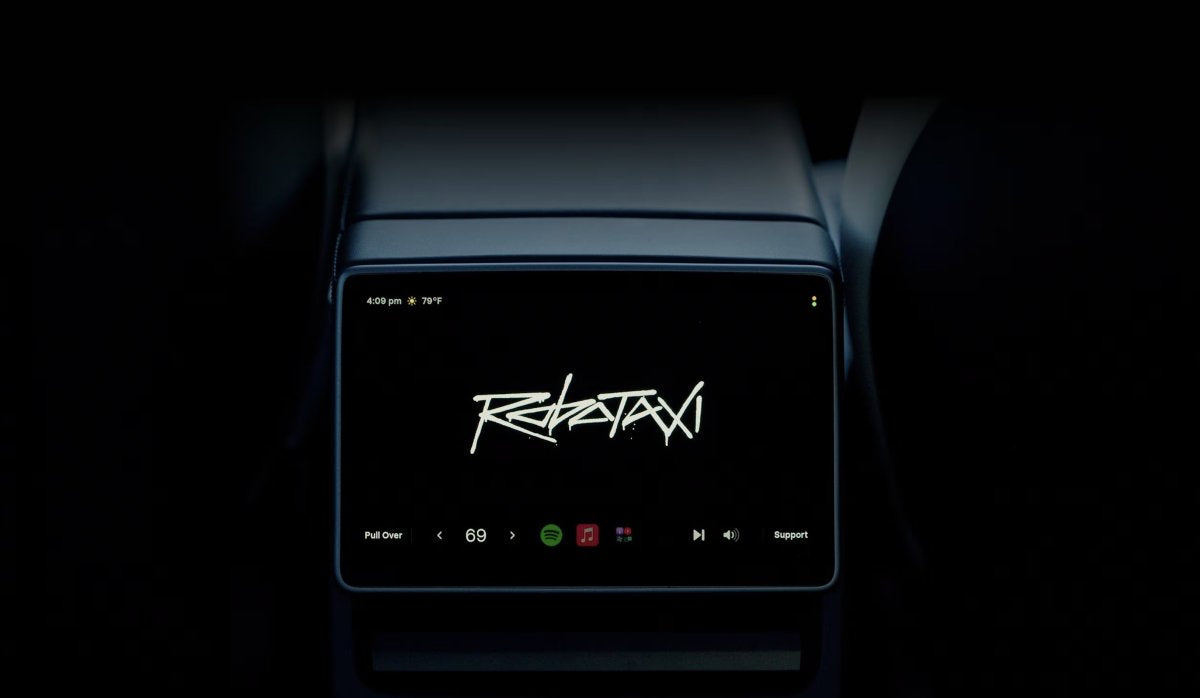

Tesla hat die Preise für seinen autonomen Ride-Hailing-Dienst in Austin erneut angepasst. Dies ist die zweite Änderung innerhalb von zwei Wochen und bedeutet eine Abkehr von der extrem günstigen Struktur der Anfangsphase.
Den neuesten Daten des Robotaxi Tracker zufolge beträgt der neue Fahrpreis eine Grundgebühr von 3,00 $ plus 1,40 $ pro Meile. Die Grundgebühr ist etwas niedriger als beim letzten Update, aber der Preis pro Meile ist um 40 % gestiegen.
Neue Preisgestaltung
Die aktuelle Formel lautet: 3,00 $ + (Meilen × 1,40 $). Erst letzte Woche hatte Tesla die Grundgebühr von 1,00 $ auf 3,25 $ erhöht, während die Kosten pro Meile bei pauschal 1,00 $ blieben. Diese Änderung senkt die „Eintrittsgebühr“ zwar etwas, macht die Fahrt selbst jedoch deutlich kostspieliger.
Hier sehen Sie den Vergleich der heutigen Preise mit der vorherigen Struktur (3,25 $ Basis + 1,00 $ pro Meile) und der Struktur von letzter Woche (1,00 $ Basis + 1,00 $ pro Meile).
| Fahrt | Heute | Vor 4 Tagen | Letzte Woche |
|---|---|---|---|
| 2-Meilen-Fahrt | 5,80 $ | 5,25 $ | 3,00 $ |
| 5-Meilen-Fahrt | 10,00 $ | 8,25 $ | 6,00 $ |
| 10-Meilen-Fahrt | 17,00 $ | 13,25 $ | 11,00 $ |
| Kosten | 3 $ Basis; 1,40 $ / Meile | 3,25 $ Basis; 1 $ / Meile | 1 $ Basis; 1 $ / Meile |
Auf längeren Strecken in Austin summieren sich die höheren Meilenkosten schnell, wodurch der Dienst im Vergleich zu herkömmlichen Ride-Hailing-Anbietern weniger zu einer „selbstverständlichen Wahl“ wird. Er bleibt jedoch deutlich günstiger als Waymo, und bei einer Fahrt im Robotaxi fällt kein Trinkgeld an.
Eine sich schnell ändernde Preisgeschichte
Der Dienst wurde letzten Sommer offiziell in Austin gestartet. Er begann mit einem Pauschalpreis von 4,20 $ und wurde dann auf 6,90 $ angehoben, als das Geofencing zum ersten Mal erweitert wurde.
Im Juli 2025 gab Tesla die Pauschaltarife zugunsten eines konventionelleren dynamischen Preismodells auf. Im Januar 2026 startete Tesla vollständig unüberwachte Fahrten, die es Passagieren ermöglichen, ohne menschlichen Sicherheitsfahrer oder Überwacher an Bord zu reisen. Nach sechs Monaten Preisstabilität deuten die beiden aufeinanderfolgenden Erhöhungen darauf hin, dass Tesla bei der weiteren Skalierung auf Rentabilität setzt.
Regulierung von Nachfrage und Wartezeiten
Höhere Preise sollen möglicherweise auch die langen Wartezeiten in Austin angehen, wo die Nachfrage häufig zu Verzögerungen von 10 bis 15 Minuten geführt hat – vertretbar für ein kleines Pilotprojekt, aber nicht ideal für einen breit angelegten Ride-Hailing-Dienst.
Eine Erhöhung des Meilenpreises kann die Nachfrage drosseln, indem sie sehr kurze, nicht unbedingt notwendige Fahrten unattraktiver macht und die Fahrzeuge für Fahrgäste verfügbar hält, die sie wirklich benötigen. Bis die aktive Flotte deutlich wächst, dürften diese „Surge“-ähnlichen Grundpreise wahrscheinlich bestehen bleiben.
Das Robotaxi bleibt ein Aushängeschild autonomer Technologie, aber die Ära der extrem günstigen Fahrten durch die Stadt scheint vorbei zu sein. Mit der Reifung des Dienstes wird die Preisgestaltung wahrscheinlich volatil bleiben, während Tesla nach dem „Sweet Spot“ zwischen Erschwinglichkeit und Flottenverfügbarkeit sucht.





Teilen:
Tesla Energy erhält Lizenz zur Stromversorgung in Großbritannien.
Musk verweist auf Ruhephase bei SpaceX und prognostiziert Mondbasen sowie Mini-Mammuts