

Robotaxi Plans Add 85 MPH, Confirm Starlink, Hint at Owner Vehicles
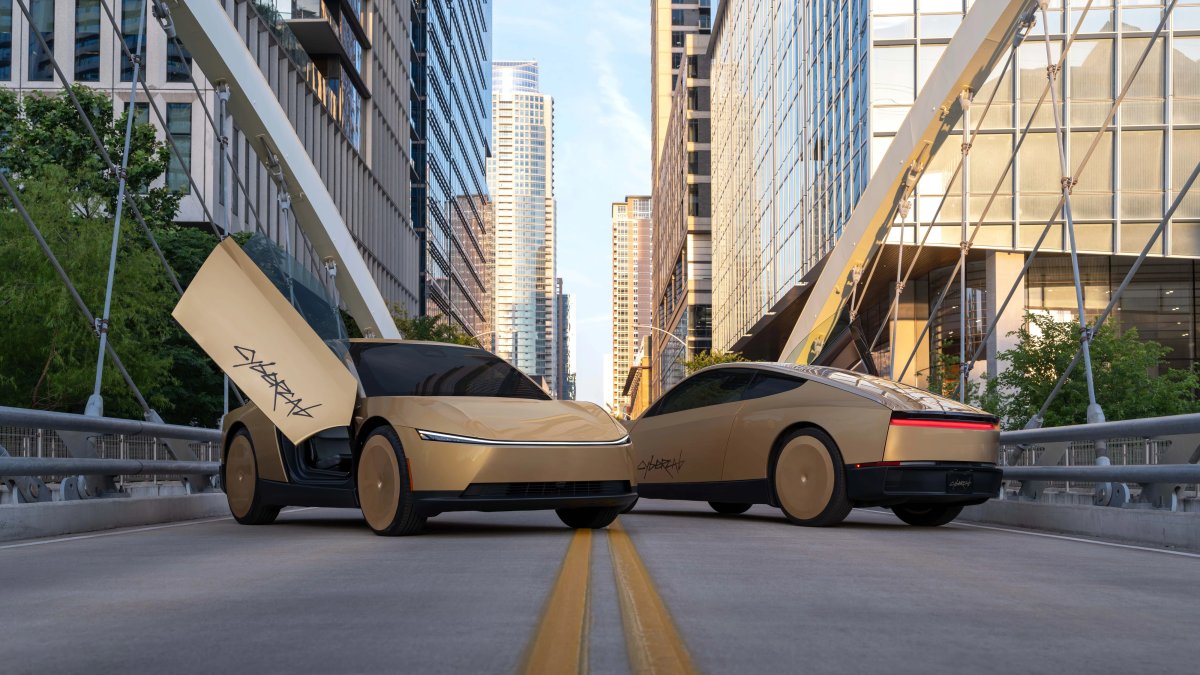
Tesla updated its Robotaxi First Responder Interaction Plan, signaling what may arrive next for the service. As X user @scotsrule08 observed, the Cybercab plan moved from version 1.2 to 1.3, while the Model Y Robotaxi plan is now on version 1.6. Both are dated November 20, 2026. The revisions confirm new Cybercab hardware, add highway-speed operation, and remove a line stating that Tesla owns every vehicle on the Robotaxi network.
NEWS: Tesla just updated its Robotaxi First Responder Interaction Plans. Cybercab moves from v1.2 to v1.3, and the Model Y plan is now v1.6. Both are dated Nov 20, 2026.
— Spencer (@scotsrule08) November 20, 2026
Here s what changed 🧵 pic.twitter.com/5fX5VQPXiW
Cybercab V1.5 Hardware Confirmed
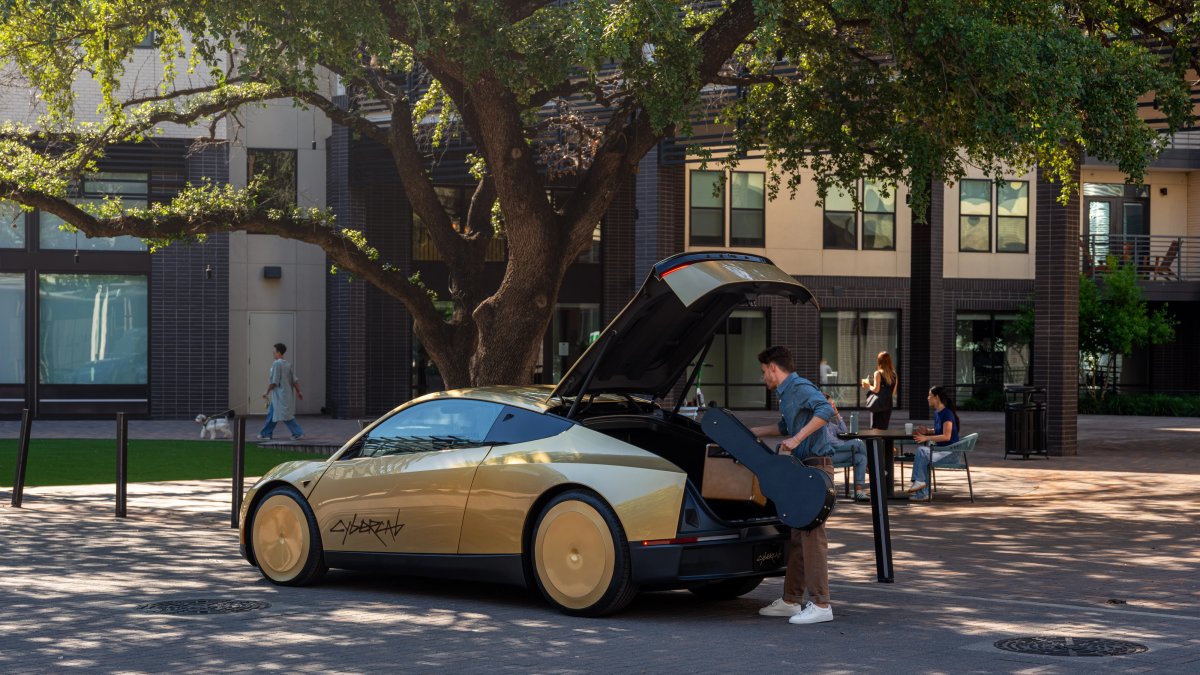
When Tesla launched Cybercab rides in Dallas earlier this week, Robotaxi lead Eric Earley called the vehicles there "Cybercab V1.5." Riders quickly noticed an integrated Starlink dish and a new camera in the trunk lid.
Looking around the car for upgrades on this v1.5 cybercab unit and found a camera in the rear trunk lid. 👀
— Dallas Tesla David (@dallastesla) November 19, 2026
Will be interesting to see what other things people find upgraded on this new v1.5 version of cybercab 💪🏼 pic.twitter.com/VfoeLlI6uy
The updated plan confirms that every Cybercab built from November 2026 onward has a Starlink unit in the trunk lid, "which helps provide more reliable connectivity," along with an interior-facing trunk camera. Tesla had already shown off a Cybercab with an integrated Starlink V5 dish in July, and the trunk camera appeared to be part of the production Cybercab design early on but is now making it into commercial units. The original first responder guide provided the first look at the Cybercab s 400-volt battery, airbags, and other details, and around the same time, it became clear that it uses more powerful FSD hardware than current Model 3 and Model Y vehicles.
Highways and Owner Vehicles
The guide now states the Cybercab and Model Y Robotaxi are "designed to operate on public roadways with posted speed limits up to 85 MPH." That includes highways and interstates. Tesla started testing Robotaxis on Austin highways more than a year ago, but highway rides haven t been widely available to riders.
Tesla also removed the line, "All Robotaxi vehicles are owned and operated by Tesla at this time." Since Tesla now takes Cybercab orders from individual buyers, with the first deliveries expected next month, it appears the company is preparing to let owner vehicles join the Robotaxi network. Musk recently said that early access for adding personal vehicles to the Robotaxi service could roll out next month.
California on the Horizon
The plans now reference an "Arizona or California Areas of Operation Appendix," where previously only Arizona was mentioned. Tesla has named Phoenix as one of its next Robotaxi markets, along with Las Vegas and Jacksonville, so the Arizona reference isn t a surprise.
California is more notable. In the San Francisco Bay Area, Tesla has operated a ride-hailing service for some time, but every ride still includes a safety driver because state regulators haven t approved unsupervised rides. Adding California to the plan suggests Robotaxi developments there could be approaching.
Changes for First Responders
Tesla s guidance for police and first responders includes several updates. First responders can now disconnect the first responder loop at a connector rather than cutting it, and Cybercabs built from November 2026 have a second, easier-to-reach backup loop behind the B-pillar camera. Robotaxis that end up inside a first-responder geofence are now designed to drive themselves out of it.
With FSD v15 expected next month, highway rides, owner-operated Cybercabs, and California could all be next on Tesla s Robotaxi list.

Teilen:
Tesla 2026.44.1 liefert FSD v14.3.13 für HW4 und v14.3 Lite für HW3 aus
Tesla Sends 2026 Meeting Invites for December 3 at Giga Texas