
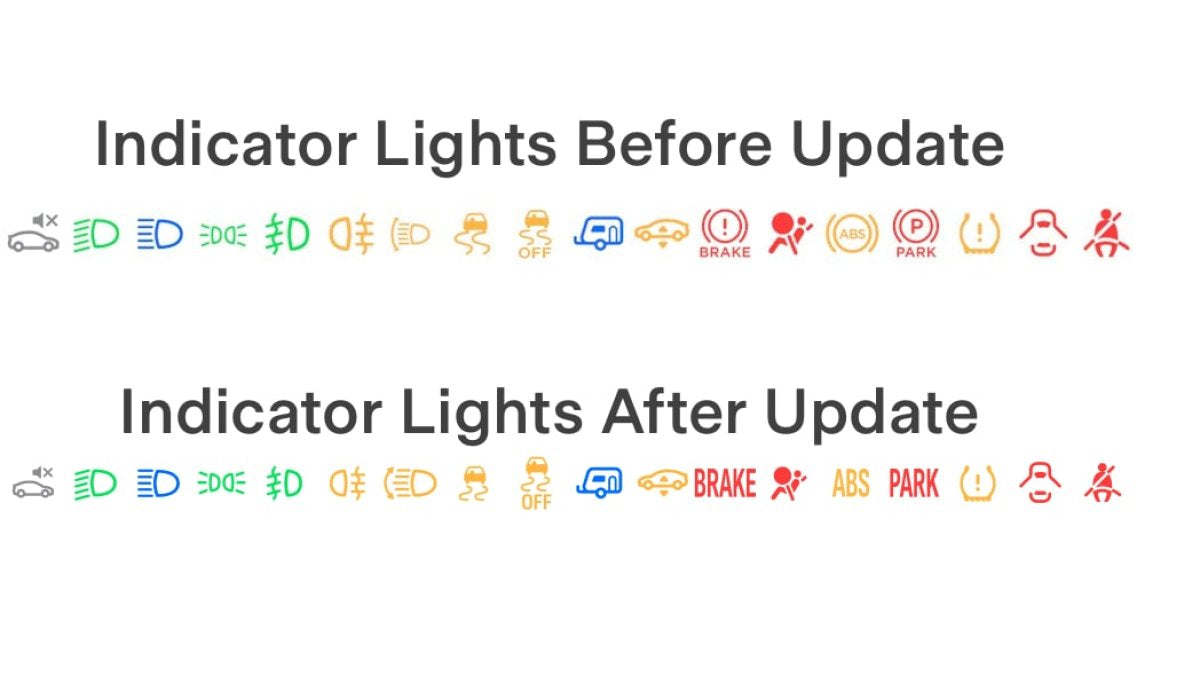
Tesla recalls can range from an over-the-air software update to a physical repair at a service center. Although the term recall may suggest returning the vehicle, many Tesla recalls are addressed through software updates.
What Is a Vehicle Recall?
A recall is issued when a manufacturer or the National Highway Traffic Safety Administration (NHTSA) in the U.S. determines that a vehicle presents a safety risk or does not meet federal safety standards.
Manufacturers must provide an appropriate remedy, which may involve repairing or replacing a component, issuing a software fix, or, in extreme cases, repurchasing the vehicle.
Software Fix vs. Physical Recalls

The reason for a recall can vary drastically, from simple icon changes to addressing hardware issues that could prevent a vehicle from operating.
Tesla has historically had very few physical recalls. Most Tesla recalls are fixed with a simple update without the owner even being aware of the change. When a recall includes user-facing changes, Tesla will typically mention the changes in the software release notes. However, if it simply fixes an issue, then it often goes undocumented in Tesla’s release notes.
Sometimes, Tesla introduces a software bug that results in a recall, only to be addressed later by another update. We saw this happen earlier this year when the rearview camera in vehicles could take seconds to appear after the vehicle was shifted into reverse.
Whether the fix involves a software update or a physical fix, the issue is still identified as a recall when it concerns safety or federal requirements.
Getting Clever With Software
Tesla will sometimes get creative with fixes to avoid a more costly physical recall. Back in 2024, Tesla had an issue with some seat sensors that determine whether the seat is occupied. Instead of recalling these vehicles and replacing the sensor, Tesla started using the cabin camera to determine whether someone is sitting in the seat.
How to Check Whether Your Tesla Has a Recall
While most fixes are addressed automatically through software updates, some do require owners to bring their vehicle in to a service center or use Tesla’s mobile service.
U.S. owners can use NHTSA’s website or the website of the country’s governing body to check whether their vehicle has any recalls that need to be addressed.
Just visit the NHTSA recall lookup, select your state, and enter your license plate, or search with the 17-character VIN.
Tesla also has their own recall tool that can be used. Simply visit Tesla’s VIN Recall tool and enter your vehicle’s VIN number to see any recalls tied to your vehicle.
You can grab your vehicle’s VIN by looking at the bottom left corner of the vehicle’s windshield or by using the Tesla app. In the app, scroll all the way down and press and hold the VIN to copy it to your clipboard.
If physical service is required, you can schedule and manage an appointment through the Tesla app.







Teilen:
Tesla Model 3 vs. Model Y: Reddit Owners Say One Question Settles the Choice
Musk Hints Starlink Is Coming to Future Teslas as Cybercab Shows Integrated Dish