
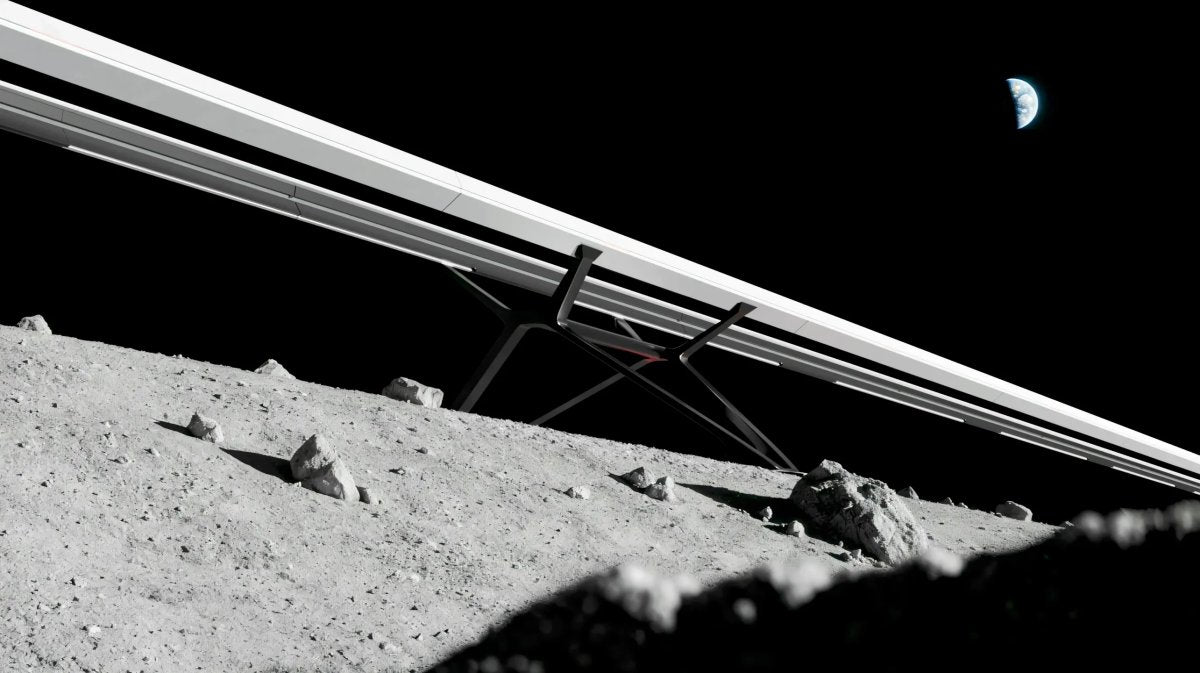

Tesla and SpaceX could soon be combined into a single company, according to Wedbush Securities analyst Dan Ives. In a recently issued research note, he predicted that Elon Musk's two most valuable companies would merge into a single entity by 2027.
Ives argues that the groundwork is already being laid and highlights the newly announced Terafab project as a key catalyst for the potential combination.
The TERAFAB Connection
At the recent TERAFAB launch event in Austin, Elon Musk revealed a joint chip manufacturing facility intended to serve both Tesla and SpaceX simultaneously. According to Ives, this shared infrastructure is a critical first step toward bringing their operations together.
By building shared facilities to produce next-generation silicon like the AI5, AI6, and D3 space chips, the two companies are operating on a closely aligned hardware roadmap that makes a formal merger more feasible in the near future.
Laying the Financial Groundwork
The financial ties between the companies are strengthening. Earlier this year, SpaceX officially acquired xAI, Musk's artificial intelligence startup, and as part of that deal, Tesla's previous $2 billion investment in xAI was converted directly into SpaceX shares. While this currently represents less than a 1% stake in SpaceX, it formally links the two companies financially for the first time.
The next major milestone is a SpaceX initial public offering, reportedly targeting a $1.75 trillion valuation to raise roughly $75 billion by mid-June of 2026. Ives suggests that completing this public offering is a necessary step before any formal merger with Tesla can occur.
The Ultimate AI Ecosystem
Although combining an automaker with a space exploration company may seem unconventional, Ives frames the move as a bid to lead in artificial intelligence. Musk has repeatedly expressed an ambition to build a vertically integrated innovation engine, and merging Tesla and SpaceX would consolidate his AI ecosystem under one organization.
The resulting entity would encompass the terrestrial robotics of Optimus, Tesla's autonomous driving data, and SpaceX's orbital AI compute infrastructure. Such a merger would also provide Tesla with direct access to space-based data centers to train the next generation of neural networks without relying on an overloaded terrestrial power grid.
The Upside for Tesla
Despite substantial regulatory and antitrust challenges, Wedbush remains highly positive on the prospect. Ives sees the combination as a way for Musk to strengthen control over a disruptive technology platform and reiterates an Outperform rating on Tesla stock.
He maintains a $600 price target for the automaker, which implies nearly 66 percent upside from current trading levels of $360. If the prediction proves accurate, 2027 could mark the rise of the most powerful technology conglomerate in human history.














Teilen:
New AI Breakthrough May Bring Full FSD V14 to Tesla’s HW3 Vehicles
New Tesla Patent Doubles Steer-by-Wire Rotational Range