
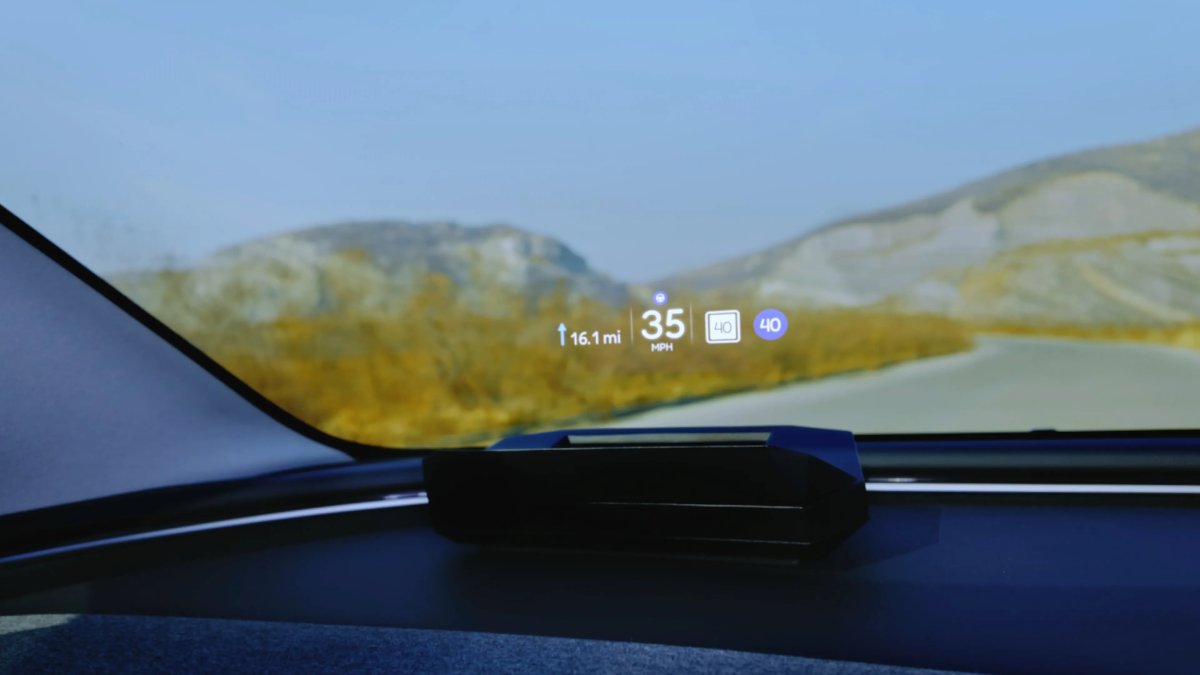

Tesla interiors center around a large touchscreen and streamlined software, which keeps the cabin minimal and simplifies manufacturing. However, many owners still prefer a heads-up display (HUD) that keeps key information in direct view.
A new Kickstarter project, NeuroHUD, aims to provide a customizable HUD designed specifically for Teslas.
Why Tesla Owners Want a HUD
In a Tesla, drivers glance at the center display to check speed, navigation, or FSD information, which briefly takes eyes off the road.
A HUD places critical details in the driver’s line of sight, either projected on the windshield or shown on a transparent screen.
What Is NeuroHUD?
NeuroHUD is a heads-up display ($379) by TrantorVision. Instead of tapping into vehicle wiring or altering the dashboard, it uses cameras in combination with Tesla’s API to pull vehicle data.
The system reads items like speed and turn signals directly from Tesla’s screen with very low latency, while the API provides other vehicle data. Because it avoids cutting wires or accessing internal systems, installation is simpler than with most aftermarket HUDs.
Features
Beyond speed, NeuroHUD can show:
- Tesla navigation
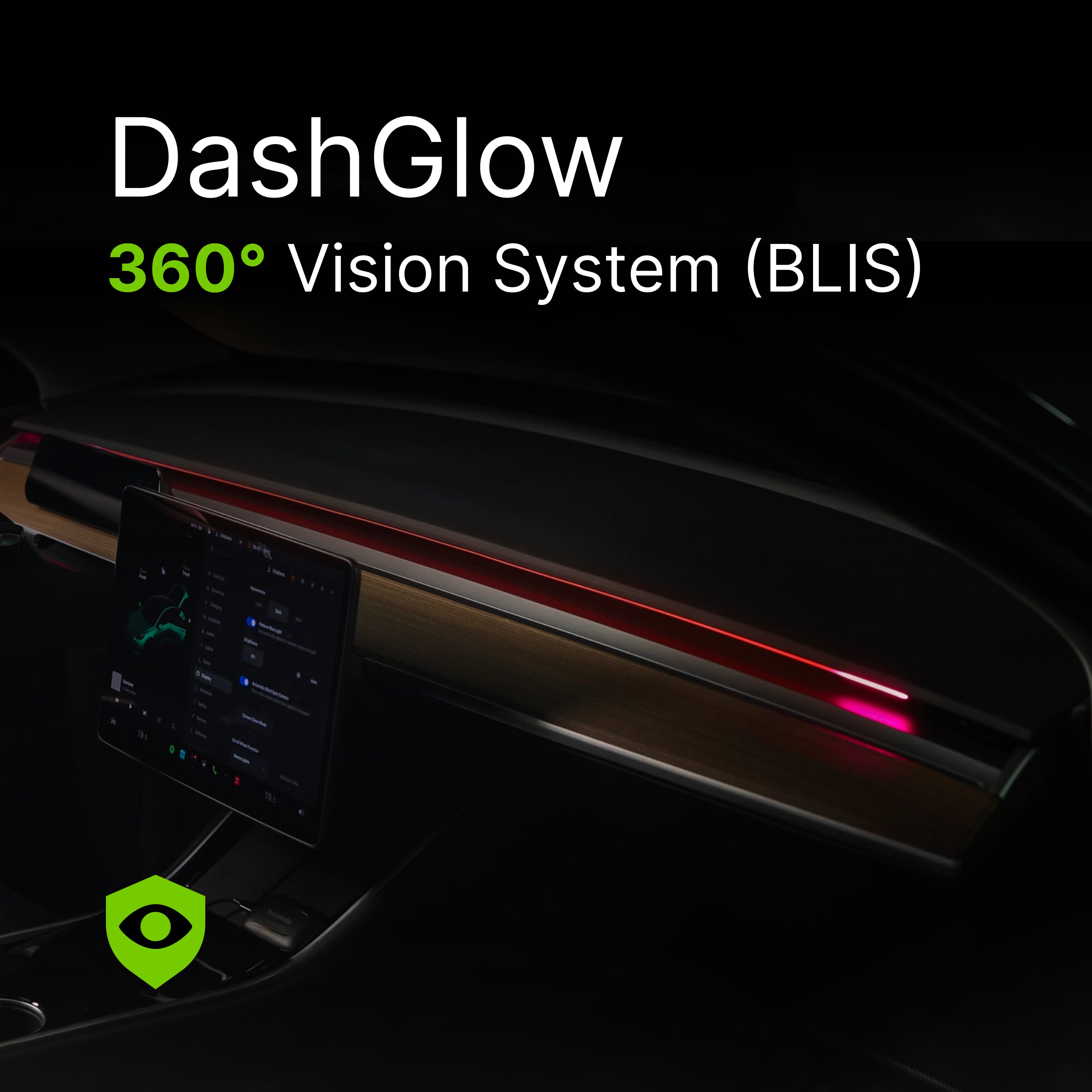
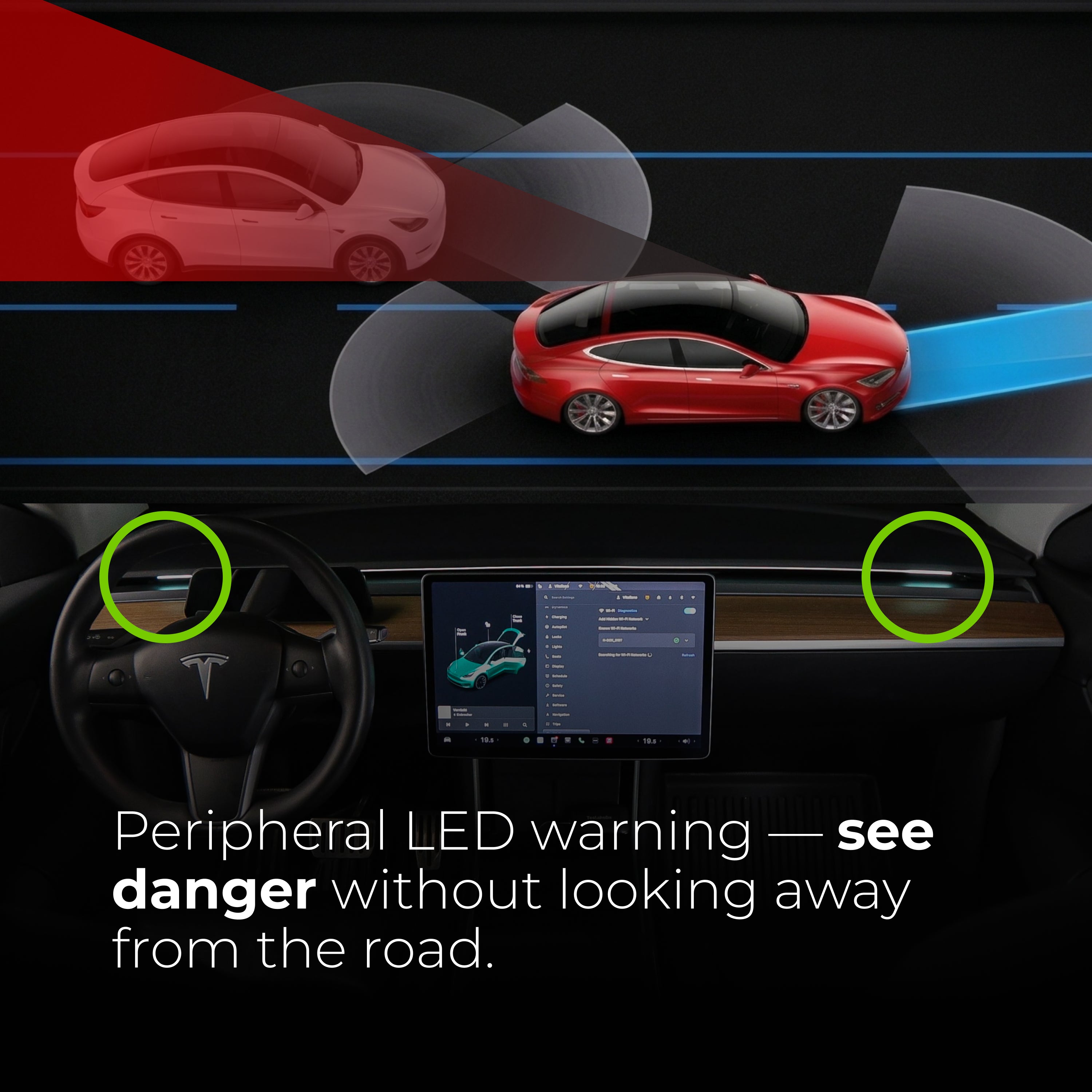
- Blind spot alerts
- Autopilot takeover warnings
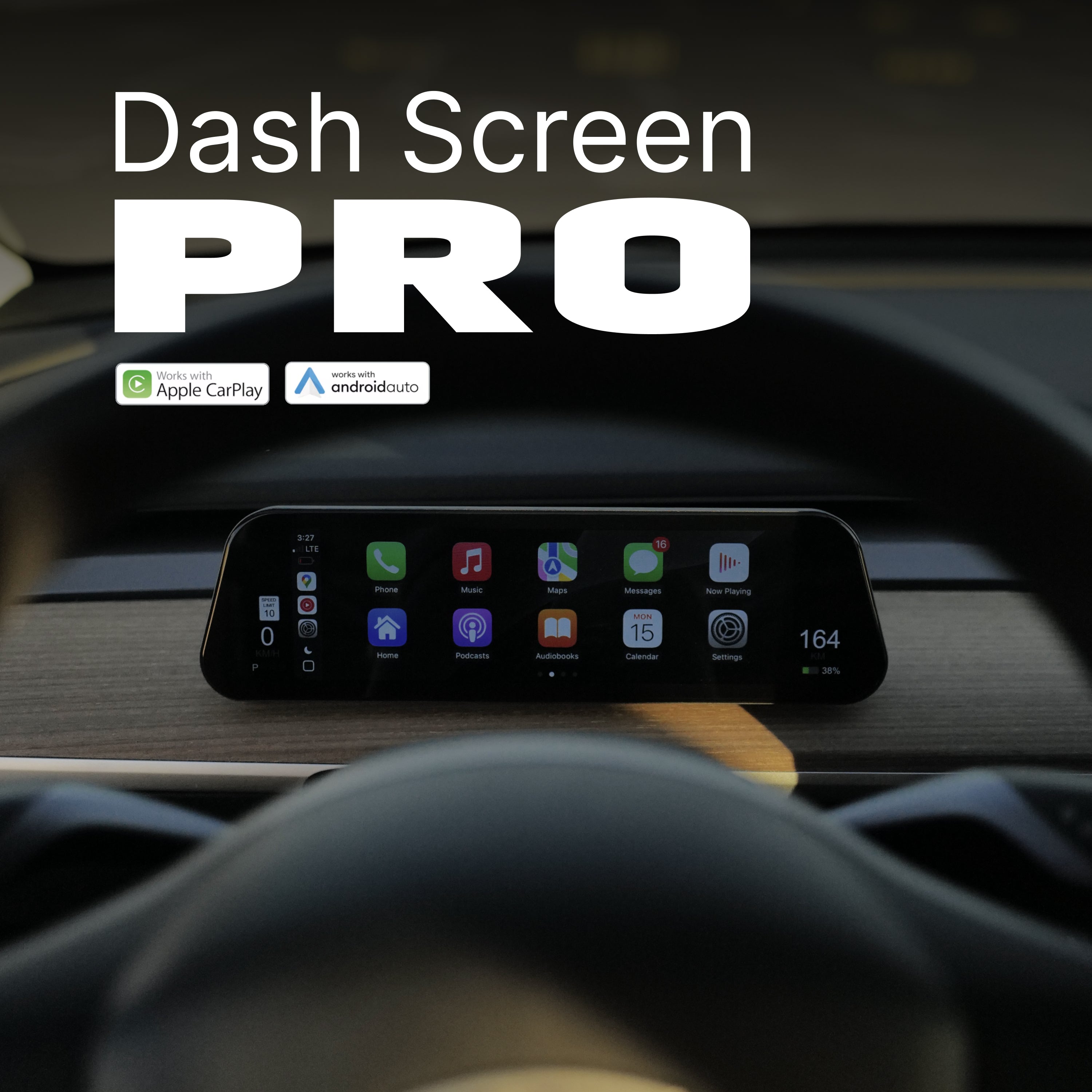
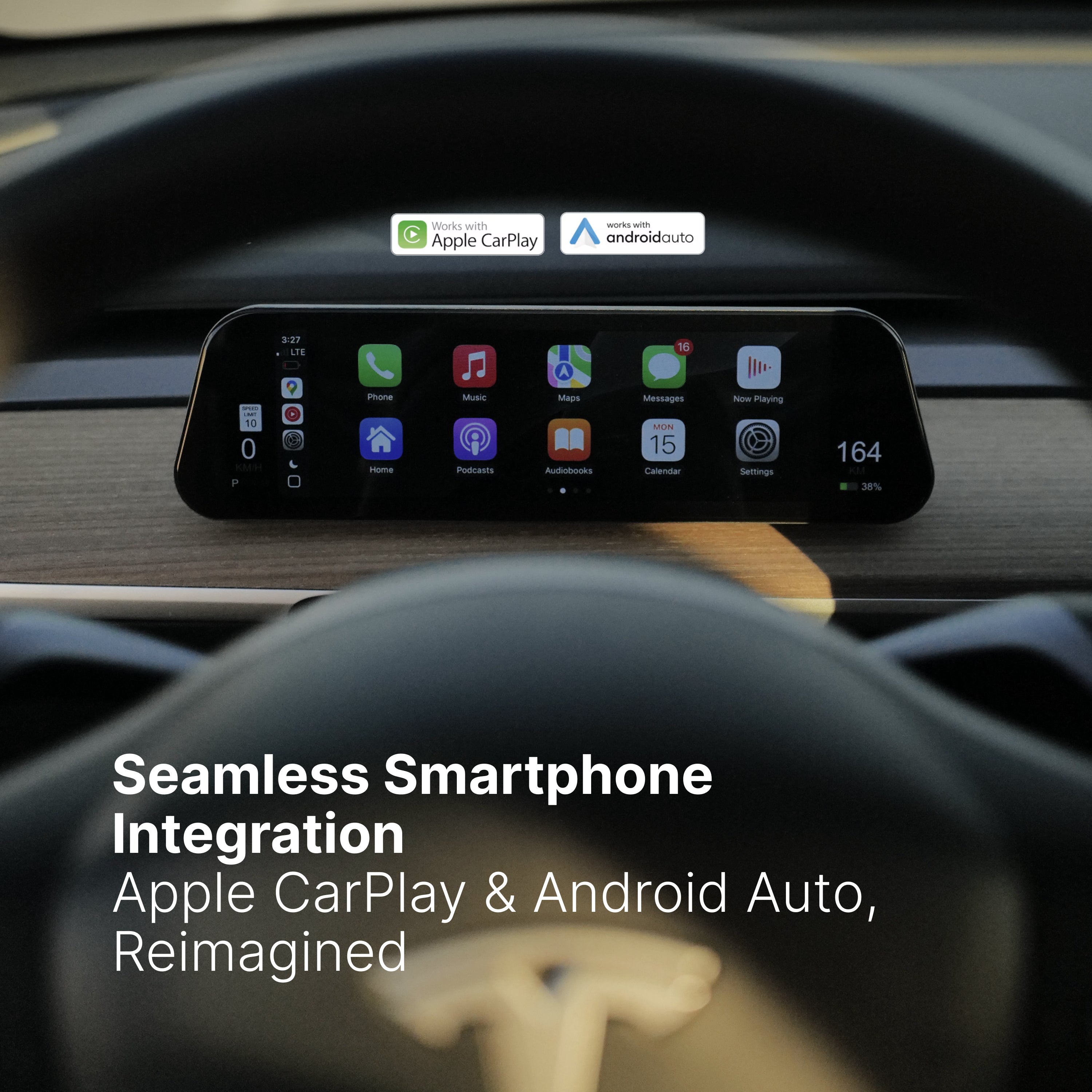
- Apple CarPlay and Android Auto
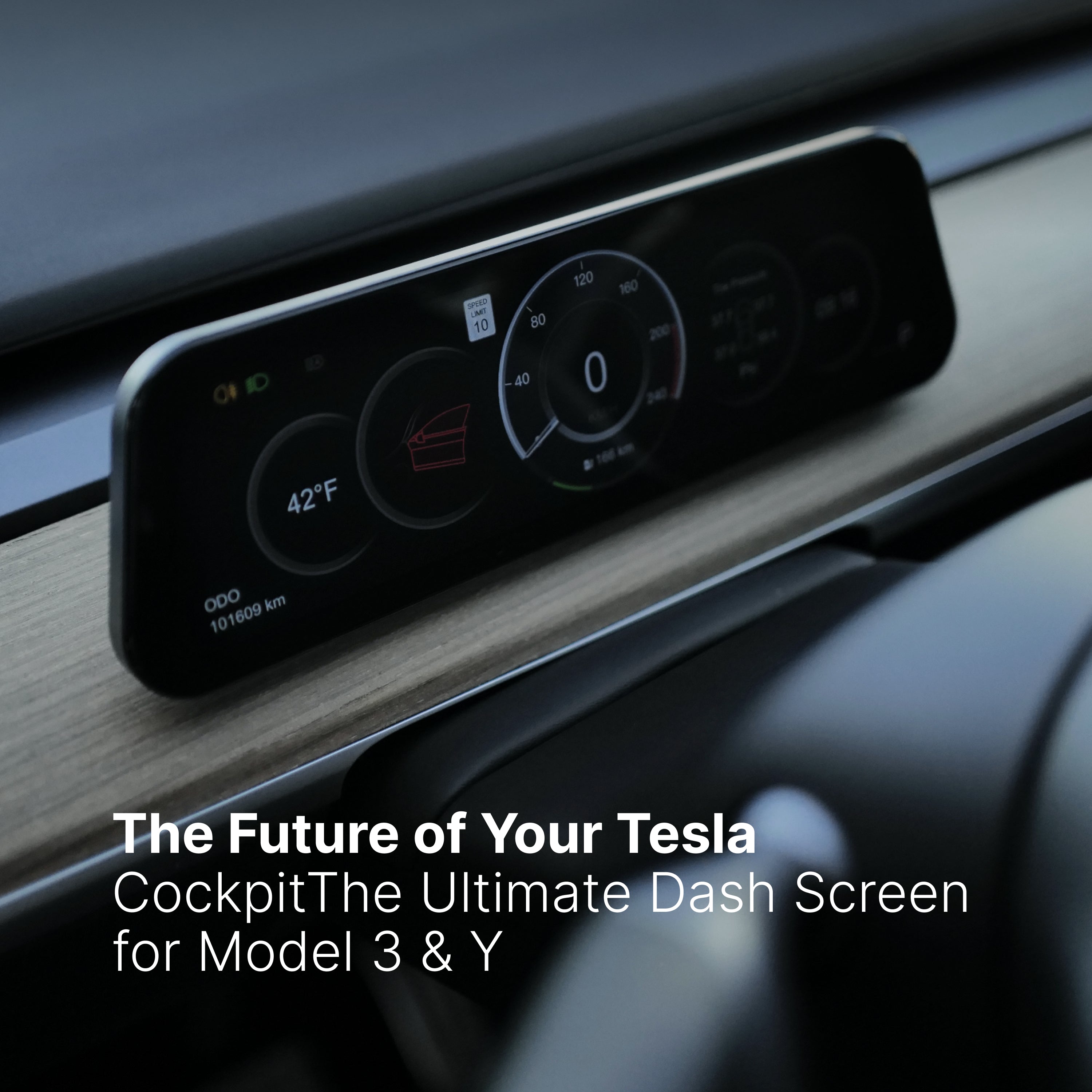
Drivers can project onto the windshield or use a dedicated screen for a brighter image.
There’s also a Pro version with LTE support that enables over-the-air updates and Tesla API commands. As a bonus, the device can control garage doors via RF signals, much like Tesla’s HomeLink, and it will open your garage as you approach your home.
Customization
Users can tailor the interface by adjusting the layout, resizing elements, removing unneeded information, and uploading custom themes through a mobile app.
The company also plans to support community-created layouts that owners can share with one another.
Vehicle Compatibility
Because NeuroHUD relies on a specific footprint and an AI vision model calibrated to read the 15-inch screen, compatibility is currently targeted at the legacy and refresh Model 3 and Model Y, as well as any version of the Cybertruck.
NeuroHUD has not confirmed compatibility with Tesla’s 16” QHD displays in the Model Y; support for that is expected around the project’s launch.
At this stage, it does not support the Model S or Model X. Their dashboard design and instrument cluster would require adaptation, and the developers note that future compatibility is possible depending on demand.
NeuroHUD Pricing
During the initial Kickstarter campaign, the standard base model is priced at $379, while the Pro variant is priced in the mid-$400 range.
The development team’s goal is to build an exceptional device rather than a budget alternative. For example, a sophisticated dual-camera module raises manufacturing overhead, with each camera costing up to $30.
Model 3 Finally Gets Its Heads-Up Display
Tesla initially planned to release the Model 3 with a heads-up display, but the feature was ultimately scrapped, likely due to complexity or increased cost.
For drivers who want a heads-up display, NeuroHUD provides a compelling way to fill that gap.


Share:
Tesla Files New Roadster Trademark Ahead of Public Reveal
Tesla's 6-Seat Model Y L Spotted Under Covers at Giga Texas