

Tesla Roadster Details: Thrusters, 330 mph Claim, 0-60 in 0.81s
Tesla’s dramatic Roadster reveal centered on flips, flight, and extreme acceleration, but subsequent close-up walk-throughs by designers and engineers surfaced many lesser-known specifics about the car.
A Fourth Trim Joins the Lineup
Although Tesla’s official Roadster reservation page lists three trims, Franz von Holzhausen confirmed there is a fourth. The range will include a standard Roadster, followed by Performance, Thrust, and Rocket. The standard model targets 1 MW of power (about 1,340 hp) and roughly 960 lb-ft of torque, though final specifications remain unsettled.
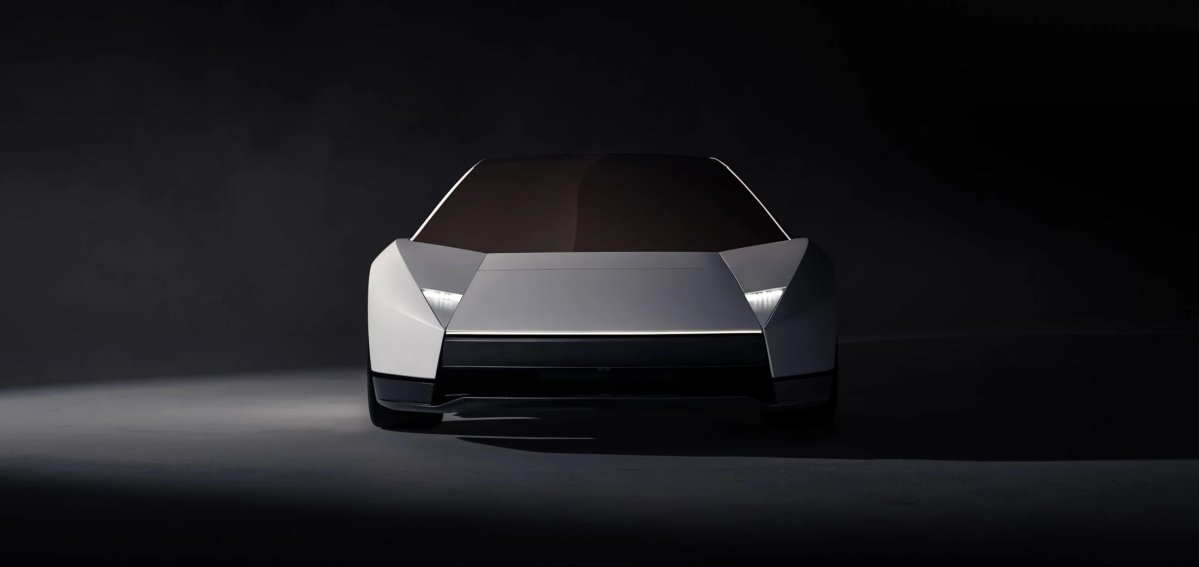
Founders Series Orders Converted to Thrust
Customers who placed $250,000 deposits for the Founders Series in 2017 have been moved to the Thrust trim, which adds rear cold-gas thrusters enabling 0–60 mph in under 1 second (via @CARN0N). Tesla demonstrated a 0–60 mph run in just 0.81 seconds at the reveal event.
Two Motors, Rear-Wheel Drive
All Roadster variants are rear-wheel drive with two motors—one fewer than the Model S Plaid. Each motor has its own inverter to support torque vectoring. Despite using fewer motors, the Roadster’s drive unit delivers one-third more power than the Plaid while weighing half as much.
Thrusters Exceed F-16 Thrust
The Thrust trim’s cold-gas system produces more than 80 kN, or about 18,000 pounds of thrust—greater than an F-16 engine at military power without afterburner (about 79.2 kN). “The new Tesla Roadster accelerates faster than a fighter jet taking off from an aircraft carrier,” Musk recently wrote on X.
Refilling the high-pressure gas tank that supplies five seconds of thrust currently takes two to six hours; Tesla aims to reduce that to about half an hour.
330 mph Requires Thrusters
The claimed 330 mph top speed relies on the thruster system and therefore applies to the Thrust and Rocket trims. For now, the Roadster’s listed top speed is 214 mph, while Musk wants higher-end versions to eventually exceed half the speed of sound (383 mph).
Push-to-Pass e-Boost Button
An e-boost button provides a brief surge of power for passing, similar to Porsche’s approach. Launches are configured through the touchscreen instead.
Deployable Skirts and Fan-Based Suction
Hidden skirts help enable inverted driving. When the fan-based suction system activates, skirts extend along the sides, front, and rear under the battery pack to narrow the ground gap and create a vacuum that pulls the car down with about 2 Gs of force. Because the skirts are movable, they can flex for bumps and debris; at higher speeds, the front and rear skirts retract to allow airflow beneath the car. Tesla says the system “acts as a downforce generator, pulling air out from beneath the vehicle,” with enough suction to hold the car upside down, even at a standstill.
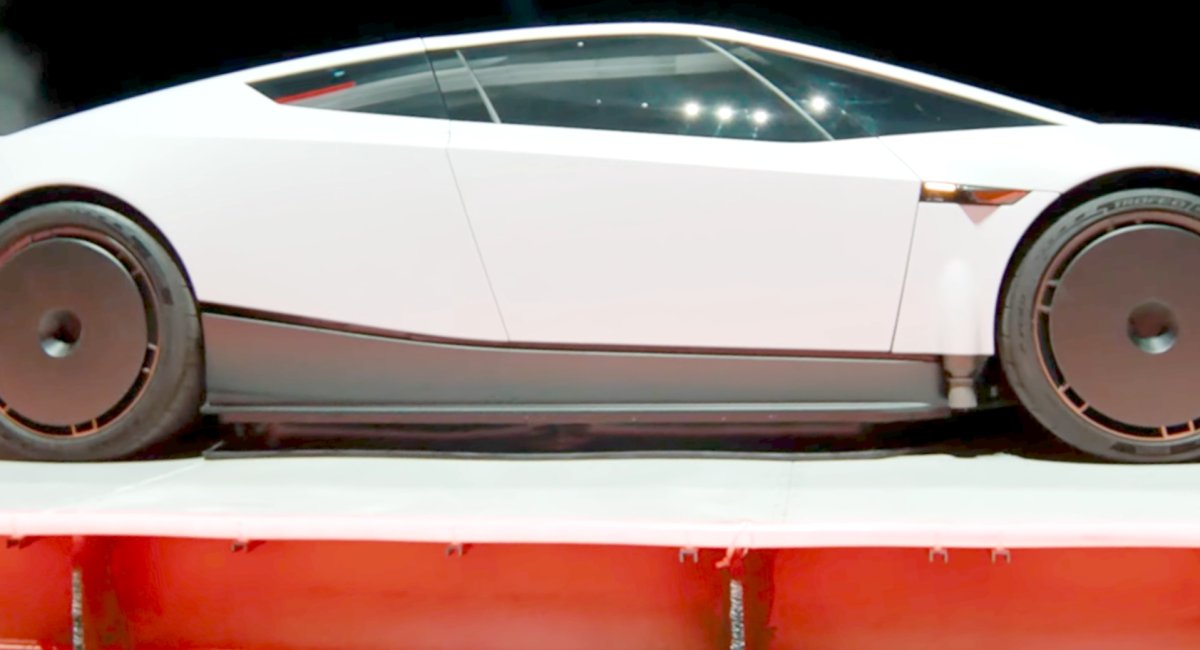
No Frunk: Front End Is an Active Wing
The front compartment is devoted to active aerodynamics rather than storage. Elements include wings within the air intakes, a hood-top vent, and bargeboards that can extend. Lars Moravy describes the entire front section as one large wing, with components appearing and disappearing as needed.
Trunk Space on Select Trims
The standard and Performance trims omit the Thrust model’s 200-liter Carbon Overwrapped Pressure Vessel, freeing roughly 300 to 400 liters behind the seats—enough for a set of golf clubs or several shopping bags. For comparison, a Model Y trunk provides a little over 800 liters without the rear seats folded.
Plug-In Windshield Wiper
The Roadster does not include a permanent wiper. Instead, a small panel is removed to plug in a quick-release wiper when needed, which can then be detached for optimal track aerodynamics.
Charge Port Behind the Wing
The charge port door is hidden. The port resides behind the active rear wing, which deploys to expose it, avoiding extra body cut lines.
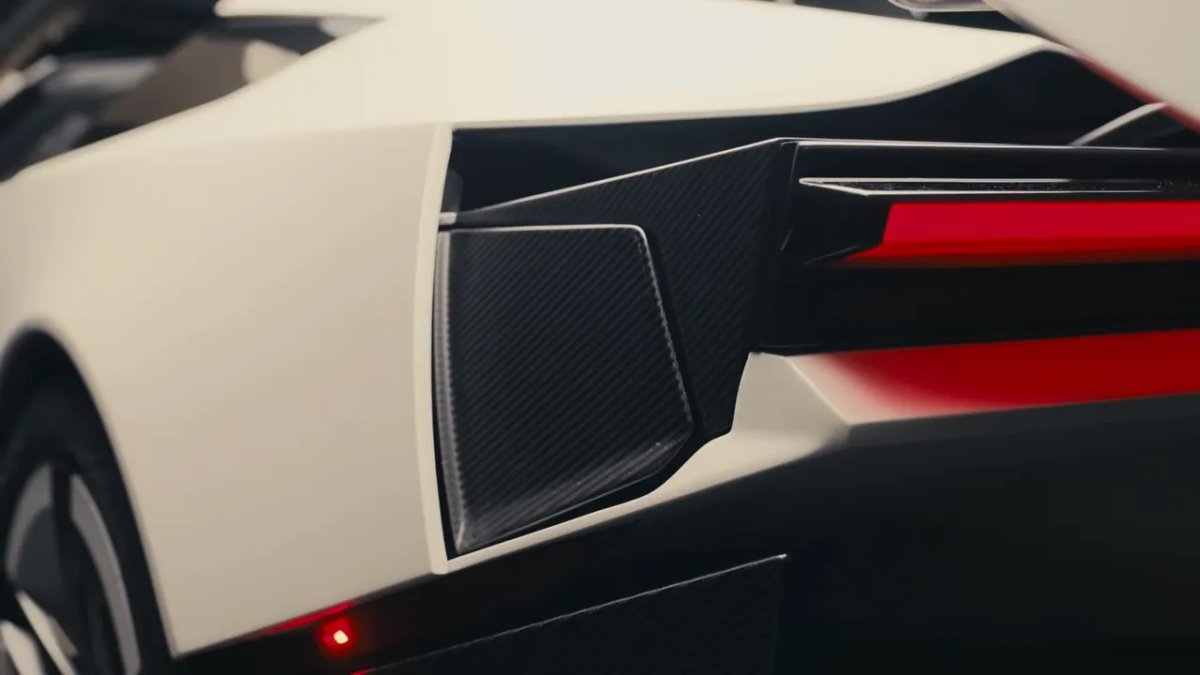
Tesla’s Fastest-Charging Vehicle Yet
Tesla says the Roadster can charge from 15% to 85% in about 10 minutes, drawing close to a megawatt from the newest Superchargers.
Removable Roof Panels
Two removable roof panels let the Roadster convert to open-top driving.
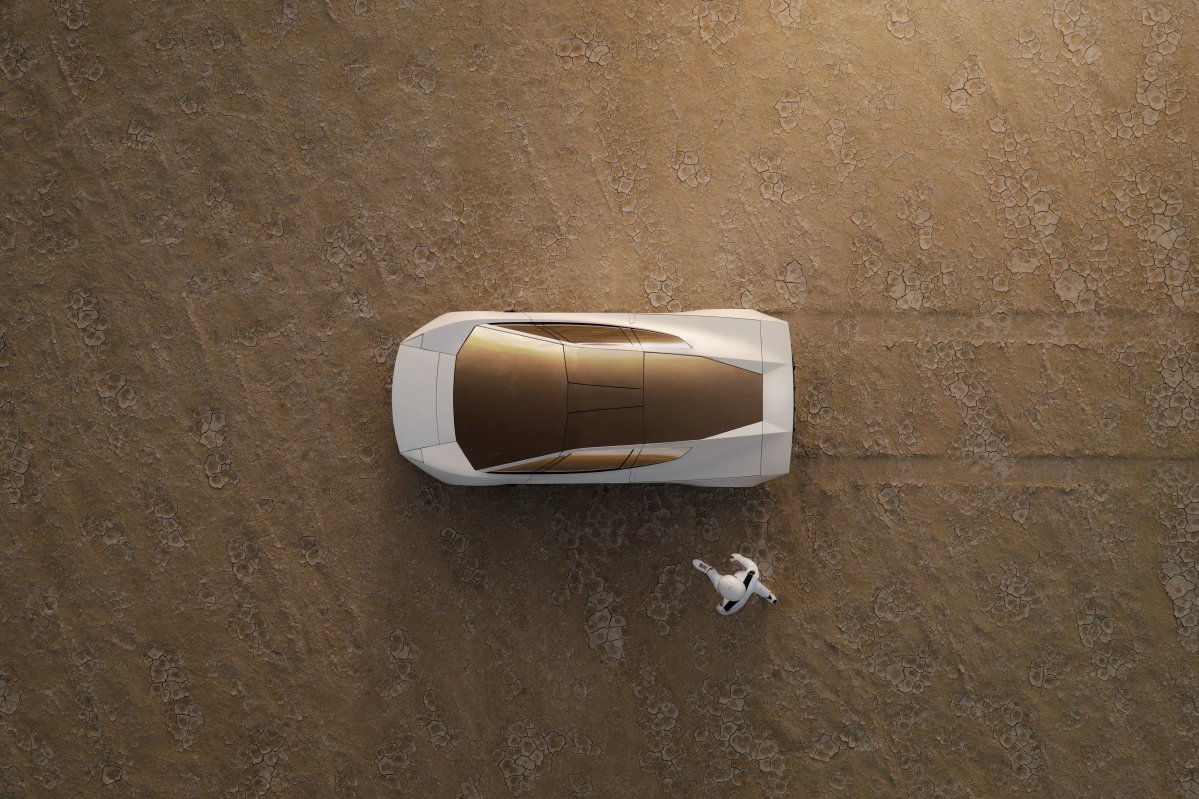
Fixed Seats, Adjustable Pedals
To reduce weight, the seats are fixed in place; only the seatbacks adjust. Instead of sliding the seat forward, the pedals move toward the driver.
Production Vehicles Will Have Mirrors
Prototypes shown so far lacked side mirrors, but von Holzhausen said U.S.-market cars will include them.
Limited FSD Capability
The Roadster includes the cameras and hardware needed for FSD, but it will receive only a limited version. Tesla has not specified which features will be excluded.
With production slated to begin in 2028, some details—particularly for the standard trim—may still change as Tesla approaches manufacturing.


Share:
NACS Won, But Your Tesla Still Needs a CCS Adapter (2026)
U.S. Model Y L Deliveries Slip to January–March 2027 for Many