
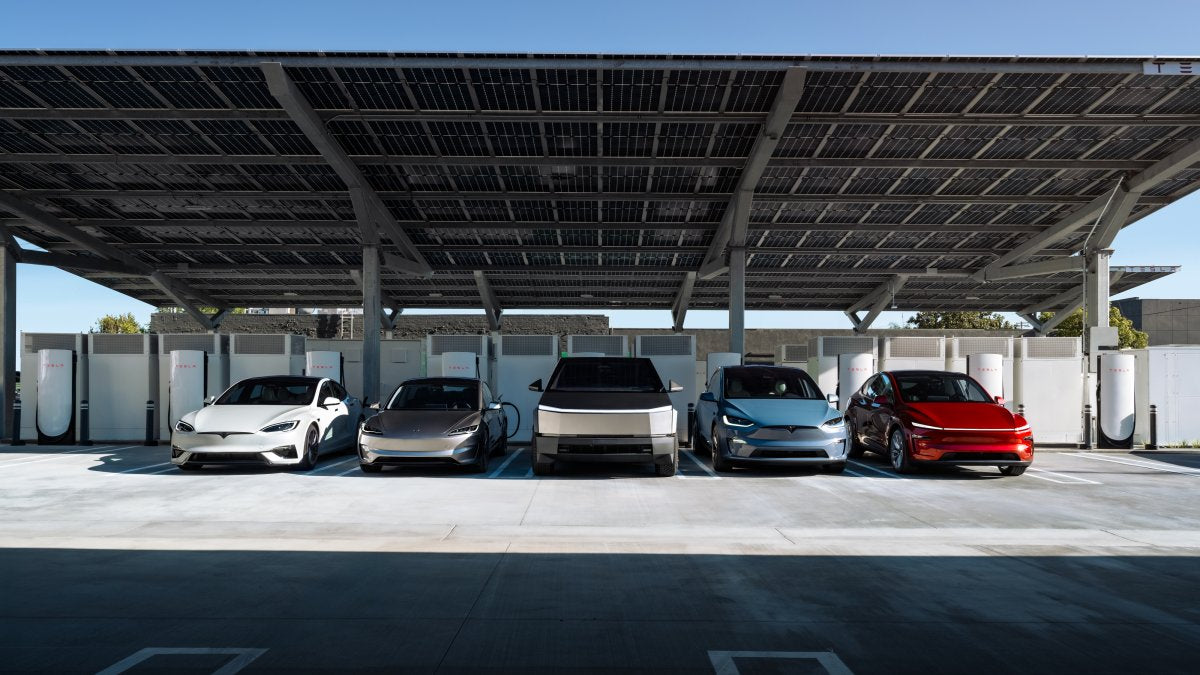

2025 was a landmark year for Tesla, marked by numerous hardware refinements, software developments, and significant steps toward widespread vehicle autonomy.
Throughout the year Tesla released a wide range of updates, from safety-focused additions like Child Left Behind Detection to playful features such as Tron mode. The company also expanded Full Self-Driving (FSD) availability to additional regions, maintained an aggressive cadence of feature releases, and advanced the foundation for a Robotaxi Network.
Below is a quarter-by-quarter summary of the main launches and changes that defined Tesla’s 2025.
Q1 2025 — January, February, March

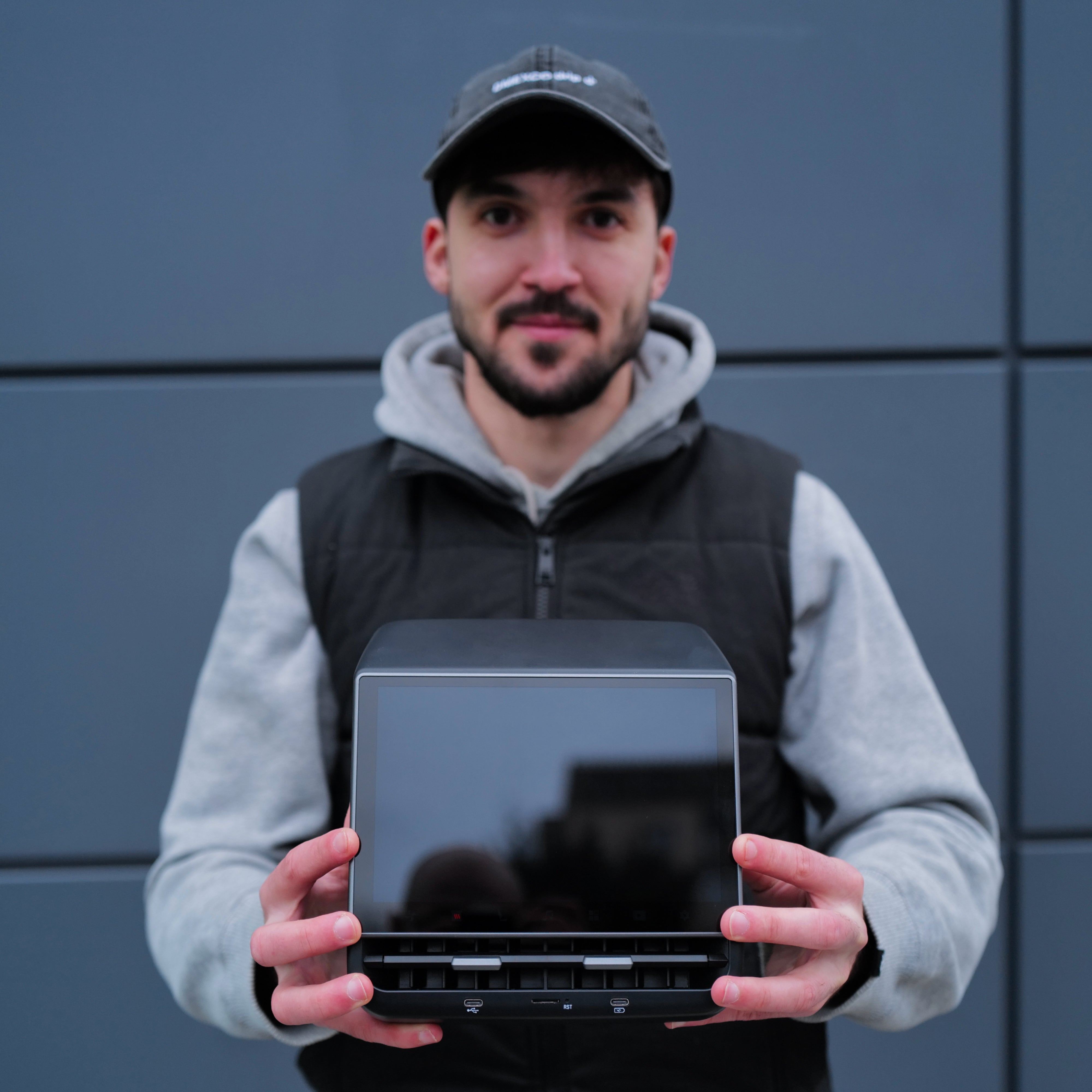
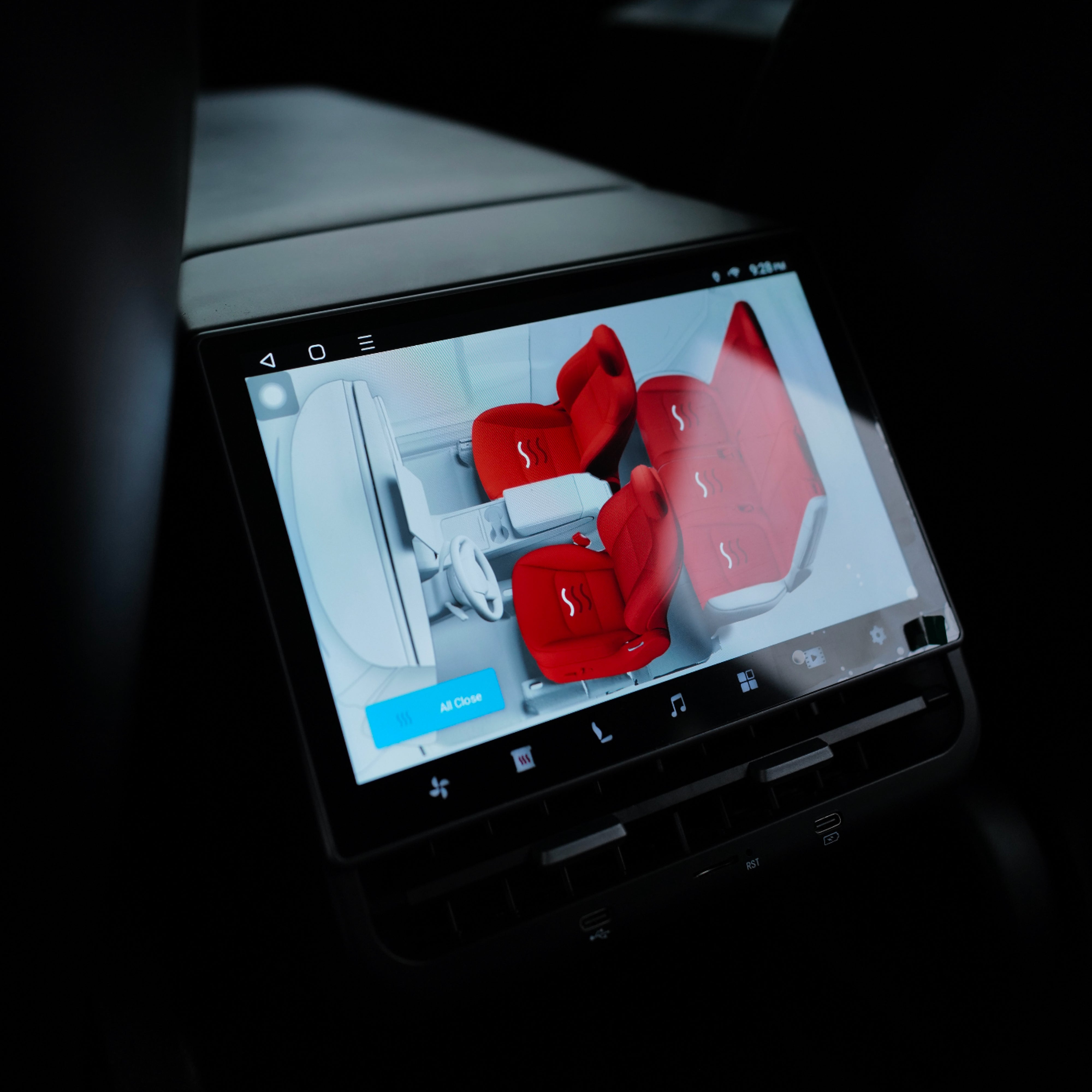
The refreshed Model Y’s introduction in North America and Europe anchored Q1. The update aligned the Model Y’s aesthetics with the refreshed Model 3 and consolidated global manufacturing, while adding features such as acoustic glass, ventilated seats, a rear screen, and efficiency and safety improvements tied to revised casting techniques.
FSD also expanded geographically during Q1, with launches in Mexico and China. The introduction in China represented a major step, addressing complex data-sovereignty requirements and demonstrating FSD’s applicability beyond North America.
Elon Musk committed that owners of vehicles with Hardware 3 (HW3) who had purchased FSD outright would be offered a free hardware upgrade if Tesla could not deliver Unsupervised FSD on the older hardware stack. Additionally, Android users finally received Hands-Free Trunk Support via Ultra-wideband (UWB), arriving roughly a year after it debuted on Apple devices, and In-Cabin Radar began rolling out to enhance occupancy detection and classification.
Q2 2025 — April, May, June

Q2 shifted focus toward Tesla’s longer-term vision. The Robotaxi Network went live in Austin, initially operating within a limited geofence using specially modified Model Y vehicles and quickly expanding both area and ridership. The pilot moved the concept of an autonomous taxi network from experimental to operational.
The 2025 Spring Update rolled out fleetwide, introducing features such as B-Pillar dashcam recording, an Avoid Highways option, and Child Left Behind Detection. A subsequent point release reintroduced 12V accessory power as a user-toggleable option.
Tesla also revealed lightly refreshed Model S and Model X variants and launched a Luxe Package for those models, updating interior comfort and trim to better match the company’s more recently refreshed vehicles.
Q3 2025 — July, August, September

In Q3 Tesla unveiled several major software initiatives and previews of future hardware. Development began on a new visualization system powered by Unreal Engine, with initial integrations in the Model S and Model X; a wider rollout was expected to follow in 2026.
Tesla introduced Low Power Mode to conserve energy, and a new long-wheelbase, six-seat Model Y L was launched in China, offering a true 6-seat layout with an extended wheelbase; European type approval was later received, raising the possibility of wider availability.
The company previewed FSD V14 and the upcoming AI5 hardware, promising significant improvements in in-vehicle inference and compute. Tesla also committed to a V14 “Lite” variant for Hardware 3 vehicles planned for mid-2026, allowing the firm to refine V14 on AI4 hardware before adapting key elements for older systems.
FSD expanded to Australia and New Zealand in Q3. Later in the quarter, FSD V14 shipped more broadly, delivering new capabilities such as Sloth and Mad Max driving profiles, Parking at Destination, and a refreshed UI. The Summer Update added in-vehicle Grok, a versatile assistant offering modes from simple help to language tutoring and storytelling, plus new visualization assets to better surface what the car perceives.
In Energy, Tesla hosted the Las Megas event to unveil Megapack 3 and Megablock, and began deploying higher-power charging hardware, including 500 kW chargers targeted at the Cybertruck.
Q3 also included a high-profile executive compensation proposal linked to ambitious company milestones; shareholders approved the package in Q4.
Q4 2025 — October, November, December
The final quarter emphasized preparing Tesla’s stack for large-scale deployment. Tesla pursued chip-foundry agreements to secure production for the AI5 chips that will power future FSD compute, while continuing work on next-generation AI6 training infrastructure.
The 2025 Fall Update introduced 3D buildings, Tron Mode, and new charging visualizations. The 2025 Holiday Update added Grok Navigation Commands, an updated Santa Mode, Dashcam FSD overlays, Supercharger site maps, and other enhancements.
Tesla also outlined plans to bring FSD to Europe, working through UNECE regulatory requirements and extensive validation. While a full commercial launch was targeted for early 2026, Tesla began offering FSD demo drives in several European countries with employee-supervised experiences.
Looking Ahead to 2026
By the end of 2025 Tesla had unified much of its hardware and accelerated its software rollout worldwide, while investing heavily in compute and training infrastructure. If 2025 proved that the ecosystem functions, 2026 was positioned to be the year the company moves to scale that system globally.



Share:
Tesla App Update 4.52.0 — Smart Breaker Support and Digital Wallet Key Support
Tesla Roll Outs FSD V14.2.2.2: A Look at the Improvements