

We recently reviewed Tesla's realistic roadmap for 2026 and what is likely to happen. This piece takes a different tack: a wishlist of features and products we'd love to see — the fun, hopeful items that may not be guaranteed.
While many discussions center on margins and regulation for robotaxis, owners often imagine simpler, practical improvements: a stitched bird's-eye parking camera comparable to legacy systems, reliable automatic wipers, and a Roadster that actually reaches customers rather than remaining a concept on display.
Below is a comprehensive wishlist for 2026.
The Forever FSD Transfer
One of the most-requested changes is for Full Self-Driving (FSD) to become a transferable license tied to an owner’s account rather than to a vehicle VIN. Today, FSD transfers are used sporadically as a sales incentive during quarter-end pushes. The ideal is a true software license: buy FSD once and retain it across vehicles associated with your account.
A Real Affordable Vehicle
The Model 2/Q was envisioned as a $25,000 compact hatchback aimed at Europe and Asia, acting as Tesla’s true entry-level electric car. Although Tesla has increased affordability with stripped-down versions of the Model 3 and Model Y, a smaller, lower-cost hatchback with a reduced footprint remains a significant gap in the lineup.
The ask here is not for an immediate robotaxi but for a straightforward, affordable EV available today, either driven manually or with FSD when appropriate.
A Family Vehicle
At the other end of the spectrum is space for a true family vehicle: a large 6/7-seat SUV. The Model X and Model Y L are bigger than other Tesla options, but they can fall short on comfort and usable passenger space when filled to capacity. A proper large-format family SUV — often referred to as a CyberSUV — would give larger families the safety, comfort, autonomy, and storage they need without resorting to a second vehicle for trips.
There remains some hope: Tesla leadership has suggested a wait-and-see approach to larger SUV concepts.
The Roadster… Delivered
Nearly a decade has passed since the Roadster was announced. Owners and reservation holders expect customer deliveries rather than additional reveals, demos, or production-start targets that slip. Many Founder-Series Roadsters and other buyers have already placed substantial deposits — including $40,000 in some cases — and actual deliveries would finally fulfill that long-standing promise.
FSD Computer Retrofits for HW3
As FSD evolves, cars equipped with Hardware 3 increasingly show their age: lower-resolution cameras and slower inference speeds limit feature parity with newer vehicles. While replacing the full computer can be costly, a paid upgrade path to newer cameras and compute (AI4 or future AI5-class hardware) would help keep millions of cars useful for longer, reduce e-waste, and preserve used-vehicle value.
In the near term, FSD V14 Lite is expected to reach Hardware 3 vehicles within the next 2–5 months.
MCU 4
The infotainment computer is central to the Tesla experience. Although current Ryzen-based MCUs are capable, technology advances quickly. An MCU4 would bring more processing power, faster graphics, and improved multitasking to keep the in-car experience smooth and responsive for years to come.
A True 360° View
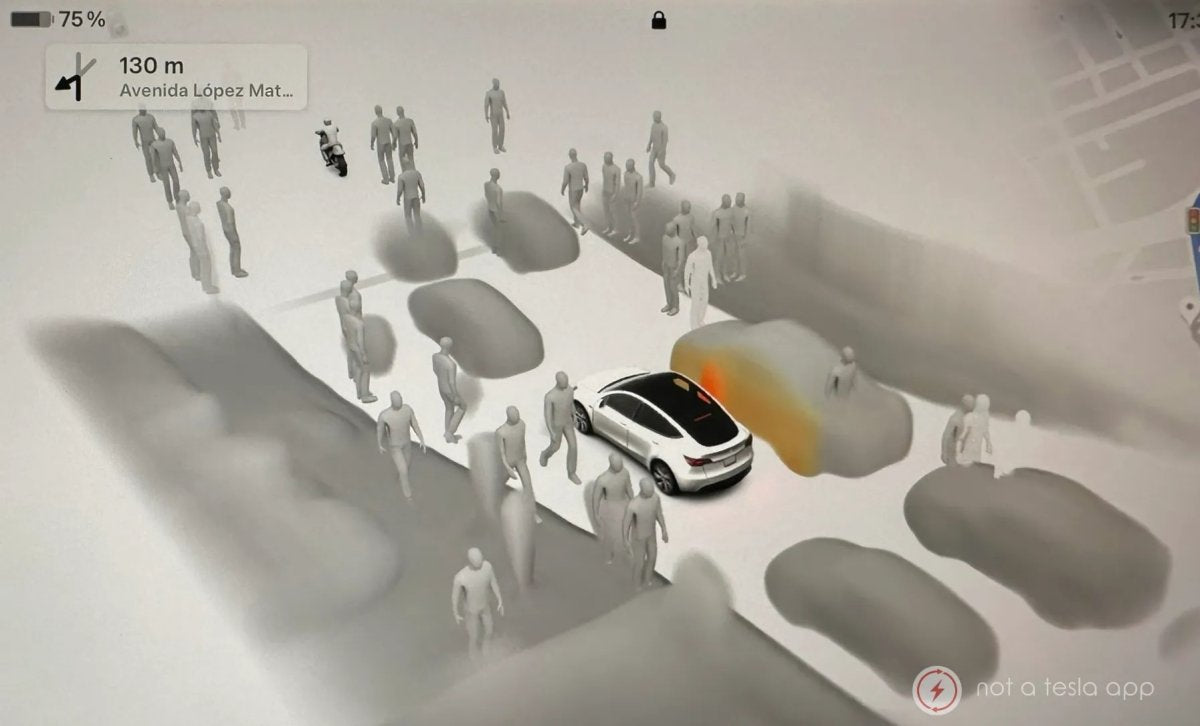
Tesla’s vision-based approach is impressive, yet parking in tight spaces can still be challenging compared with some legacy systems. With front bumper cameras now common across the lineup, a stitched, true 360° bird’s-eye parking view would be a highly practical improvement while full autonomy continues to be developed.
V2H / V2L For All
At present, true vehicle-to-home (V2H) Powershare is available only on the Cybertruck, while Model Y L and Model Y Performance have some vehicle-to-load (V2L) capability via an adapter. A parked Model Y has the energy capacity roughly equivalent to six Powerwalls, so extending robust V2H and V2L support across the lineup would let owners power homes, tools, or appliances directly from their vehicles.
First-Party Starlink Integration
Reliable connectivity matters for connected cars. Native satellite integration — for example, first-party Starlink support or a premium connectivity tier with hotspot capabilities — would help keep vehicles online in remote areas, national parks, and urban dead zones.
A Tesla App Store
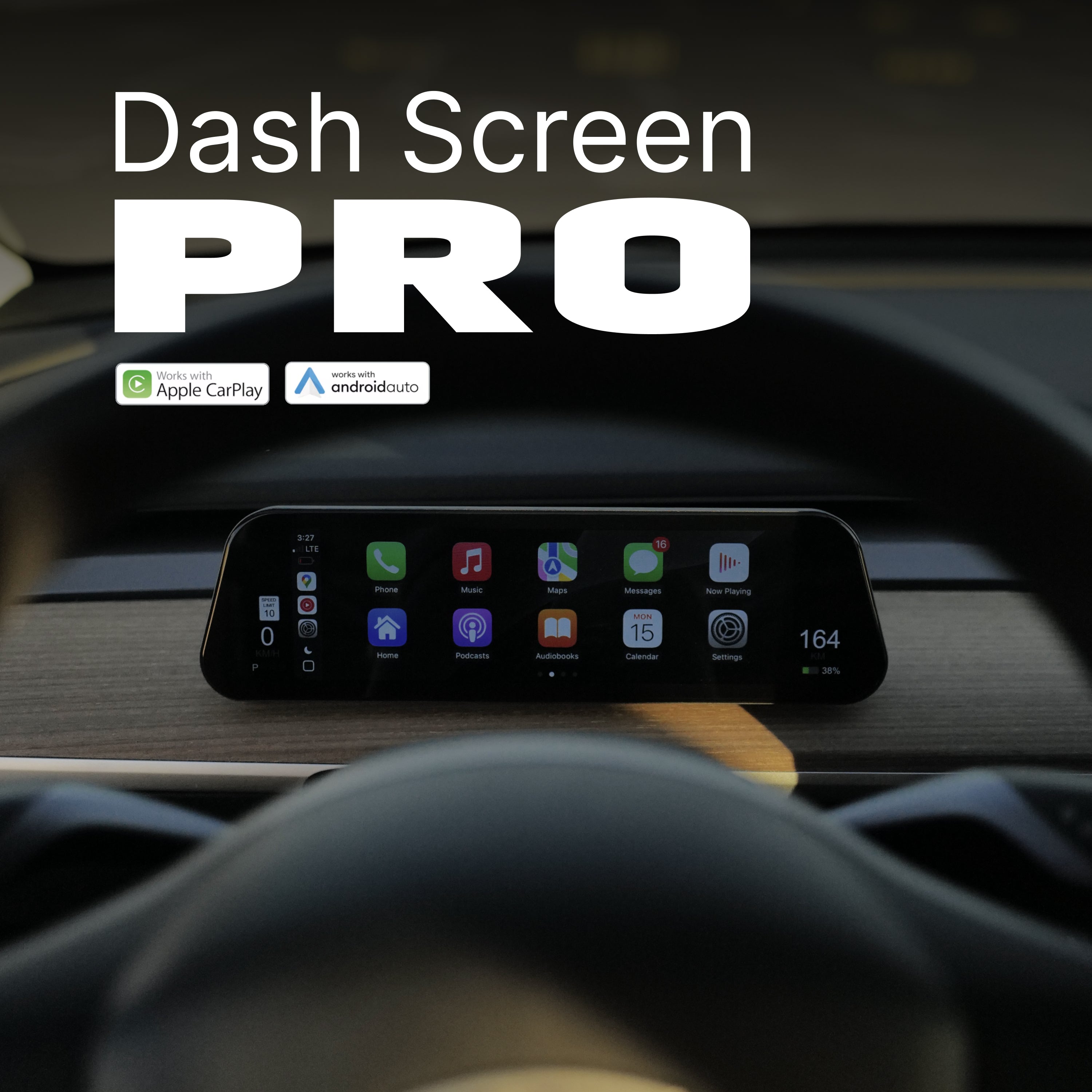
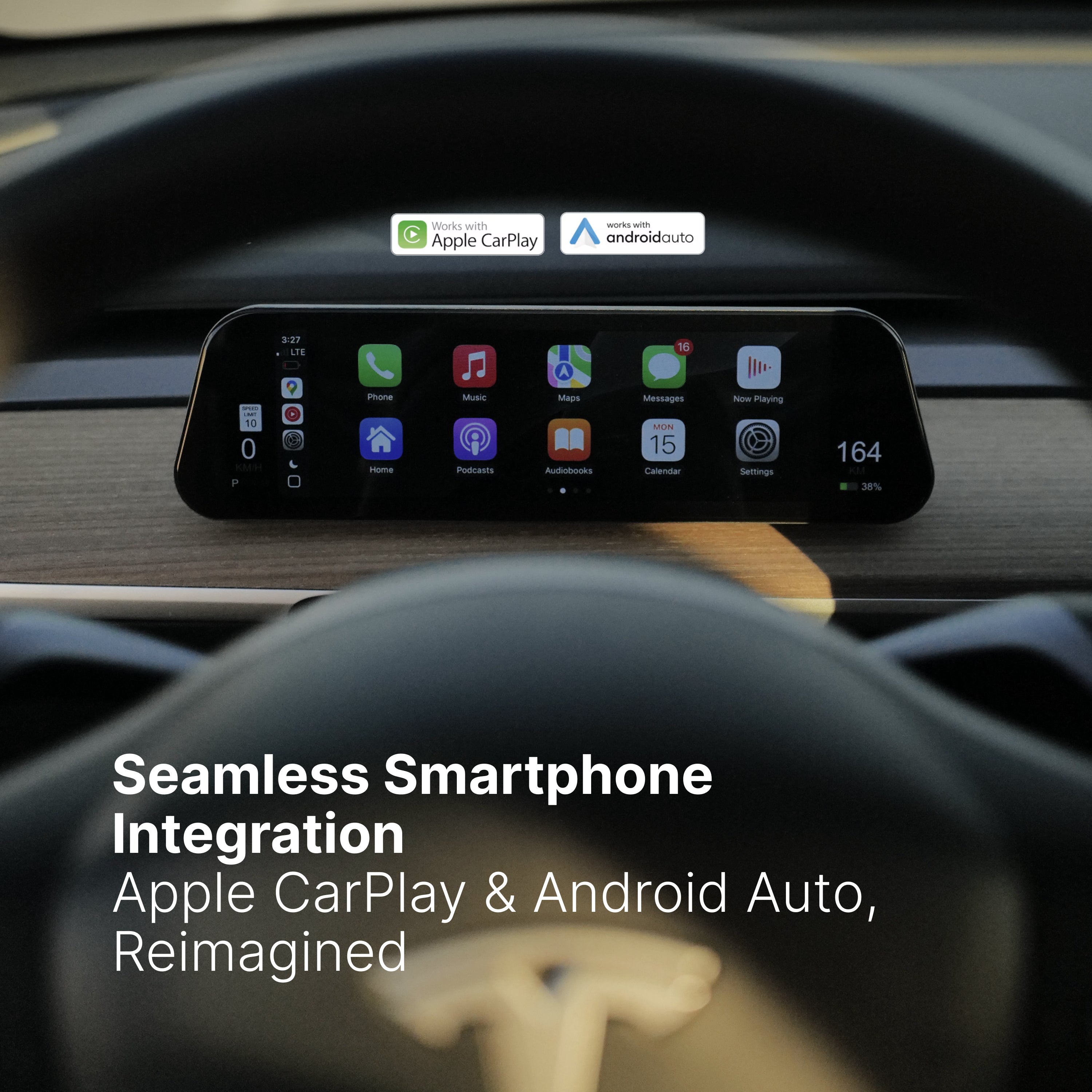
Because Apple CarPlay and Android Auto are not part of the native experience, opening a proper developer ecosystem would be valuable. A dedicated app store would allow native apps like Waze, PlugShare, richer weather apps, and more, removing the need for phone mirroring when in-car apps are robust and well-supported.
More Tesla Theater Functionality
The Tesla Theater app is useful, but it remains limited to a few core streaming services. A browser-based theater mode supporting more video players and codecs, plus compatibility with user-hosted servers (such as Plex) or casting from phones, would greatly improve in-car media flexibility.
Steam Support
Steam support was once a marquee feature for the Model S and Model X, promising near-console gaming on the go before it was quietly removed. With powerful Ryzen chips available in these cars, there’s no technical reason certain Steam titles couldn’t be playable during Supercharging stops — a return of selective Steam support would restore a popular capability.
Arrival Energy In-App
Currently, estimated battery-at-arrival and the ability to adjust arrival energy require being in the car with a destination entered. Making arrival energy settings available in the mobile app when planning navigation would make trip planning smoother, avoiding the need to get into the vehicle for final adjustments.
Wraps, Lightshows, Lock Sounds — In-App
Adding custom vehicle wraps, license plates, lightshows, or custom lock sounds often requires removing the Dashcam USB and editing files on a computer. Tesla recently added the ability to import images from the in-car Photo Booth app introduced with the 2025 Holiday Update; extending that convenience so these assets can be managed from the phone app would remove unnecessary friction.
Return FSD Speed Control
With FSD V14 the vehicle adheres closely to its internal speed profile, which can lead to frustratingly slow or unexpectedly fast behavior when speed signs are misread or missed. Owners want the return of a scroll-wheel speed offset or another quick way to correct an incorrectly detected limit — for example, tapping the speed sign on-screen or instructing the system to accept a different limit — so drivers retain practical control while autonomy matures.
Tesla Home Heatpump
Tesla has made significant advances in vehicle heat pump design — including the Octovalve and efficient thermal management systems. Applying that expertise to a Tesla-branded home HVAC solution that integrates with the vehicle, Powerwall, and solar systems could modernize a slow-moving market and offer a tightly integrated home energy experience.


Share:
Tesla’s Lithium Refinery Enters Production — Eliminates Hazardous Byproducts and Reduces Costs
Tesla Owner Reaches Almost 13,000 Miles of Intervention-Free FSD Driving