

Tesla Taps Intel 14A Foundry for Unnamed Chip; AI6 a Candidate
Tesla has added Intel as a new silicon partner, with Intel saying Tesla will be a foundry customer for its upcoming 14A manufacturing process. Neither company has identified which chip Intel will produce.
Simply Wall St’s Bailey Pemberton reported the development alongside broader Intel updates. Intel noted progress on output from its 18A node and announced a $20 billion equity raise to fund new factories for its foundry expansion.
A Big Get for Intel Foundry
Pemberton writes that Tesla gives Intel “a high profile external client willing to bet on its leading edge roadmap.” Intel has been seeking exactly this type of validation as it works to prove it can rival TSMC and Samsung on cutting-edge chips.
The companies have collaborated before. Earlier this year, Tesla and SpaceX partnered with Intel on the Terafab project, a large chip-manufacturing initiative Tesla envisions for in-house production. The 14A arrangement appears separate, with Intel building chips in its own fabs.
So, What Might the Chip Be?
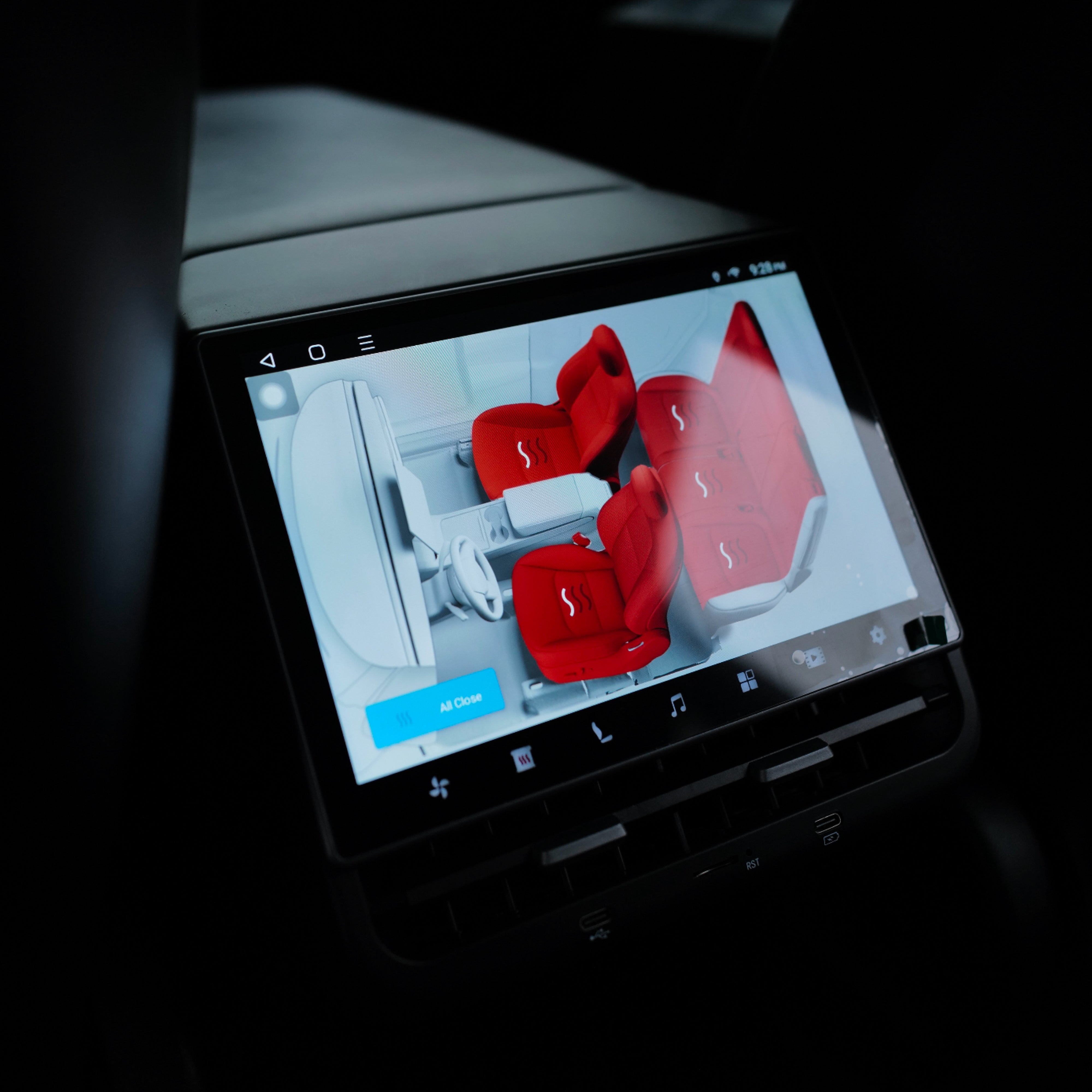
One possibility is a custom infotainment processor, although that seems unlikely. Tesla typically sources off-the-shelf parts for its Media Control Unit: the first generation used an Nvidia Tegra, MCU 2 used an Intel Atom processor, and MCU 3 moved to AMD Ryzen. An MCU 4 based on a custom Intel chip is not impossible, but it is a long shot.
A more plausible explanation is added capacity for Tesla’s AI chips. AI5 already follows a dual-foundry approach with Samsung and TSMC. Samsung recently started trial production of AI5 at its Texas fab, with mass production expected in 2027. A single AI5 delivers five times the compute of two current-gen AI4 chips combined. Tesla plans to deploy it in Optimus robots and AI training clusters before it eventually ships in vehicles. Given that demand, lining up an additional supplier makes sense.
Even so, the timing suggests something beyond AI5. Intel positions 14A as a competitor to TSMC’s 1.4nm-class A14 process, with availability targeted around 2028. AI5 is built on Samsung’s 2nm and TSMC’s 3nm nodes, implying that whatever Intel makes could be more advanced. That places AI6 among the candidates, even though Samsung already holds a $16 billion AI6 contract. It could also be a chip that Tesla has not yet announced.
Probably Not AI4+
One product is almost certainly excluded: the upgraded AI4+ (or AI4.5) computer. Tesla intends to offer it to HW3 owners as a path to unsupervised autonomy, and those customers will need it well before 14A is ready.
For now, Tesla and Intel have not provided pricing or timelines. If 14A remains on track for 2028, more details about the mystery chip should emerge, potentially with Musk’s next AI chip roadmap update.




Share:
2028 Tesla Roadster Thrust Prototype Shown at LA’s Petersen Oct 24–27
Tesla App 4.62.3: iPad, iPhone Duo, Foldables, Location, ID Workflow